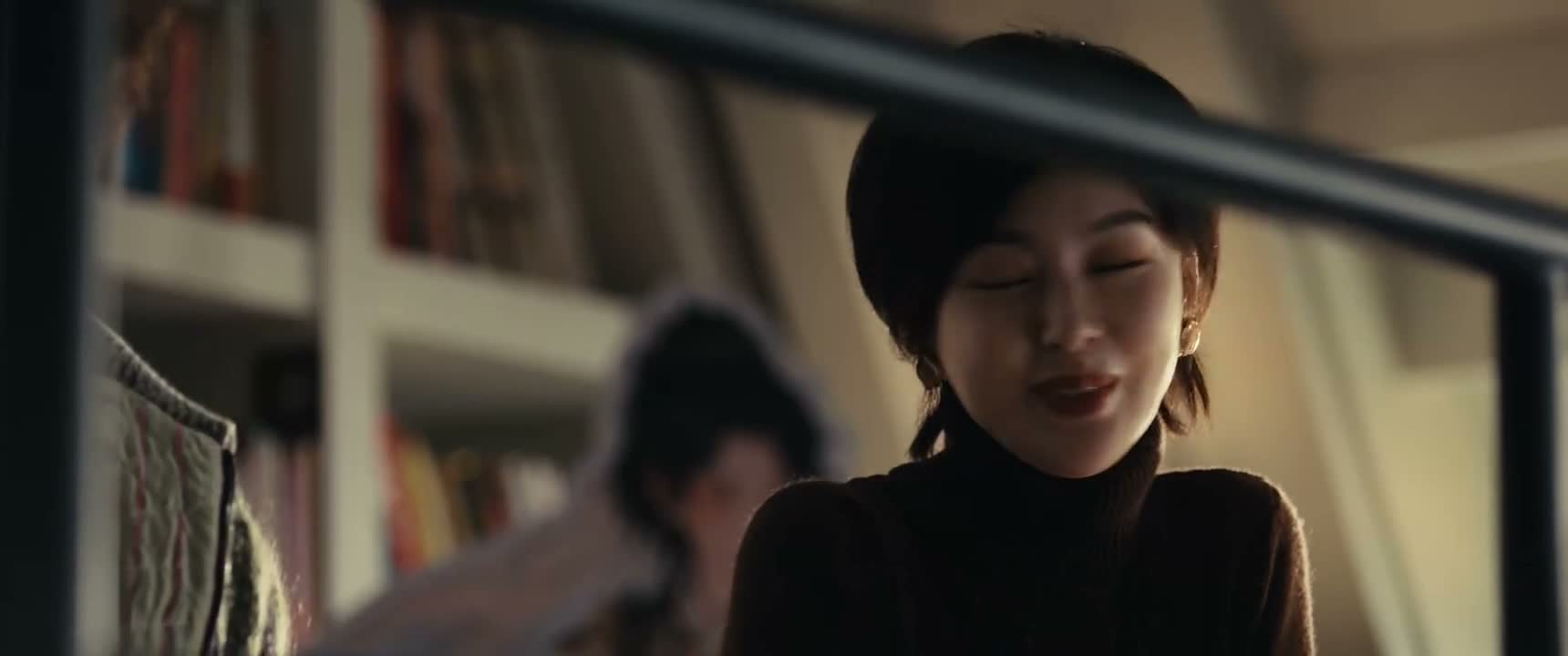
《Veil of Shadows》 S1·E24 (35:15)
HSK 3
- shén me chī guò le ? nǐ kàn nǐ duō shòu - wǒ chī guò le
- 什么吃过了?你看你多瘦 - 我吃过了
“I don't care. - You're too thin. - I've eaten.”
《Veil of Shadows》
S1·E24
TIMECODE: 35:15
·
1080P MASTER AUDIO
THE DIALOGUE REEL
[-1] PREVIOUS TURN
wǒ chī guò le gē
我吃过了 哥
“I've already eaten, Wuhuo.”
- shén me chī guò le ? nǐ kàn nǐ duō shòu - wǒ chī guò le
CURRENT FOCUS
- 什么 吃过了 ? 你看你 多瘦 - 我 吃过了
“I don't care. - You're too thin. - I've eaten.”
Subtitles synced to millisecond timecode
Browse Show Clips →
Scene:
Dining & Food
Function:
SHOWING CARE
Tone:
NAGGING
Emotion:
CARING
WHAT THEY REALLY MEAN (PRAGMATIC SUBTEXT)
“I don't care if you said you ate, you need more nourishment right now.”
💡 Cultural Insight: Nourishment as Familial Love
In Chinese family culture, urging loved ones to eat more and commenting on them being 'too thin' is the quintessential expression of affection and protective duty.
INTENT TAGS:
#caring
#insisting
#nagging
#declining
🧩
2 CHUNKS · 1 PARTICLES
LEARNING CHUNKS & PARTICLES
你看你
SPOKEN CHUNK
look at you
Often used colloquially by elders or close relatives to initiate mild scolding or affectionate concern.
吃过了
SPOKEN CHUNK
have already eaten
A standard conversational response regarding meals, often repeated politely to decline food offers.
Modal Particle「了」 (le)
CHANGE OF STATE
Marks completed aspect, emphasizing the change of state that food was already consumed.
🏮
3 EXPR · 0 GRAMMAR
VOCABULARY & EXPRESSIONS
COLLOQUIAL EXPRESSIONS:
CROSS-CINEMA CORPUS BOARD · PARALLEL SCENES
EXPLORE BY SEMANTIC SIMILARITY
Parallel Spoken Cinema Scenes (语义近邻切片)

《Veil of Shadows》 S1·E24 (35:15) · Authentic Cinema Dialogue Corpus