哪里担得起聪慧二字
“How can I be called clever?”
THE DIALOGUE REEL
“Those few days, I was so anxious I couldn't eat or sleep.”
哪里 担得起 聪慧二字
“How can I be called clever?”
殿下的腿疾耽误了这么多年 我提过几次
“Your Highness's leg condition has been neglected for years. I suggested it several times, but you wouldn't let me try.”
“You give me far too much credit; I was merely acting out of necessity, not cunning.”
In traditional Chinese culture, openly accepting compliments—especially regarding cunning or intelligence—can be seen as arrogant or dangerous in political environments.
LEARNING CHUNKS & PARTICLES
how could I possibly bear/deserve
A classical, polite rhetorical phrase used to deflect praise or titles deemed too grand.
VOCABULARY & EXPRESSIONS
Parallel Spoken Cinema Scenes (语义近邻切片)
“You really are a smart one.”

“She's quite clever. The more you talk, the more likely you'll slip up.”
“Smart as I am, I still can't find you.”
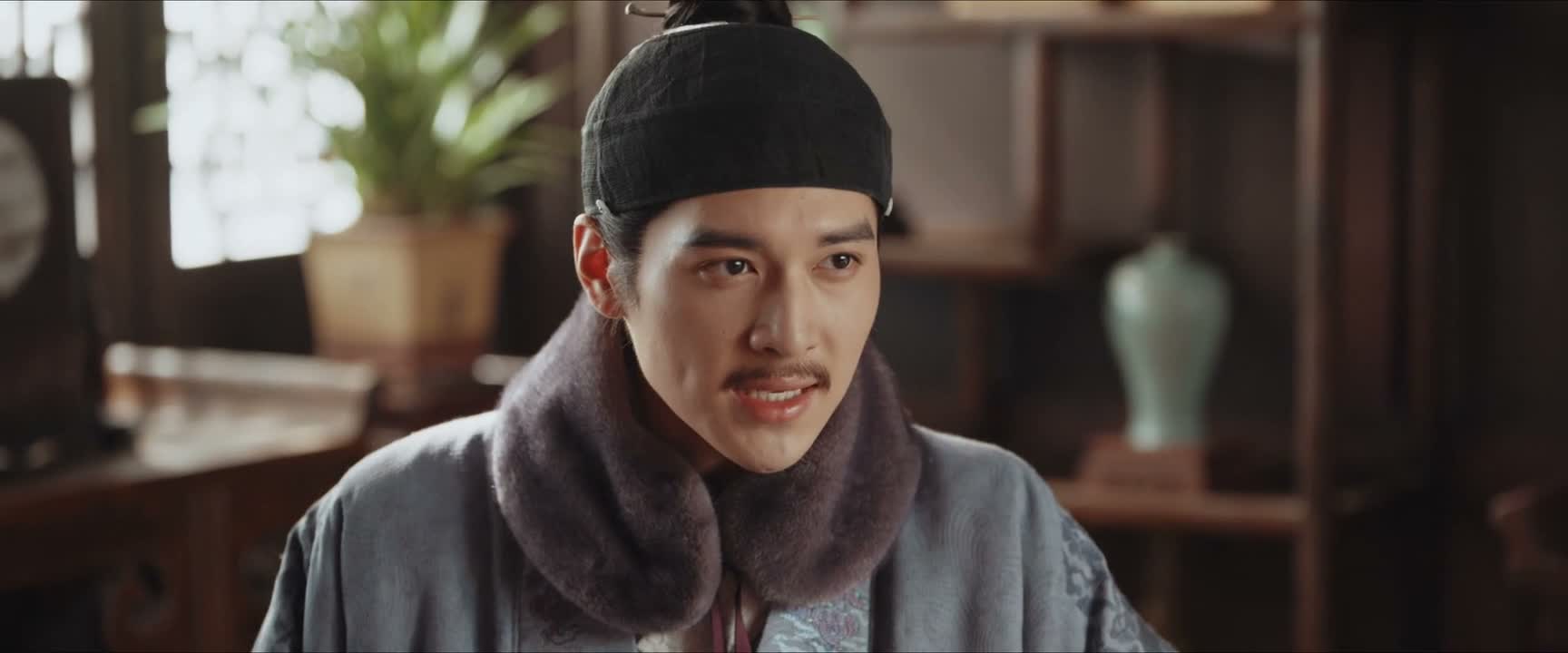
“what it means to be too clever”