MC
MandarinClips Cinema Corpus
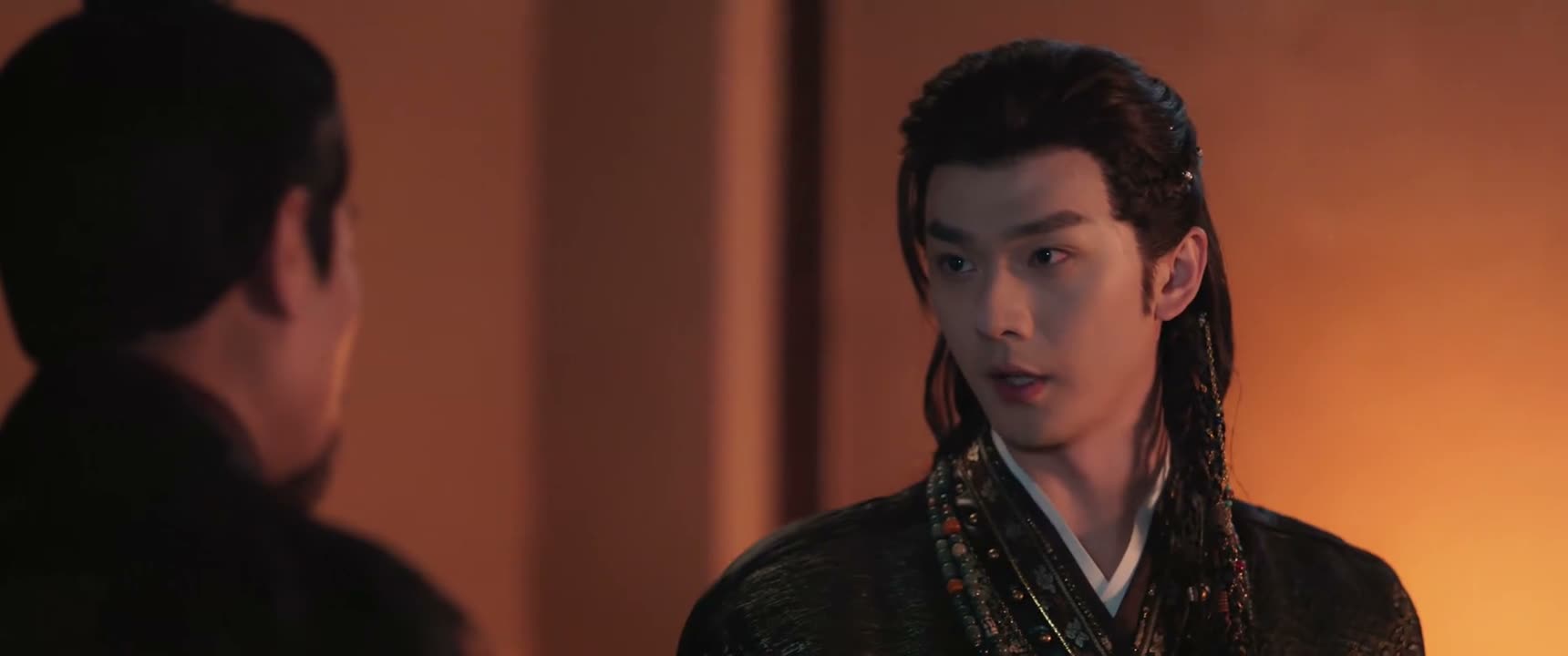
《The First Jasmine》 S1·E13 (24:56) HSK 2
nǐ wèi shén me gēn zì jǐ xià qí a

你为什么跟自己下棋啊

“With so many people on Lishan Mountain, why did you play chess with yourself?”

《The First Jasmine》 S1·E13
TIMECODE: 24:56 · 1080P MASTER AUDIO

THE DIALOGUE REEL

1+1+1 SPOKEN CONTINUITY
[-1] PREVIOUS TURN lí shān shàng zhè me duō rén

离山上这么多人

“With so many people on Lishan Mountain, why did you play chess with yourself?”

nǐ wèi shén me gēn zì jǐ xià qí a CURRENT FOCUS

你 为什么 跟 自己 下棋 啊

“With so many people on Lishan Mountain, why did you play chess with yourself?”

[+1] FOLLOW-UP TURN tā men xián wǒ shuǐ píng chà bù yuàn yǔ wǒ xià

“They thought my skills were poor and wouldn't play with me.”

Subtitles synced to millisecond timecode Browse Show Clips →
Scene: Daily Life
Function: DEMANDING EXPLANATION
Tone: INQUISITIVE
Emotion: CURIOSITY
WHAT THEY REALLY MEAN (PRAGMATIC SUBTEXT)

Direct spoken expression in this communicative setting.

💡 Cultural Insight: Weiqi Solitude

In traditional culture, playing board games alone often symbolizes profound loneliness, deep contemplation, or an eccentric pursuit of self-improvement beyond the common crowd.

INTENT TAGS: #inquiry #curiosity #observation #small_talk
🧩

LEARNING CHUNKS & PARTICLES

2 CHUNKS · 1 PARTICLES
跟自己下棋 SPOKEN CHUNK

play chess against oneself

Used to describe playing a two-player board game alone, often suggesting eccentricity or solitude.

为什么……啊 SPOKEN CHUNK

why...

A standard casual inquiry pattern where the ending particle softens the interrogative tone into conversational curiosity.

Modal Particle「啊」 (a) CHANGE OF STATE

Softens the direct question, making it sound curious and warm rather than accusatory.
🏮

VOCABULARY & EXPRESSIONS

2 EXPR · 1 GRAMMAR
GRAMMAR BLUEPRINTS:
CROSS-CINEMA CORPUS BOARD · PARALLEL SCENES

Parallel Spoken Cinema Scenes (语义近邻切片)

EXPLORE BY SEMANTIC SIMILARITY
《The First Jasmine》 S1·E13 (24:56) · Authentic Cinema Dialogue Corpus