MC
MandarinClips Cinema Corpus
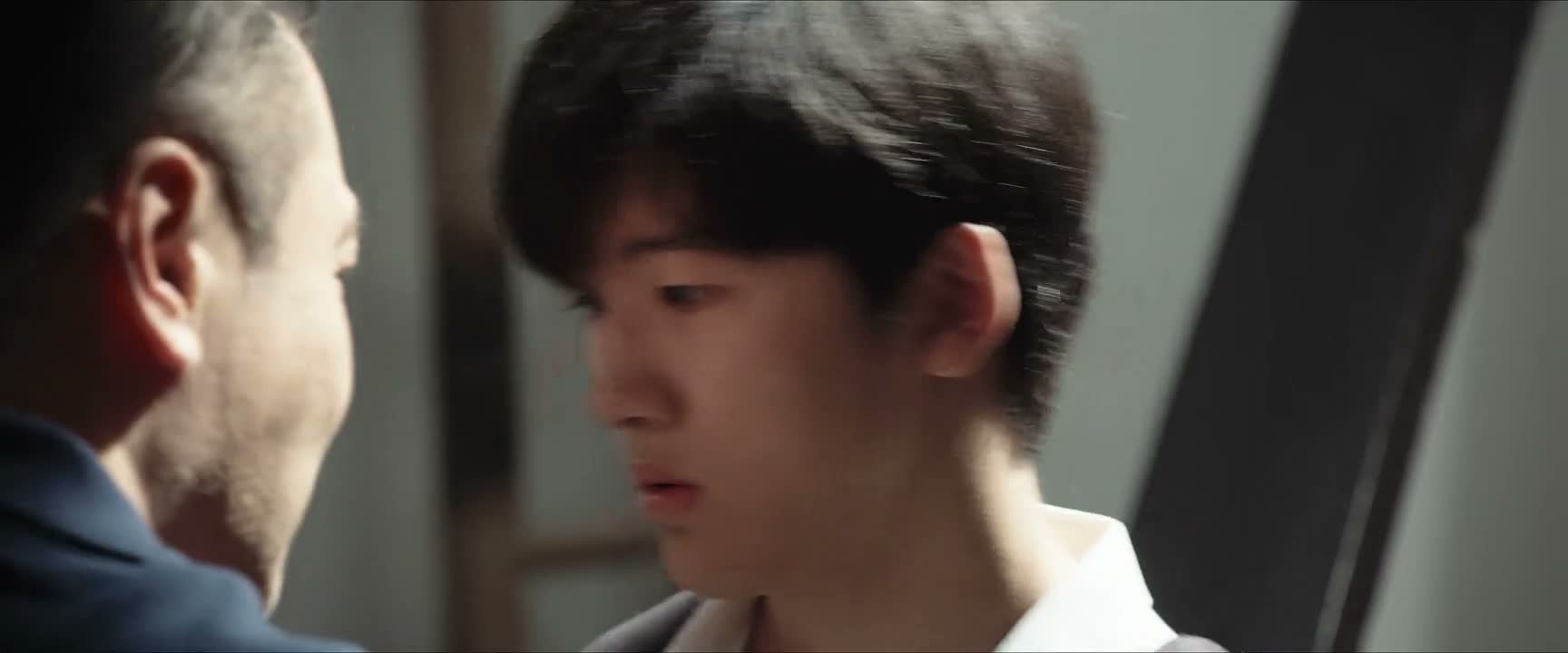
《Road to Success》 S1·E24 (04:55) HSK 7
kàn lái nǐ men zhēn shì bù tài lèi a chē dào le shàng chē ba

看来你们真是不太累啊 车到了 上车吧

“Looks like you guys really aren't too tired. The bus is here. Get on.”

《Road to Success》 S1·E24
TIMECODE: 04:55 · 1080P MASTER AUDIO

THE DIALOGUE REEL

1+1+1 SPOKEN CONTINUITY
[-1] PREVIOUS TURN nǐ nǎo zi yǒu bìng

你脑子有病

“-Send it to me every day, alright? -What's your problem?”

kàn lái nǐ men zhēn shì bù tài lèi a chē dào le shàng chē ba CURRENT FOCUS

看来 你们 真是 不 太 累啊 车到了 上车吧

“Looks like you guys really aren't too tired. The bus is here. Get on.”

[+1] FOLLOW-UP TURN zǒu le zǒu le zǒu le zǒu zǒu zǒu shàng chē

“-Let's go. -Let's go. Get on.”

Subtitles synced to millisecond timecode Browse Show Clips →
Scene: Travel & Transit
Function: URGING ACTION
Tone: TEASING
Emotion: AMUSEMENT
WHAT THEY REALLY MEAN (PRAGMATIC SUBTEXT)
“You clearly have too much energy if you're still fighting; wrap it up and get in.”
💡 Cultural Insight: Diffusing Conflict with Gentle Teasing

Chinese speakers often use gentle irony or light teasing to defuse awkwardness or minor squabbles among peers without taking sides.

INTENT TAGS: #teasing #defusing_tension #prompting_action #transit
🧩

LEARNING CHUNKS & PARTICLES

2 CHUNKS · 2 PARTICLES
看来 SPOKEN CHUNK

it seems; apparently

Used at the beginning of a sentence to introduce an observation or deduction based on visible cues.

上车吧 SPOKEN CHUNK

let's get in the car

A polite yet proactive prompt inviting companions to board a vehicle.

Modal Particle「啊」 (a) CHANGE OF STATE

Softens the rhetorical teasing observation to sound casual rather than accusatory.

Modal Particle「吧」 (ba) CHANGE OF STATE

Softens the imperative to board the car, turning a command into a friendly suggestion.
🏮

VOCABULARY & EXPRESSIONS

4 EXPR · 2 GRAMMAR
CROSS-CINEMA CORPUS BOARD · PARALLEL SCENES

Parallel Spoken Cinema Scenes (语义近邻切片)

EXPLORE BY SEMANTIC SIMILARITY
《Road to Success》 S1·E24 (04:55) · Authentic Cinema Dialogue Corpus