《Road to Success》 S1·E24 (18:42)
HSK 7
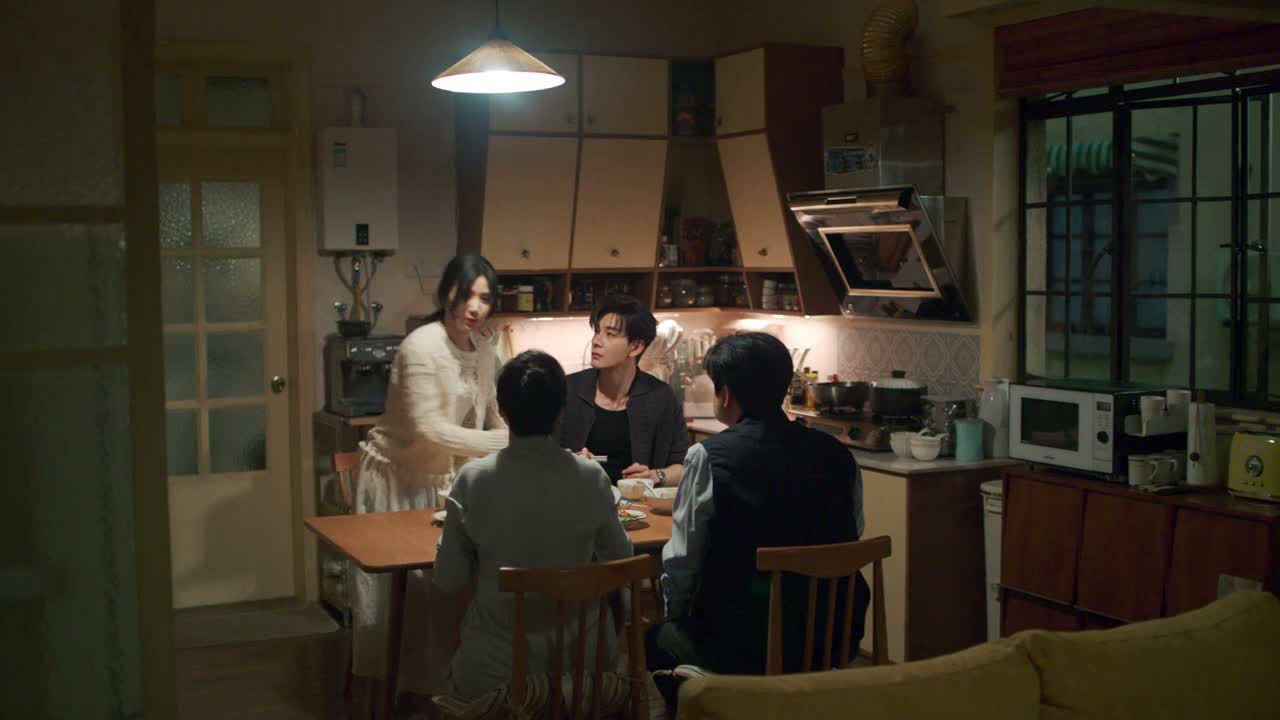
shuí ràng nǐ xià lái de shàng qù wén bà bà bù hǎo yì sī
谁让你下来的 上去 文爸爸 不好意思
“Who allowed you to come down? Go upstairs! Mr. Wen. Excuse me.”
《Road to Success》
S1·E24
TIMECODE: 18:42
·
1080P MASTER AUDIO
THE DIALOGUE REEL
[-1] PREVIOUS TURN
wǒ méi yǒu shēng bìng
我没有生病
“I'm not sick!”
shuí ràng nǐ xià lái de shàng qù wén bà bà bù hǎo yì sī
CURRENT FOCUS
谁让你下来的 上去 文爸爸 不好意思
“Who allowed you to come down? Go upstairs! Mr. Wen. Excuse me.”
[+1] FOLLOW-UP TURN
wǒ jiào yù zì jǐ de hái zi yòng bù zhe bié rén chā shǒu
“I'm disciplining my own child, and I don't need anyone else to interfere.”
Subtitles synced to millisecond timecode
Browse Show Clips →
Scene:
Crisis & Conflict
Function:
SCOLDING
Tone:
HARSH
Emotion:
ANGER
WHAT THEY REALLY MEAN (PRAGMATIC SUBTEXT)
“Obey me immediately and go back up, and mind your own business, everyone else.”
💡 Cultural Insight: Strict Parental Authority and Family Boundaries
Traditional Chinese parenting often emphasizes strict obedience, and parents consider domestic discipline an internal matter where outside interference is unwelcome.
INTENT TAGS:
#reprimand
#asserting_control
#dismissal
#defensiveness
🧩
2 CHUNKS · 0 PARTICLES
LEARNING CHUNKS & PARTICLES
谁让你
SPOKEN CHUNK
who told you to / who let you
A sharp rhetorical opening commonly used by authority figures to scold someone for acting without permission.
不好意思
SPOKEN CHUNK
excuse me / I am sorry
Used here as a curt, polite buffer to an onlooker while maintaining authority over one's child.
🏮
3 EXPR · 1 GRAMMAR
VOCABULARY & EXPRESSIONS
COLLOQUIAL EXPRESSIONS:
GRAMMAR BLUEPRINTS:
CROSS-CINEMA CORPUS BOARD · PARALLEL SCENES
EXPLORE BY SEMANTIC SIMILARITY
Parallel Spoken Cinema Scenes (语义近邻切片)
《Road to Success》 S1·E24 (18:42) · Authentic Cinema Dialogue Corpus