他自己应该是不想走的
“he probably doesn't want to leave.”
THE DIALOGUE REEL
我知道
“I know”
他自己应该是不想走的
“he probably doesn't want to leave.”
是家里的决定
“It must've been his family's decision.”
“Do not blame him; he is being forced to leave against his will.”
In Chinese culture, significant life decisions like relocation or career changes are frequently decided by family pressures rather than purely personal preference.
LEARNING CHUNKS & PARTICLES
himself / on his own part
Emphasizes the person's own will or actions in contrast to external forces.
should be / most likely is
Used to soften an assertion into a reasonable deduction based on available context.
Placed at the end of the clause to affirm an assertion and reinforce the speaker's conviction.
VOCABULARY & EXPRESSIONS
Parallel Spoken Cinema Scenes (语义近邻切片)

“What matters is that he doesn't want a future with me.”

“he just didn't want Zigui to return.”

“I shouldn't take this path?”

“Then why did he not leave?”
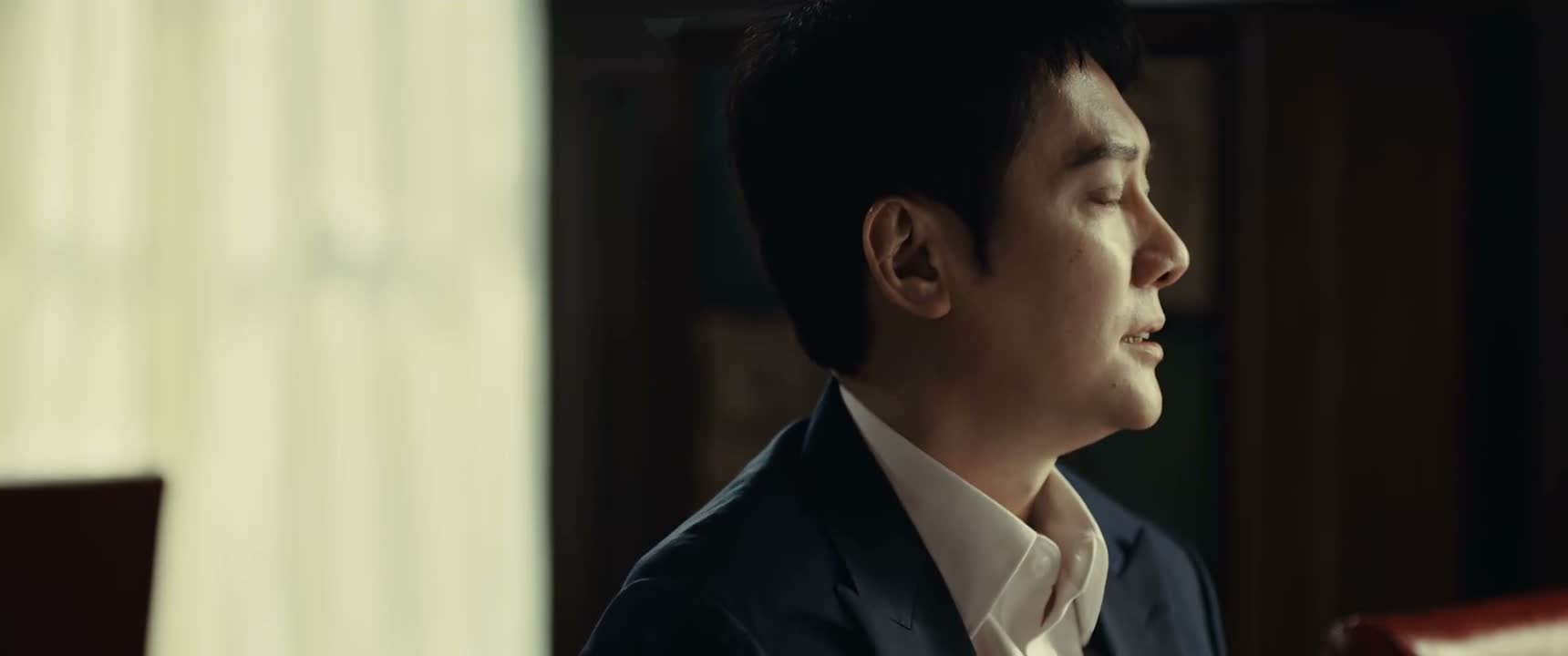
“He's probably prepared a way out.”

“He had to leave early.”