跟我单独相处 有这么尴尬吗
“Are you so embarrassed to be with me?”
THE DIALOGUE REEL
要在旁边做助手的吗
“working as your assistant beside, right?”
跟我 单独相处 有这么 尴尬 吗
“Are you so embarrassed to be with me?”
没有
“No.”
“Why are you acting so nervous around me? Just relax.”
In Chinese interpersonal dynamics, playfully acknowledging visible awkwardness directly is a common strategy to diffuse romantic tension and put the other party at ease.
LEARNING CHUNKS & PARTICLES
to spend time alone together
A common spoken collocation used when describing two people being in private without anyone else present.
is it really that awkward?
A rhetorical inquiry pattern '有这么...吗' used to question an exaggerated emotional reaction.
Turns the statement into a direct question, prompting a response to the perceived awkwardness.
VOCABULARY & EXPRESSIONS
Parallel Spoken Cinema Scenes (语义近邻切片)
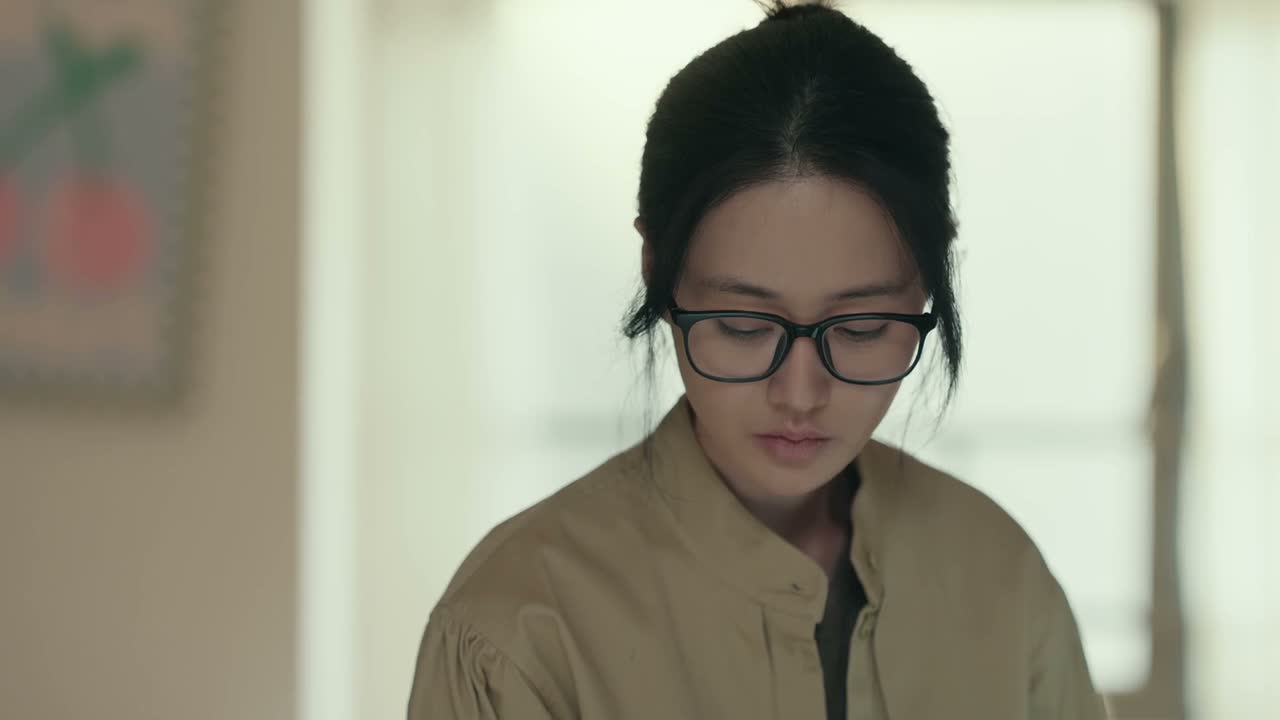
“I'd like to have a private talk with you.”
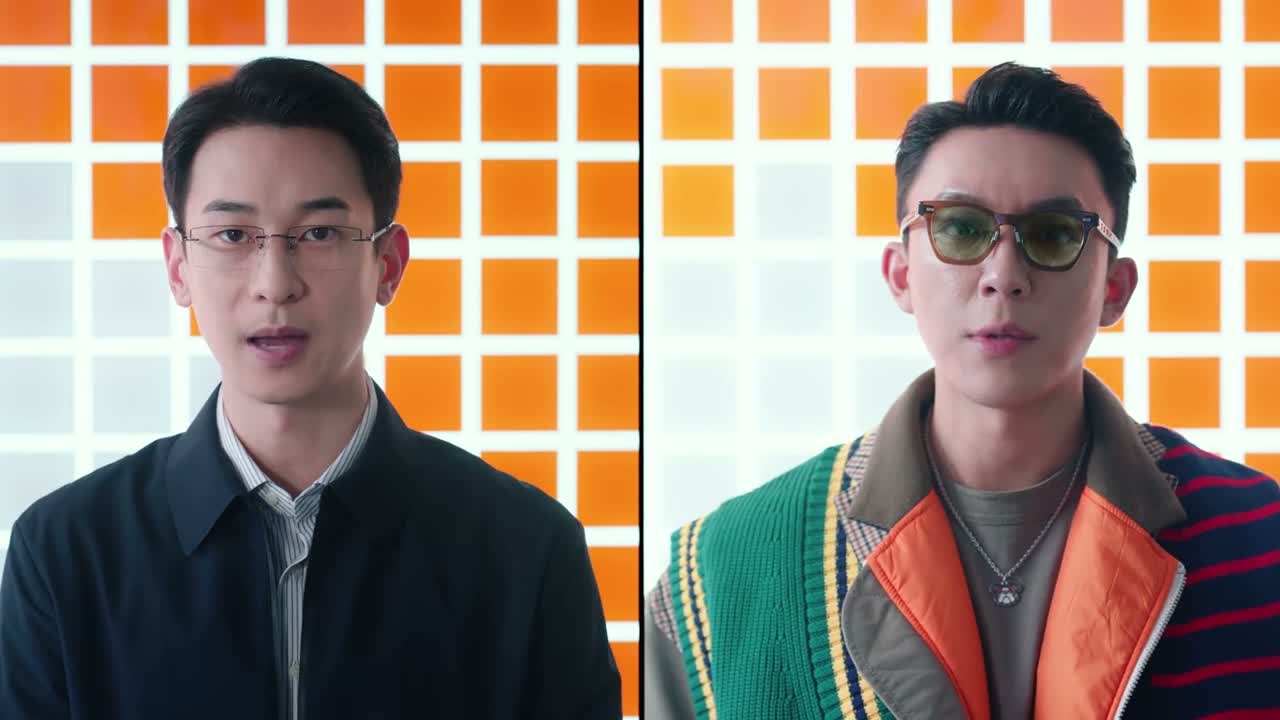
“- I want to speak with them directly. - I want to speak with them directly.”
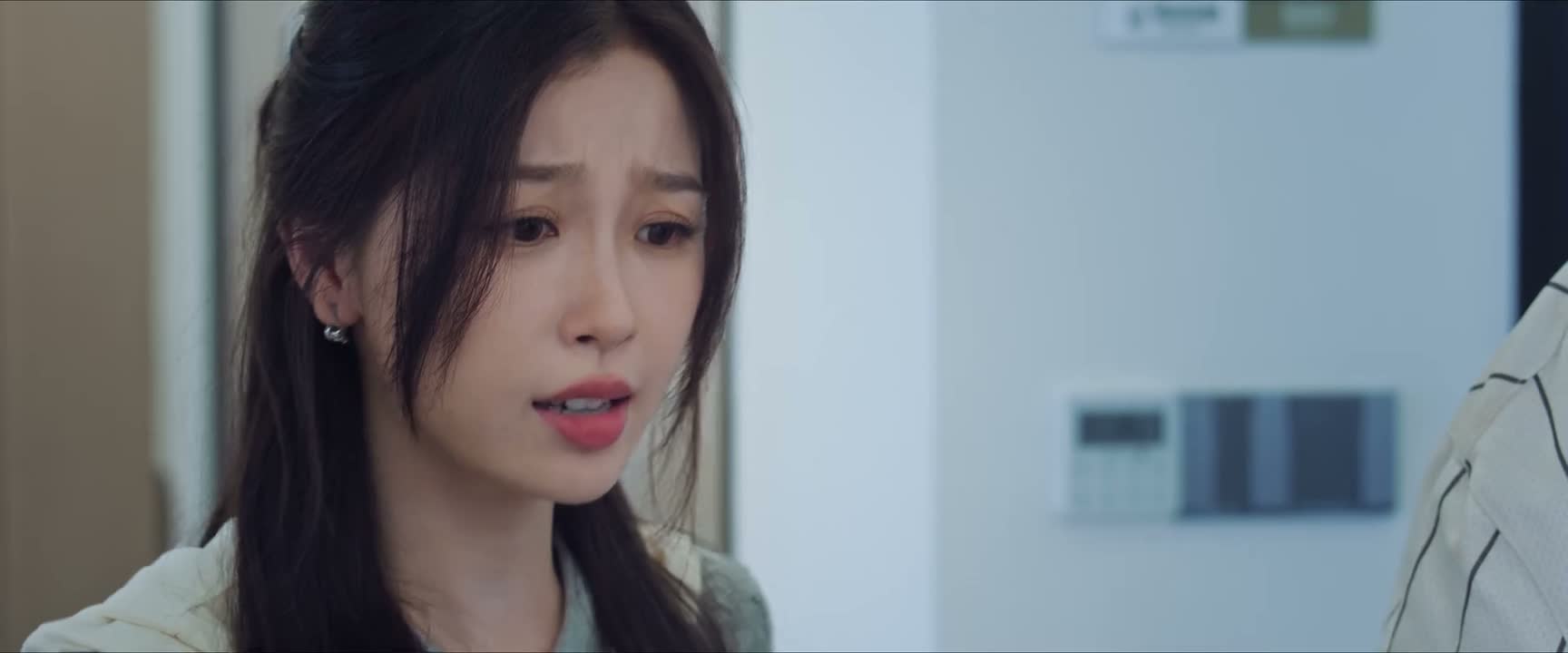
“Let me talk to him in private. No!”

“You should have told her about this when you two are alone.”

“and always keeps to himself. He doesn't seem close to anyone.”

“whenever you're with me, you always end up talking about others.”