尴尬
gān gàCommon spoken expression used by native Chinese speakers in daily life.
[Scene: 社交聚会]
(11 clips) 00:03
(为什么你没告诉你父母 我俩已经在一起了) ── Previous context
“Do you know how awkward that was for me today?”
 00:02
 00:02
 00:03
 00:02
(你别总当着小名的面 炫耀你家多有钱) ── Previous context
“It's so awkward to pay for her stuff at the mall.”
 00:03
(我吧) ── Previous context
“I feel a little awkward. And I'm also really embarrassed right now.”
 00:03
 00:02
 00:02
 00:03
(我 我给你刷过很多礼物 我也一直看你这个直播) ── Previous context
“- It's okay. - Not embarrassed at all! They're having a nice chat.”
 00:03
(这不太合适吧) ── Previous context
“We made quite a scene back then. It'd be awkward. It's fine.”
[Scene: 其他场景]
(3 clips)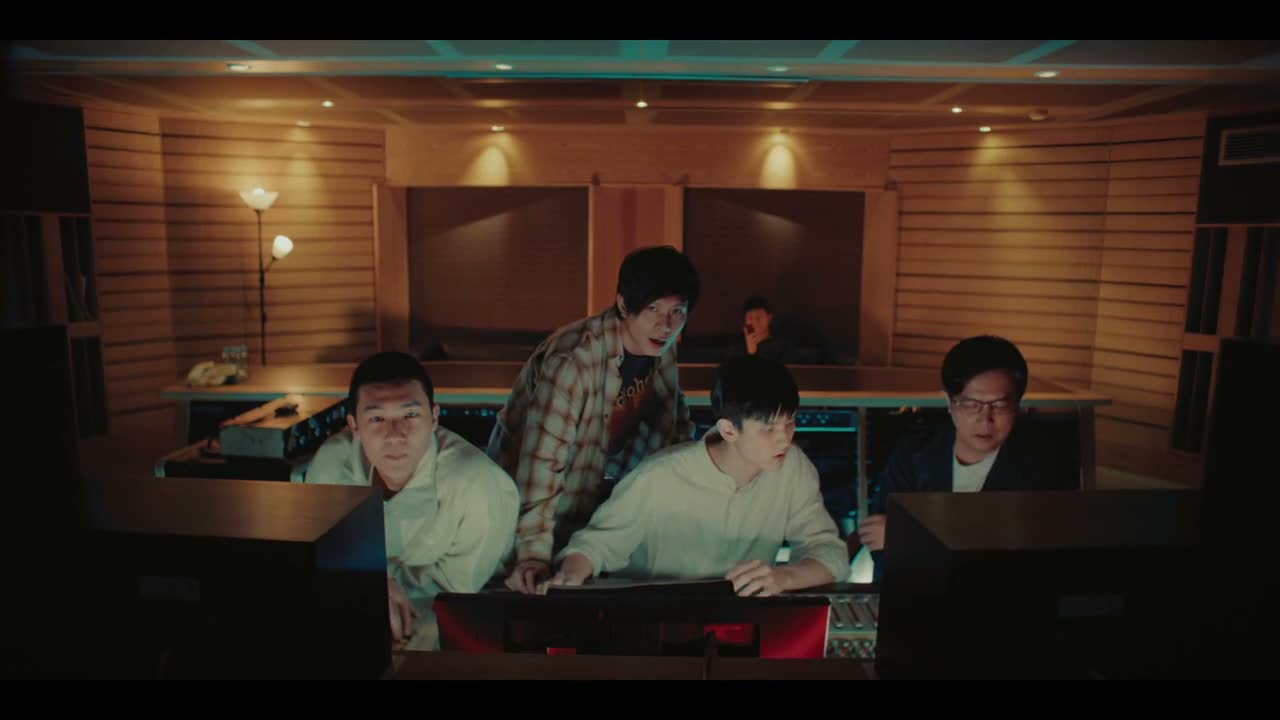 00:02
(而且什么都不讲) ── Previous context
“- I'm moving out. This is way too awkward. - Can guys pull that?”
 00:03
(我能不能请你 不要再去打扰党羽了) ── Previous context
“You're making things awkward for her. I've told you so many times.”
 00:03
(不会跳舞 可以不跳 你跳成这样 我看着很尴尬) ── Previous context
“Iris scan verified. Embarrassing? Come on, you're an AI!”
[Scene: 其他场景]
(3 clips) 00:03
(就是觉得他女儿不成器 这下完了) ── Previous context
“I think the most embarrassed person won't be Shen Mo when the video spreads.”
 00:02
(要不让妮妮去吧) ── Previous context
“Have you lost your mind? It'll be even more awkward if Ni is there.”
 00:03
(走 干什么干什么干什么 差不多得了) ── Previous context
“What an embarrassment it'll be to be caught by them! Are you stupid?”
[Scene: 家庭日常]
(2 clips) 00:02
 00:03
[Scene: 职场工作]
(1 clips) 00:03
(我为什么要辞职啊) ── Previous context
“You might feel uncomfortable. That's my advice for you.”
📌 没事
→Nuance: 同为宽慰他人聊天不用介意
📌 不清楚
→Nuance: 句式结构相似口吻意图接近
📌 干什么
→Nuance: 同向近义词根配对: [知道 ↔ 清楚]
📌 人家
→Nuance: 同表尴尬怨怼但句式不同
📌 人家
→Nuance: 同向近义词根配对: [难堪 ↔ 尴尬]
📌 不是
→Nuance: 句式结构相似口吻意图接近
📌 不是
→Nuance: 同向近义词根配对: [传播 ↔ 传开]
📌 没事没事
→Nuance: 同为宽慰他人聊天不用介意