没人能比我感同身受
“no one understands better than I do.”
THE DIALOGUE REEL
这中艰苦
“The hardships involved,”
没人 能比我 感同身受
“no one understands better than I do.”
洛将军
“General Luo,”
Direct spoken expression in this communicative setting.
Expressing shared suffering is a potent method for leaders or comrades in Chinese martial tradition to forge deep bonds of loyalty and mutual respect.
LEARNING CHUNKS & PARTICLES
to empathize deeply; to feel as if experiencing it oneself
A standard four-character idiom (chengyu) used in formal or literary spoken contexts to express total emotional alignment.
no one can compare to / no one more than
A superlative comparative pattern used to assert unique qualification or supreme intensity.
VOCABULARY & EXPRESSIONS
Parallel Spoken Cinema Scenes (语义近邻切片)
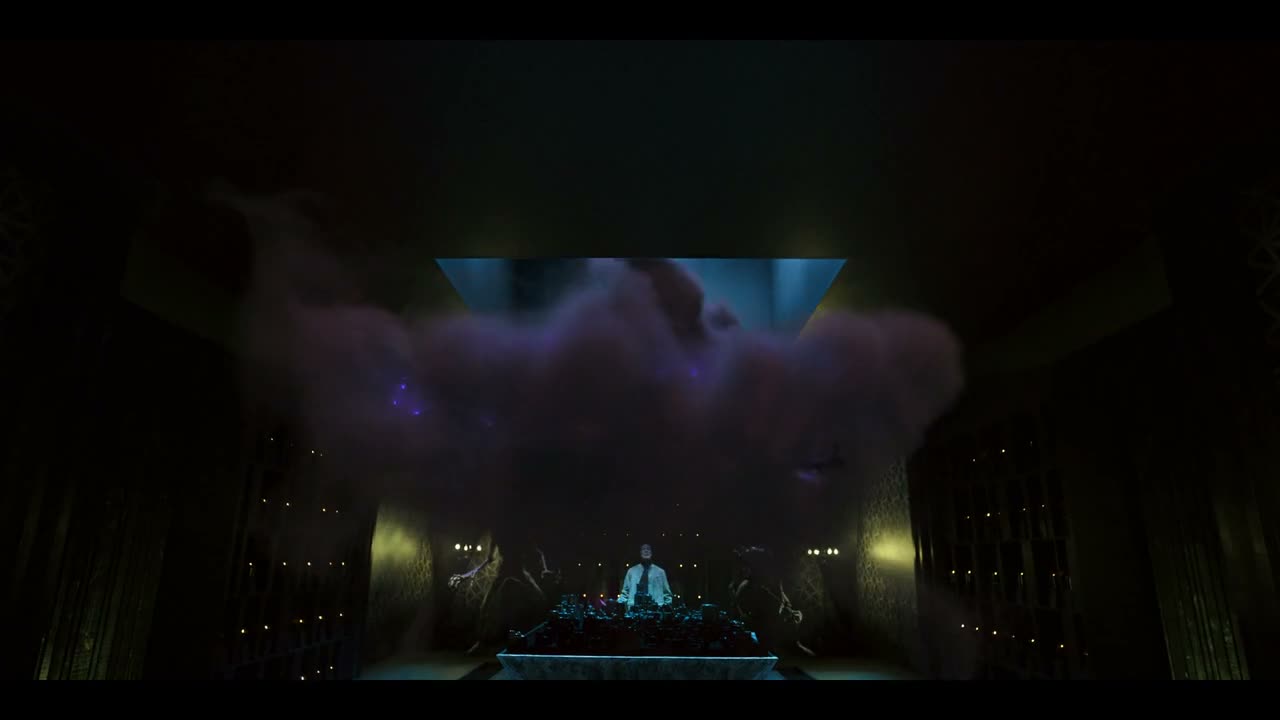
“there's no way they can take my demon powers!”

“I always thought no one could understand”

“I have no one to say it to.”
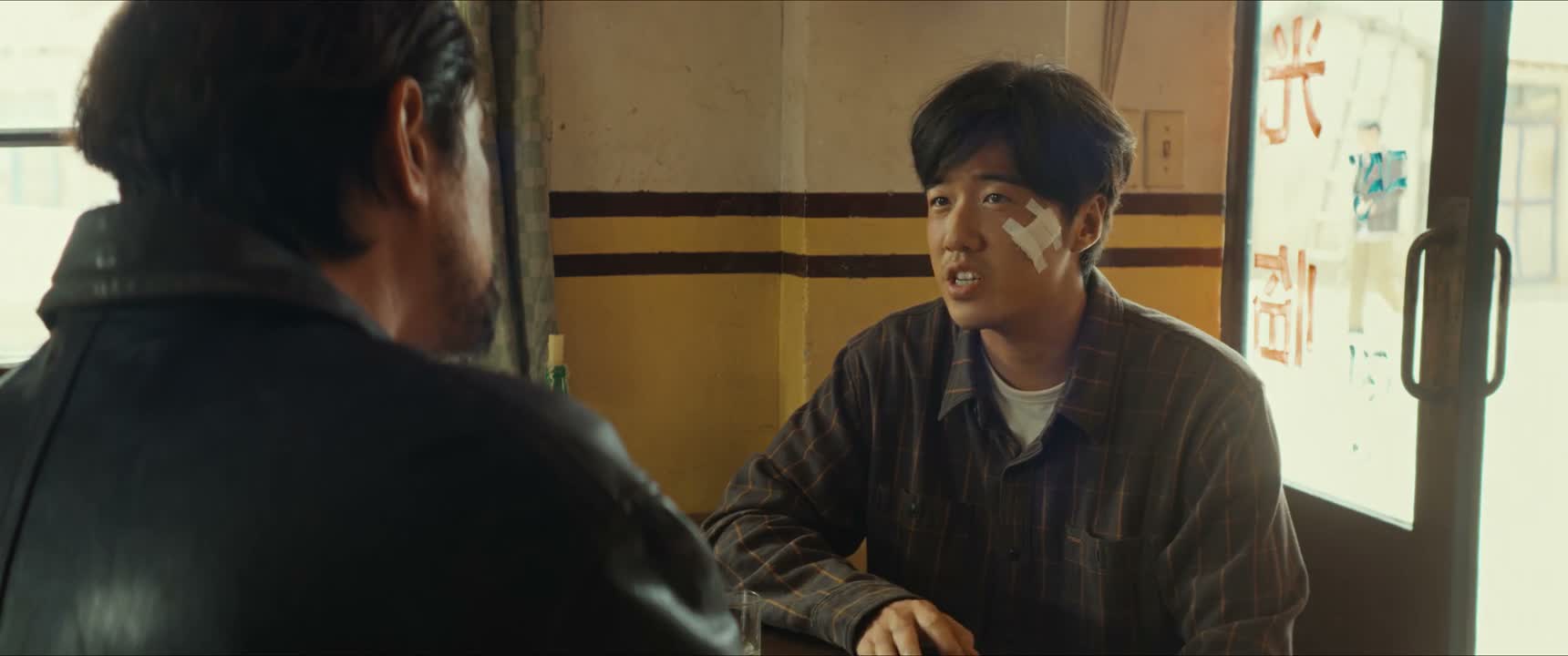
“find it hard to immediately empathize.”

“No one can keep me company forever.”

“I'll never forget.”