利用别人 自己置身事外
“Always using others to do things.”
THE DIALOGUE REEL
他杀了女孩和奶奶的地方
“It's where he killed that girl, and where he killed the girl's grandma. That's where he found this boy, and assaulted him.”
利用 别 人 自己 置身事外
“Always using others to do things.”
很有吴天机的作风
“His typical MO.”
“He is a coward who always pulls strings from the shadows so his own hands stay clean.”
Using concise four-character idioms like '置身事外' allows speakers to succinctly deliver sharp moral critiques and behavioral evaluations in Chinese.
LEARNING CHUNKS & PARTICLES
to take advantage of others; to manipulate others
A common phrase denoting selfishly using someone else for personal gain.
to stay out of the affair; to remain aloof
A four-character idiom (chengyu) describing someone who avoids getting involved or refuses to share responsibility.
VOCABULARY & EXPRESSIONS
Parallel Spoken Cinema Scenes (语义近邻切片)

“It doesn't work on anyone else at all.”
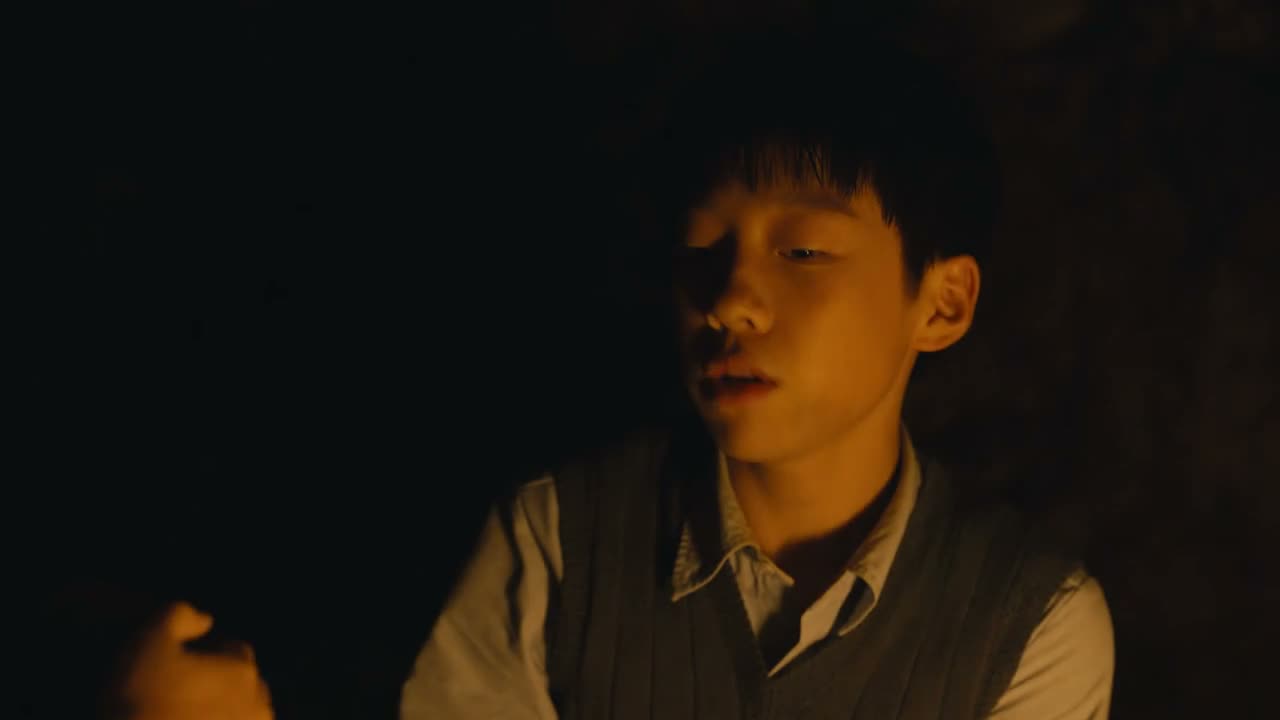
“Don't change yourself because of other people.”

“is not someone who does whatever they want in the dark and makes sacrifices alone.”