听着你这 说话口音都变了
“Your accent has changed.”
THE DIALOGUE REEL
给我倒杯水吧 我在所里口干舌燥 说了半天话了
“Give me a cup of water. I'm thirsty because I've said so much in the police station.”
听着 你这 说话口音 都变了
“Your accent has changed.”
啊 有吗 挺明显的
“What? Has it? It's quite obvious.”
“You sound like someone from out of town now; you've really been influenced by that place.”
In China, regional accents and dialects strongly tie back to hometown identity; commenting on an altered accent often carries a subtle nostalgia or gentle ribbing about losing one's native roots.
LEARNING CHUNKS & PARTICLES
even the accent has changed
Used colloquially when noticing that someone has picked up the phonetic habits or dialect of another city.
Indicates a completed change of state, drawing focus to the contrast between past and present speech habits.
VOCABULARY & EXPRESSIONS
Parallel Spoken Cinema Scenes (语义近邻切片)
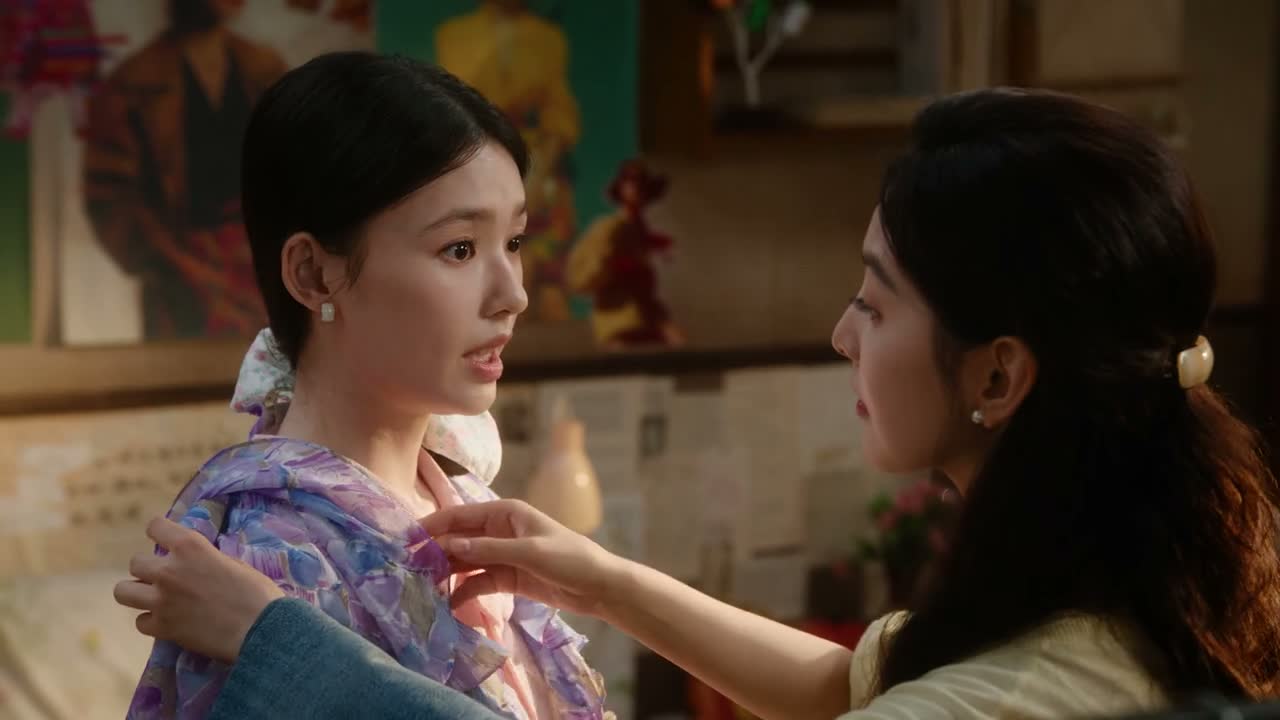
“I find your accent really familiar and kind.”
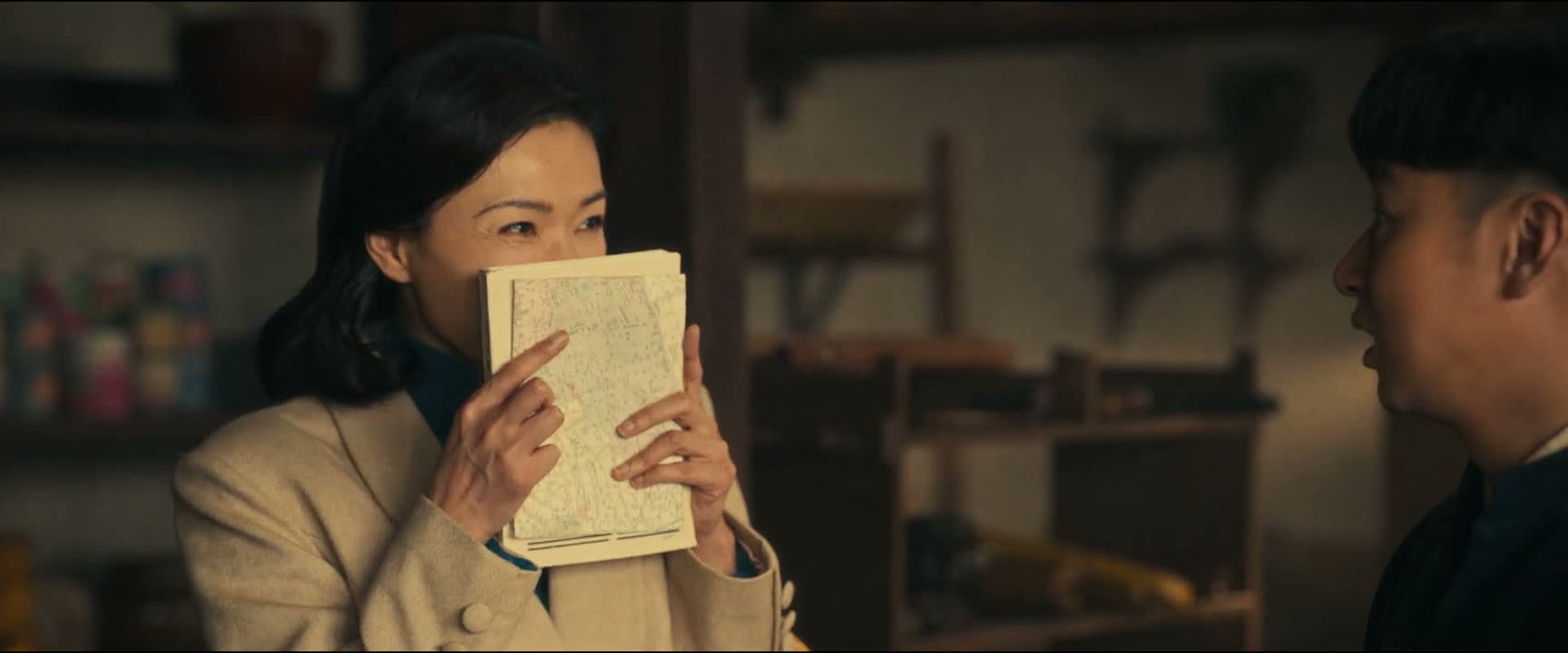
“What kind of accent is that? Don't you think so?”

“What accent is that? Mine is better than yours.”

“and your way of speaking is certainly different now.”

“Sounded like people from Chaotou.”

“That guy's accent was too thick. I didn't catch it clearly.”