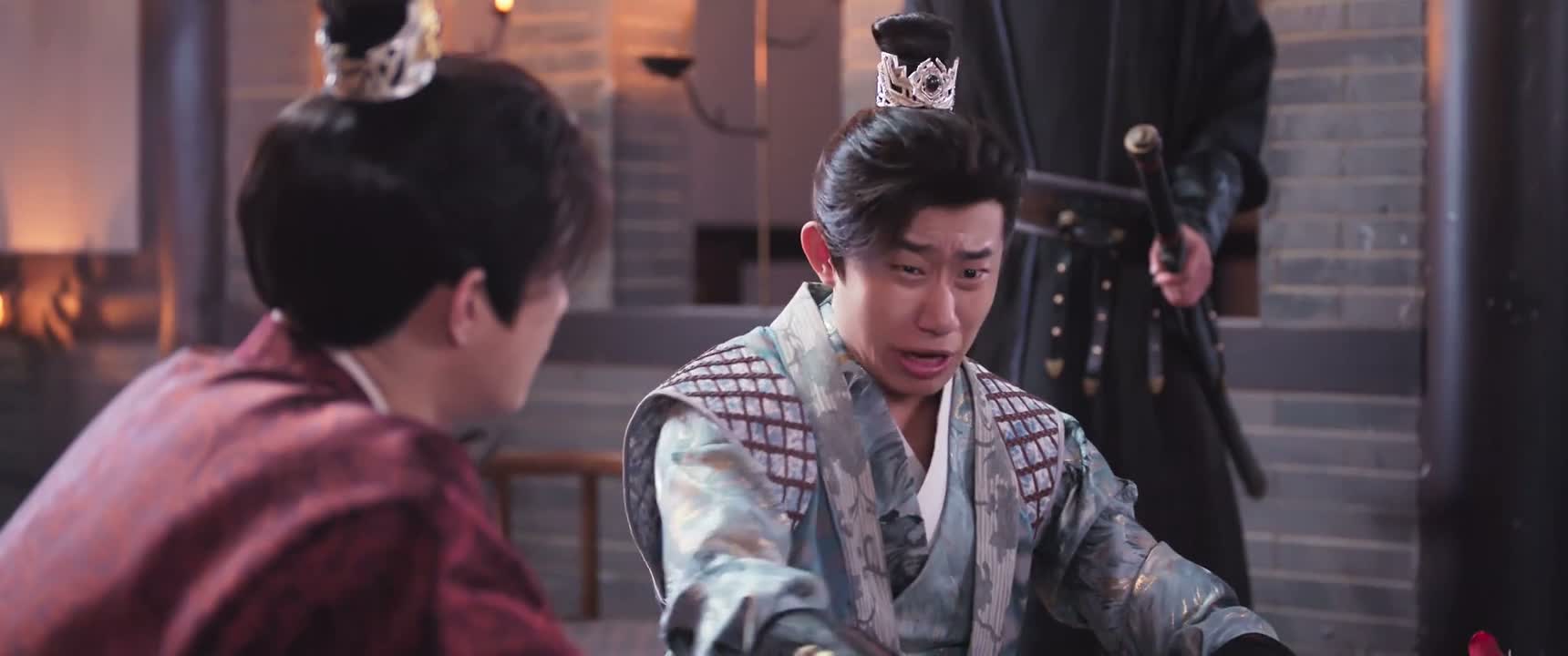
你这是什么口音啊 说得不像吗
“What kind of accent is that? Don't you think so?”
THE DIALOGUE REEL
我也会讲上海话
“I can speak Shanghai too.”
你 这是什么 口音啊 说得 不像 吗
“What kind of accent is that? Don't you think so?”
我有个好东西给你
“I have something good for you.”
“That sounds nothing like real Shanghainese, you sound ridiculous!”
Shanghainese is notoriously difficult for non-natives to imitate accurately, making humorous mimicry and teasing about 'authentic' Shanghainese a common social icebreaker.
LEARNING CHUNKS & PARTICLES
what kind of accent
Used to question someone's unusual pronunciation or regional dialect.
doesn't sound authentic; sounds off
Commonly used to critique an imitation of an accent, language, or voice.
Softens the rhetorical question into a friendly, teasing inquiry rather than a harsh reprimand.
Turns the statement into a follow-up rhetorical confirmation question seeking agreement.
VOCABULARY & EXPRESSIONS
Parallel Spoken Cinema Scenes (语义近邻切片)

“Your accent has changed.”
“But he has a strong Nanzhao accent.”

“He speaks with a Nancheng accent.”

“What accent is that? Mine is better than yours.”

“What happened? I'm speaking in my hometown dialect.”

“The accent and build both match up.”