掌柜非说他的地契没拿 要回去
“the Manager insisted he hadn't taken his land deed and wanted to go back.”
THE DIALOGUE REEL
跑到半路
“Halfway there,”
掌柜 非说 他的地契没拿 要回去
“the Manager insisted he hadn't taken his land deed and wanted to go back.”
他就说
“He said”
“He stubbornly put his property before his own life and wouldn't listen to reason.”
In traditional China, land deeds (地契) represented family lineage, survival, and social standing, driving people to risk their lives to preserve them.
LEARNING CHUNKS & PARTICLES
insistently claimed / stubbornly insisted
Use this spoken pattern to highlight someone obstinately claiming something despite counter-evidence or warnings.
land deed / title deed
A noun denoting ownership documents of real property, particularly common in historical contexts.
VOCABULARY & EXPRESSIONS
Parallel Spoken Cinema Scenes (语义近邻切片)

“was in pretty much the same situation. He couldn't find his land deed.”

“leave the title deed,”

“Then please take out your land deed for us to see.”
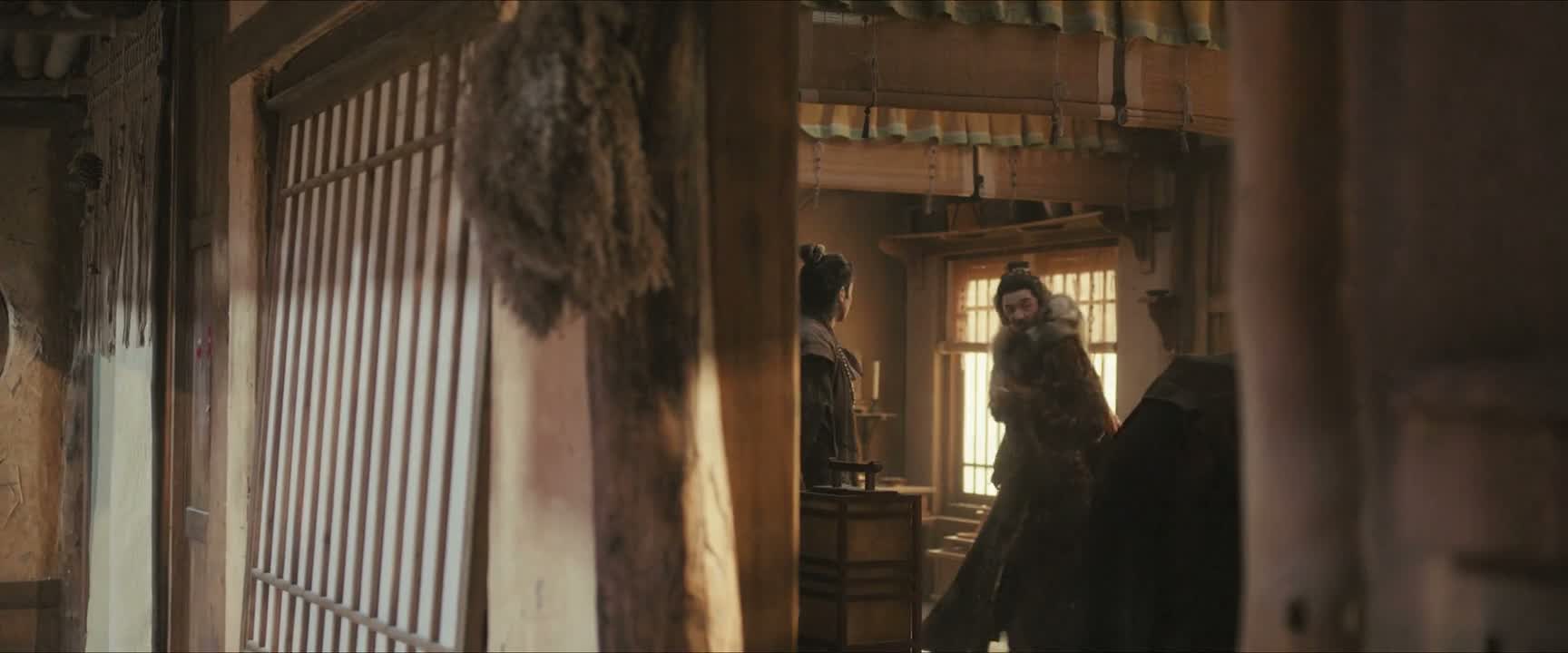
“if we don't find the title deed this time,”

“That landlord is really wealthy.”

“Your bookkeepers and stewards are doing just fine, right?”