我们就是您说的 宁死不食周粟的人
“We are the ones you described, who'd rather die than compromise our principles.”
THE DIALOGUE REEL
“We are exactly the barefoot people you mentioned.”
我们 就是 您说 的 宁死不食周粟 的人
“We are the ones you described, who'd rather die than compromise our principles.”
“Thank you so much for these past days,”
“Keep your handouts and threats; we would rather die than betray our principles.”
Alluding to ancient hermits who refused food from an usurping dynasty, invoking an ultimate standard of loyalty and uncompromised patriotism in Chinese culture.
LEARNING CHUNKS & PARTICLES
would rather starve to death than eat the grain of the Zhou dynasty; unyielding loyalty and refusal to surrender
A classical idiom derived from the story of Boyi and Shuqi, used in formal or dramatic contexts to express uncompromising moral conviction.
Functions as a nominalizer completing the relative clause, categorizing the speaker group definitively.
VOCABULARY & EXPRESSIONS
Parallel Spoken Cinema Scenes (语义近邻切片)
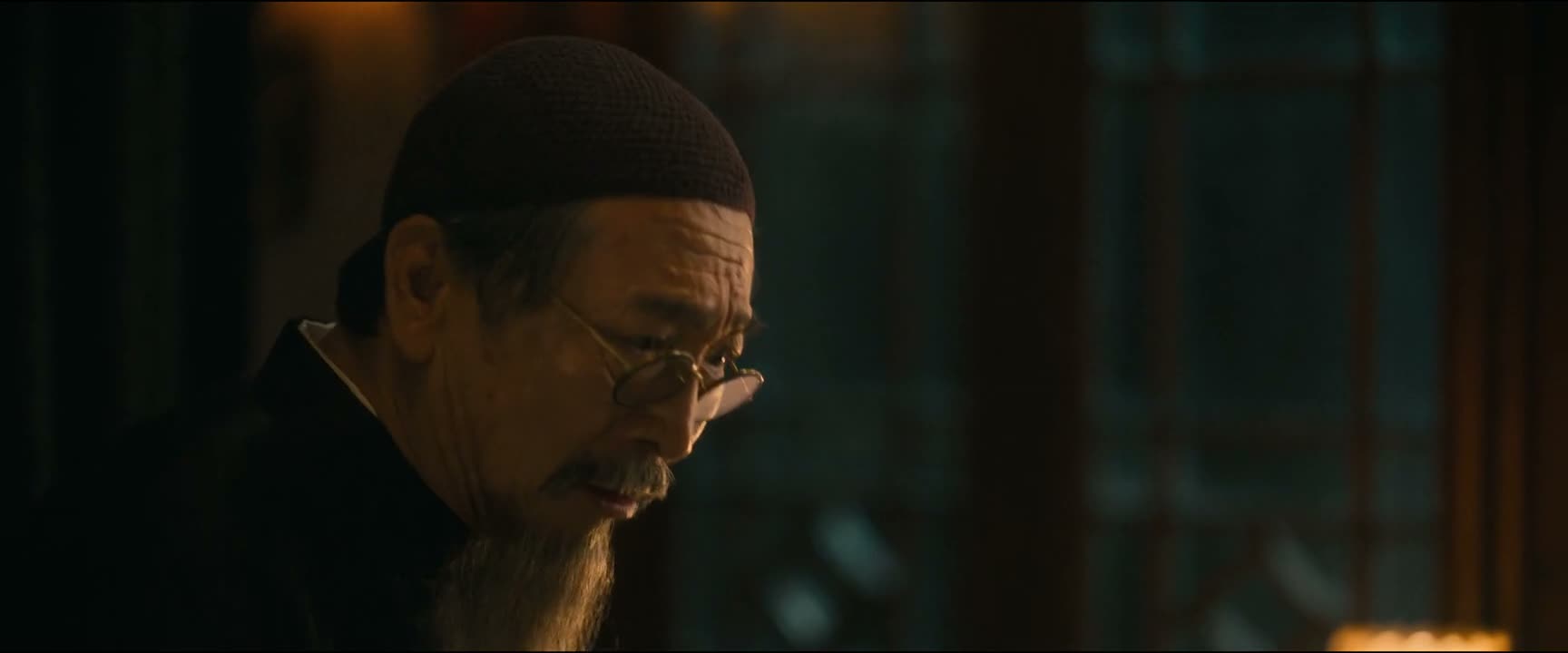
“I'd rather die.”

“[Eight years ago, winter] He has to die, or all of us will.”
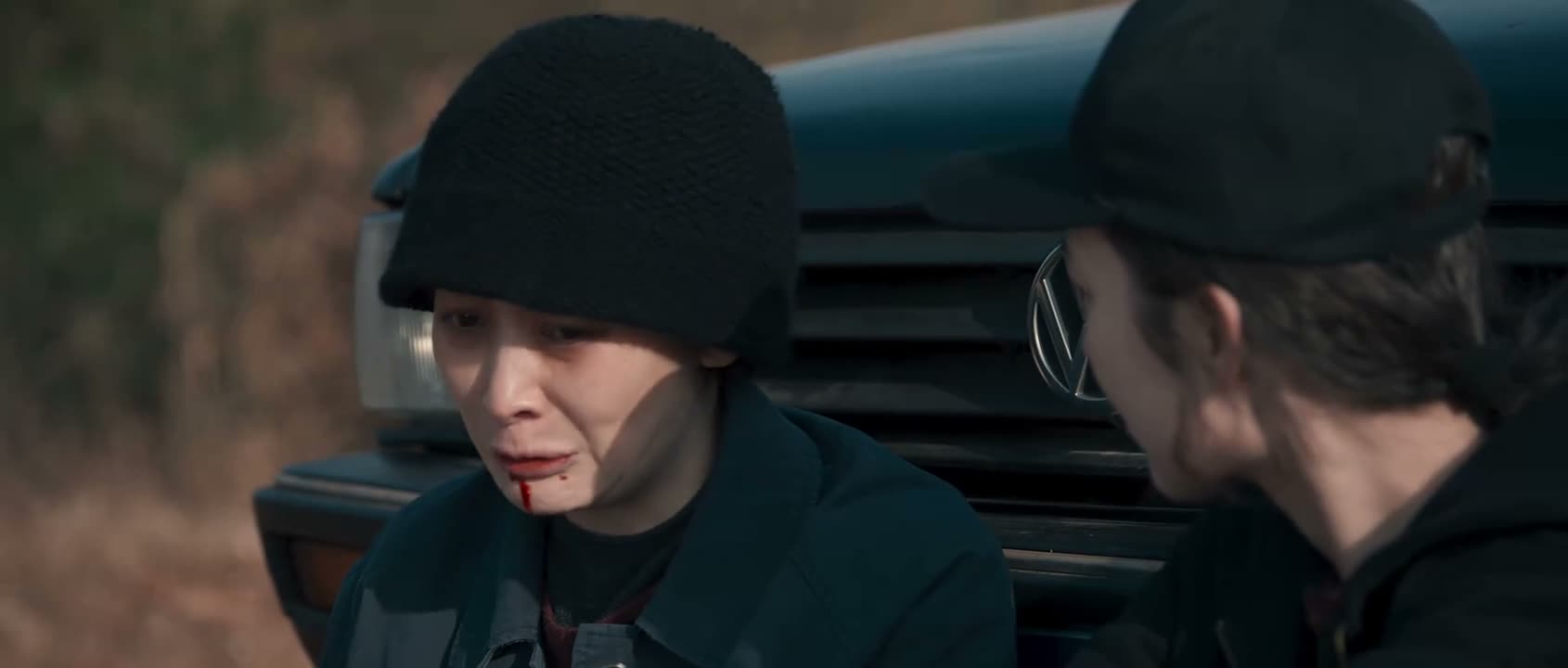
“he would rather die with honor”

“I would rather have died outside the city”

“He'd rather take his life than offer his spot to me.”

“Eat this and die. Fine, I'll die.”