MC
MandarinClips Cinema Corpus
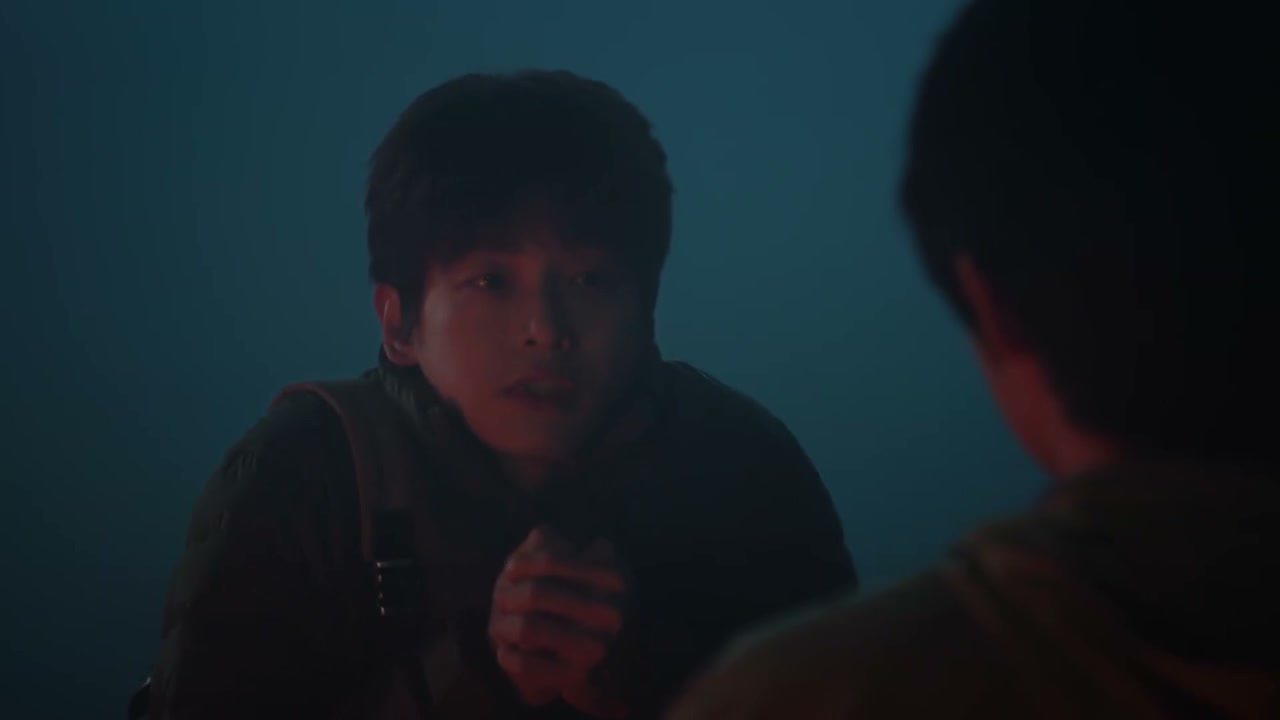
《Love Has Fireworks》 S1·E11 (24:07) HSK 4
wǒ jiù bù jiě shì le wǒ jiù shì guò lái qǐng zuì de

我就不解释了 我就是过来请罪的

“I won't explain myself. I'm here to apologize.”

《Love Has Fireworks》 S1·E11
TIMECODE: 24:07 · 1080P MASTER AUDIO

THE DIALOGUE REEL

1+1+1 SPOKEN CONTINUITY
[-1] PREVIOUS TURN nà zhì yú wǒ ne

那至于我呢

“As for me,”

wǒ jiù bù jiě shì le wǒ jiù shì guò lái qǐng zuì de CURRENT FOCUS

我就不 解释 了 我 就是 过来 请罪 的

“I won't explain myself. I'm here to apologize.”

[+1] FOLLOW-UP TURN wǒ shòu fá

我受罚

“I'll accept my punishment.”

Subtitles synced to millisecond timecode Browse Show Clips →
Scene: Workplace
Function: APOLOGIZING
Tone: APOLOGETIC
Emotion: CONTRITION
WHAT THEY REALLY MEAN (PRAGMATIC SUBTEXT)
“I messed up and I own it, so please go easy on me.”
💡 Cultural Insight: Fuzui (Taking Accountability)

In Chinese culture, explaining oneself when a mistake happens is frequently seen as making excuses. Preemptively admitting guilt (请罪) shows modesty, respect, and upright character.

INTENT TAGS: #apology #accountability #submission #face_management
🧩

LEARNING CHUNKS & PARTICLES

2 CHUNKS · 2 PARTICLES
请罪 SPOKEN CHUNK

to admit guilt / to ask for punishment

Originally a classical idiom (from 'bearing thorns to plead guilty'), used modernly in semi-formal or humble contexts to show profound apology.

我就不解释了 SPOKEN CHUNK

I won't make excuses

Used to project accountability by renouncing defensive excuses right before apologizing.

Modal Particle「了」 (le) CHANGE OF STATE

Indicates a firm decision or change of state in deciding not to argue.

Modal Particle「的」 (de) CHANGE OF STATE

Emphasizes the specific purpose and clear motivation behind the speaker's visit.
🏮

VOCABULARY & EXPRESSIONS

4 EXPR · 0 GRAMMAR
CROSS-CINEMA CORPUS BOARD · PARALLEL SCENES

Parallel Spoken Cinema Scenes (语义近邻切片)

EXPLORE BY SEMANTIC SIMILARITY
《Love Has Fireworks》 S1·E11 (24:07) · Authentic Cinema Dialogue Corpus