《Archives: The Nanyang Mystery》 S1·E7 (28:50)
HSK 7
liú xiě yǒu shén me dà jīng xiǎo guài de nǐ jǐn zhāng shén me
流血有什么大惊小怪的 你紧张什么
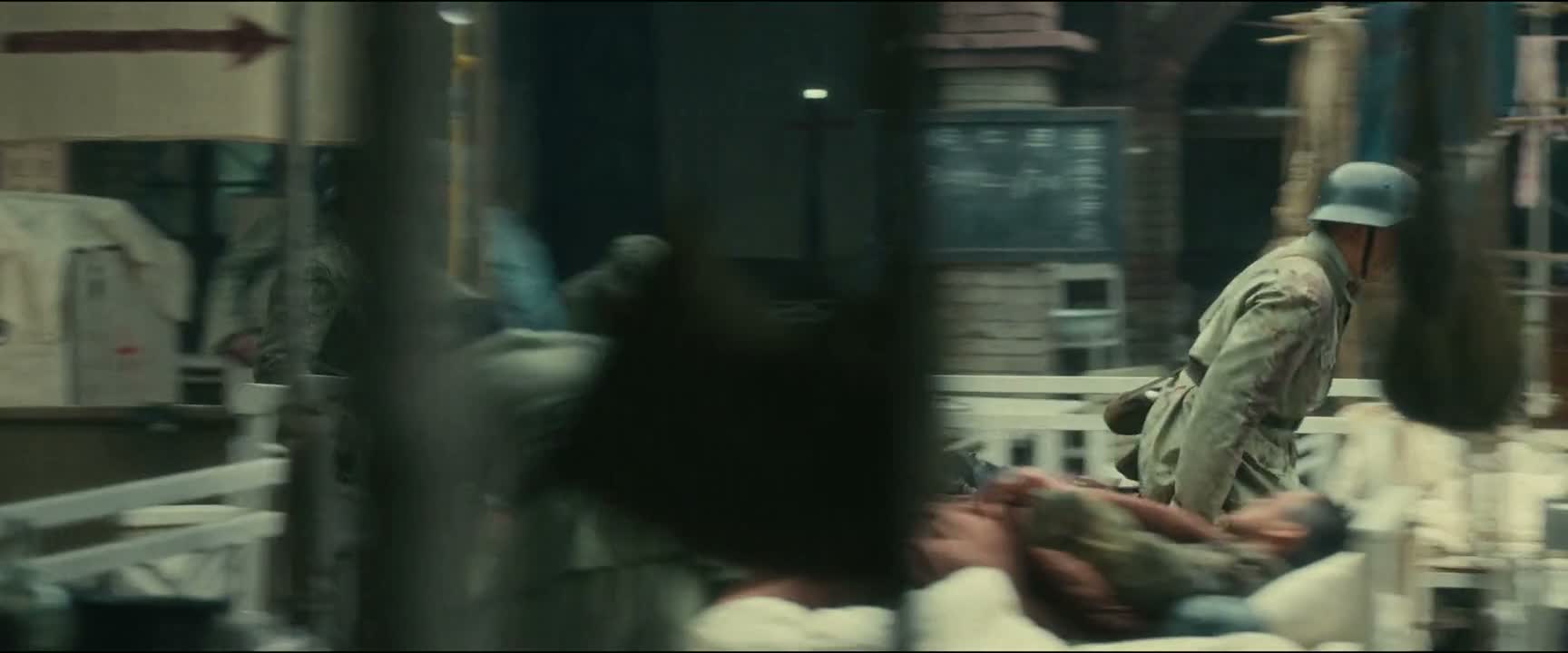
“What's the fuss about bleeding? Why are you so nervous?”
《Archives: The Nanyang Mystery》
S1·E7
TIMECODE: 28:50
·
1080P MASTER AUDIO
THE DIALOGUE REEL
[-1] PREVIOUS TURN
nǐ
你
“You...”
liú xiě yǒu shén me dà jīng xiǎo guài de nǐ jǐn zhāng shén me
CURRENT FOCUS
流血 有什么 大惊小怪的 你 紧张什么
“What's the fuss about bleeding? Why are you so nervous?”
[+1] FOLLOW-UP TURN
wǒ jǐn zhāng shén me
我紧张什么
“I'm not nervous.”
Subtitles synced to millisecond timecode
Browse Show Clips →
Scene:
Crisis & Conflict
Function:
DEFLECTING CONCERN
Tone:
DISMISSIVE AND QUESTIONING
Emotion:
SUSPICION
WHAT THEY REALLY MEAN (PRAGMATIC SUBTEXT)
“A little blood is nothing, so why are you losing your cool unless you're hiding something?”
💡 Cultural Insight: Projecting Stoicism
Dismissing personal injury as trivial is often used in Chinese narratives to project masculine toughness and test the opponent's psychological poise.
INTENT TAGS:
#dismissal
#counter_questioning
#probing
#stoicism
🧩
2 CHUNKS · 1 PARTICLES
LEARNING CHUNKS & PARTICLES
大惊小怪
SPOKEN CHUNK
make a fuss over nothing; be overly alarmed
A common four-character idiom criticizing someone for overreacting to ordinary events.
有什么……的
SPOKEN CHUNK
what is there to...
Rhetorical pattern used to dismiss the significance or validity of an action.
Modal Particle「的」 (de)
CHANGE OF STATE
Affirms the nominalized clause and solidifies the rhetorical assertion.
🏮
3 EXPR · 0 GRAMMAR
VOCABULARY & EXPRESSIONS
COLLOQUIAL EXPRESSIONS:
CROSS-CINEMA CORPUS BOARD · PARALLEL SCENES
EXPLORE BY SEMANTIC SIMILARITY
Parallel Spoken Cinema Scenes (语义近邻切片)
《Archives: The Nanyang Mystery》 S1·E7 (28:50) · Authentic Cinema Dialogue Corpus