你怎么翻人东西啊你
“How could you go through my things?”
THE DIALOGUE REEL
“I just saw it. You still have quite a bit of money, don't you?”
你 怎么 翻人东西 啊你
“How could you go through my things?”
“Compared to many on this ship, you are considered well-off.”
“Keep your hands off my stuff! You have no right to touch my things.”
Repeating '你' at both the beginning and end of a sentence ('你怎么...啊你') is a distinct spoken pattern used to heighten direct confrontation and rebuke.
LEARNING CHUNKS & PARTICLES
rummaging through someone's belongings
Used to describe snooping or going through someone's private items without permission.
Amplifies the accusatory tone, signaling intense exasperation and emotional protest.
VOCABULARY & EXPRESSIONS
Parallel Spoken Cinema Scenes (语义近邻切片)

“That bastard,”
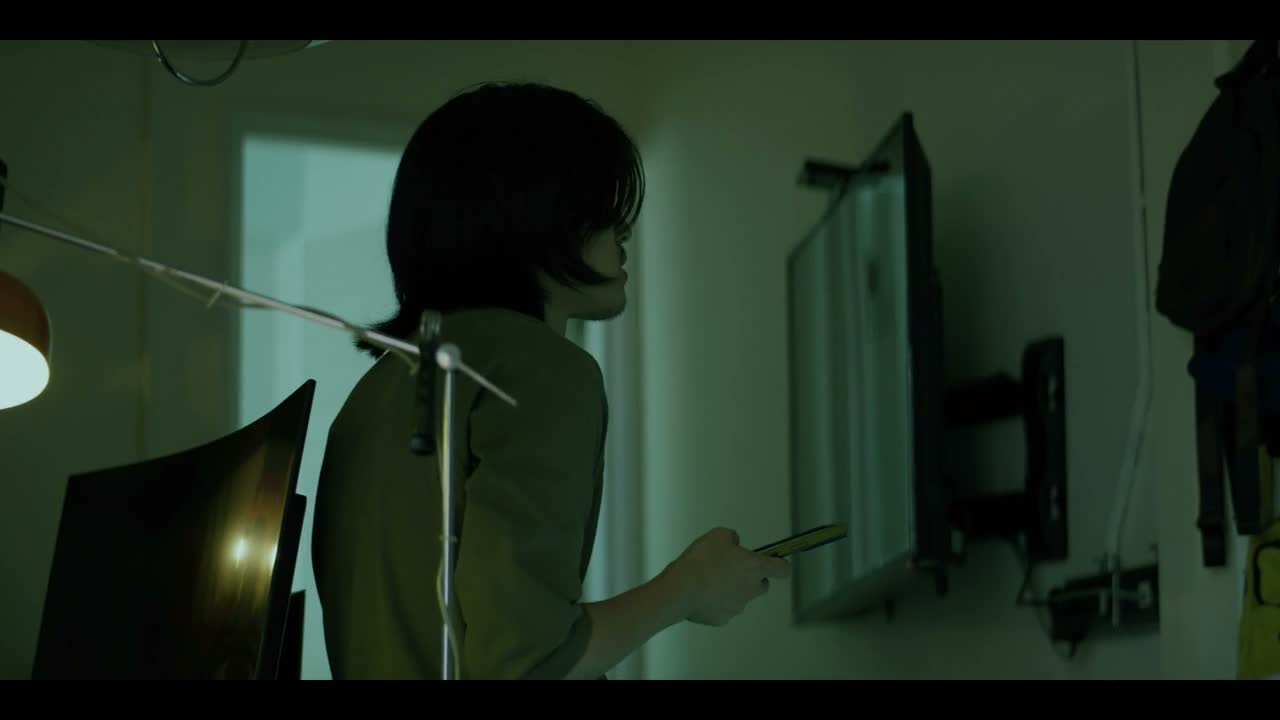
“[sighs] Not your concern.”

“They were smeared because they were invincible.”

“How can you let him humiliate you like this?”

“but I act like an idiot.”

“No. Are you trying to insult me or something?”