MC
MandarinClips Cinema Corpus
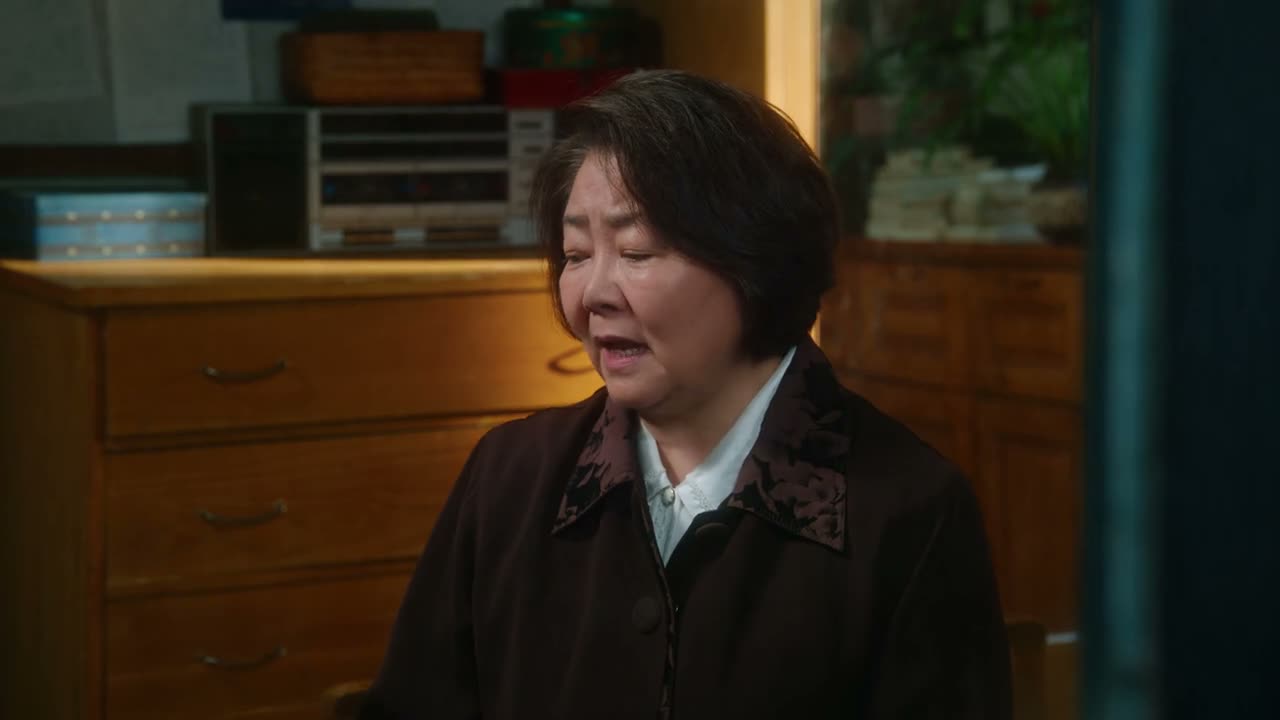
《Archives: The Nanyang Mystery》 S1·E7 (27:08) HSK 3
wǒ gāng dōu kàn le nǐ zhè qián bú shì hái tǐng duō de ma

我刚都看了 你这钱不是还挺多的吗

“I just saw it. You still have quite a bit of money, don't you?”

《Archives: The Nanyang Mystery》 S1·E7
TIMECODE: 27:08 · 1080P MASTER AUDIO

THE DIALOGUE REEL

1+1+1 SPOKEN CONTINUITY
[-1] PREVIOUS TURN shén me qián bù qián de

什么钱不钱的

“Forget about the money.”

wǒ gāng dōu kàn le nǐ zhè qián bú shì hái tǐng duō de ma CURRENT FOCUS

我刚都看了 你这钱 不是 还挺 多 的吗

“I just saw it. You still have quite a bit of money, don't you?”

[+1] FOLLOW-UP TURN nǐ zěn me fān rén dōng xī a nǐ

“How could you go through my things?”

Subtitles synced to millisecond timecode Browse Show Clips →
Scene: Crisis & Conflict
Function: CALLING A BLUFF
Tone: CONFRONTATIONAL
Emotion: SUSPICION
WHAT THEY REALLY MEAN (PRAGMATIC SUBTEXT)
“Stop pretending to be broke, I caught you red-handed.”
💡 Cultural Insight: Pretending Poverty (Kuping)

Claiming to have no money is a common self-preservation or evasive strategy in Chinese social and business interactions to avoid loans, extortion, or obligations.

INTENT TAGS: #confrontation #calling_out #exposing_lies #inquiry
🧩

LEARNING CHUNKS & PARTICLES

2 CHUNKS · 1 PARTICLES
不是...吗 SPOKEN CHUNK

isn't it the case that...?

A standard rhetorical question pattern used to confront someone with evident facts that contradict their claims.

挺多的 SPOKEN CHUNK

quite a lot; plenty

A colloquial quantifier phrase used to emphasize a significant amount.

Modal Particle「吗」 (ma) CHANGE OF STATE

Turns the statement into a sharp rhetorical question, challenging the other party's honesty.
🏮

VOCABULARY & EXPRESSIONS

2 EXPR · 2 GRAMMAR
CROSS-CINEMA CORPUS BOARD · PARALLEL SCENES

Parallel Spoken Cinema Scenes (语义近邻切片)

EXPLORE BY SEMANTIC SIMILARITY
《Archives: The Nanyang Mystery》 S1·E7 (27:08) · Authentic Cinema Dialogue Corpus