冰冰一般都是几点放学回家呀
“What time did Bingbing usually come home after school?”
THE DIALOGUE REEL
郭冰冰生前的一些情况
“to see if you can help us piece together Guo Bingbing's last days.”
冰冰 一般 都是 几点放学回家 呀
“What time did Bingbing usually come home after school?”
“So she generally didn't linger outside, right?”
Direct spoken expression in this communicative setting.
When questioning bereaved family members or witnesses, Chinese speakers use softening modal particles like '呀' to reduce the interrogation's emotional sting.
LEARNING CHUNKS & PARTICLES
generally / usually it is...
Used to ask or talk about customary routines or standard baseline conditions.
come home from school
Standard collocation referring to the daily end-of-school routine for students.
Softens an inquiry to sound considerate, approachable, and non-confrontational.
VOCABULARY & EXPRESSIONS
Parallel Spoken Cinema Scenes (语义近邻切片)

“Do you guys know where he usually goes after school?”

“It's late. Go home now.”
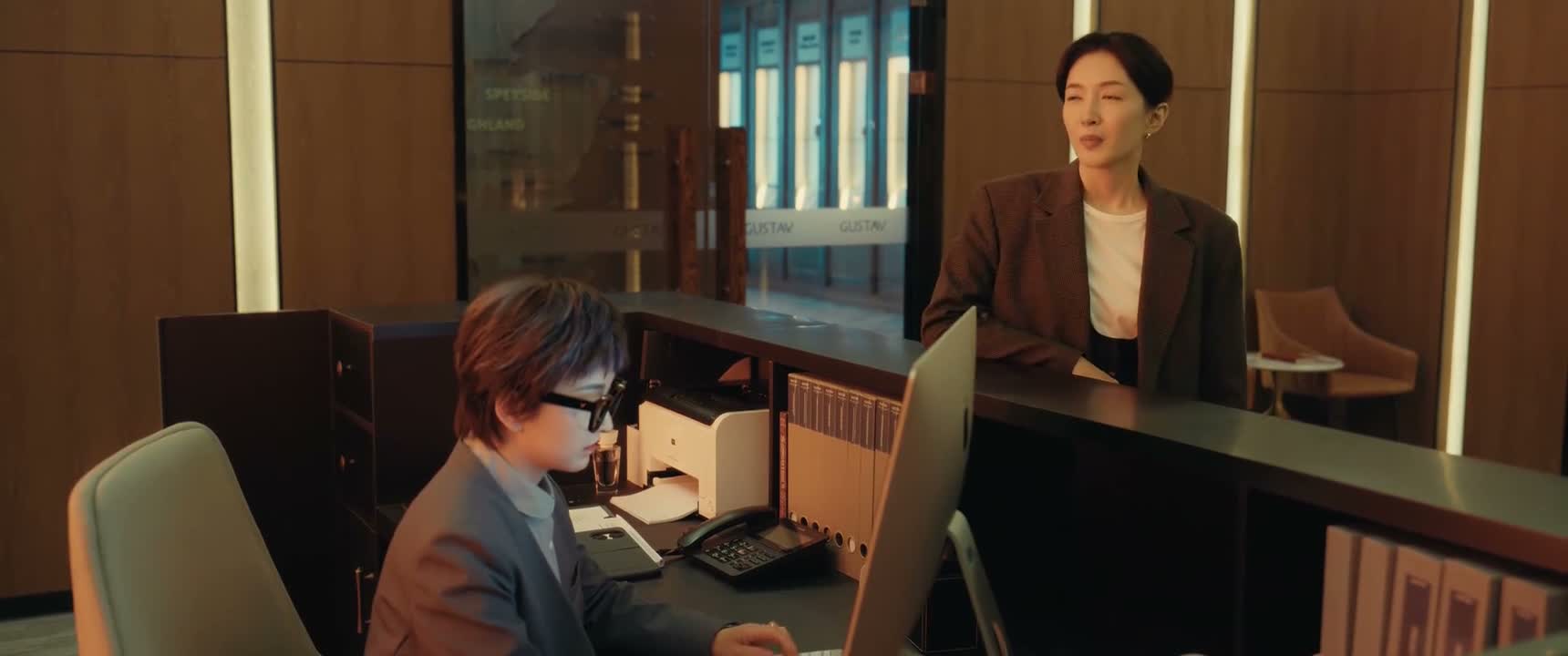
“May I ask what time do you usually finish work?”

“I'll come home on time every night.”

“Get here around 9:00 AM.”

“We still have two hours before the evening session anyway, so there's no rush to go back.”