你刚才看没看见那个门 它是那个关上的
“Did you see that door just now? It was closed.”
THE DIALOGUE REEL
“Isn't this where we saw them? Yeah.”
你刚才 看没看见 那个 门 它是 那个 关上的
“Did you see that door just now? It was closed.”
“Did they go out this way? It seems so.”
Direct spoken expression in this communicative setting.
Spoken Chinese frequently forms natural confirmation questions by pairing a verb with its negative counterpart (e.g., 看没看见) rather than adding a question particle at the end.
LEARNING CHUNKS & PARTICLES
did you see or not
A common affirmative-negative question form used in casual speech to verify visual observation.
just now / a moment ago
Used as a time adverbial referring to an event that took place seconds or minutes prior.
Functions as part of the 'shi...de' structure to emphasize the manner or state of how the door closed.
VOCABULARY & EXPRESSIONS
Parallel Spoken Cinema Scenes (语义近邻切片)

“Why is this door sealed?”

“You're a gatekeeper. Yet your mouth has no gate at all.”

“and opened the door by mistake.”
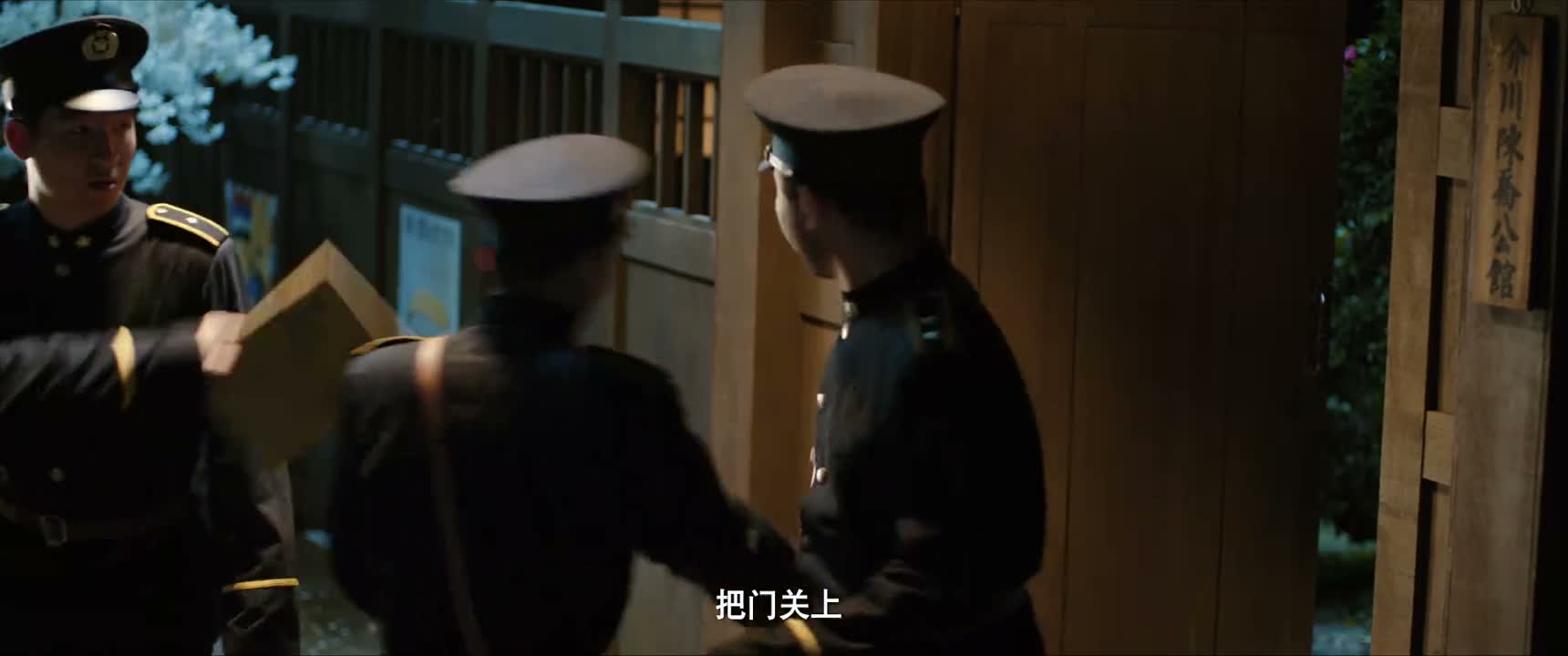
“Close the door.”
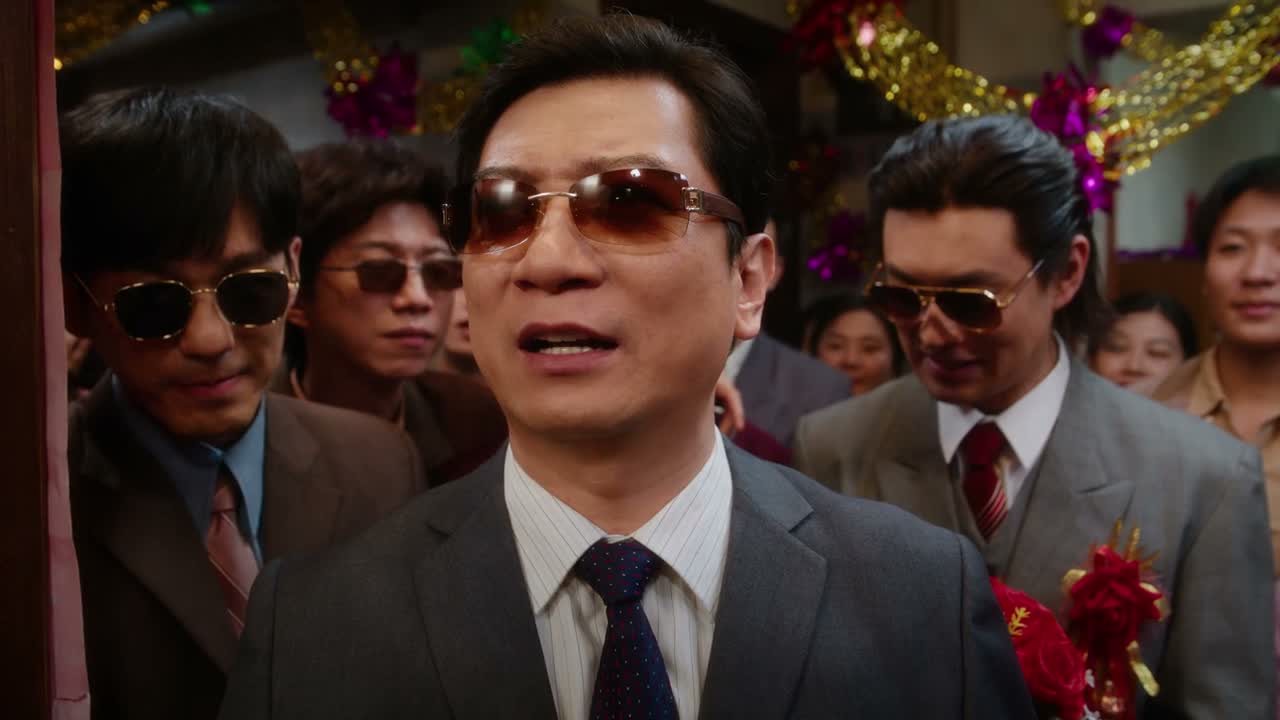
“you have to guard this door.”

“You won't need to guard the gate anymore.”