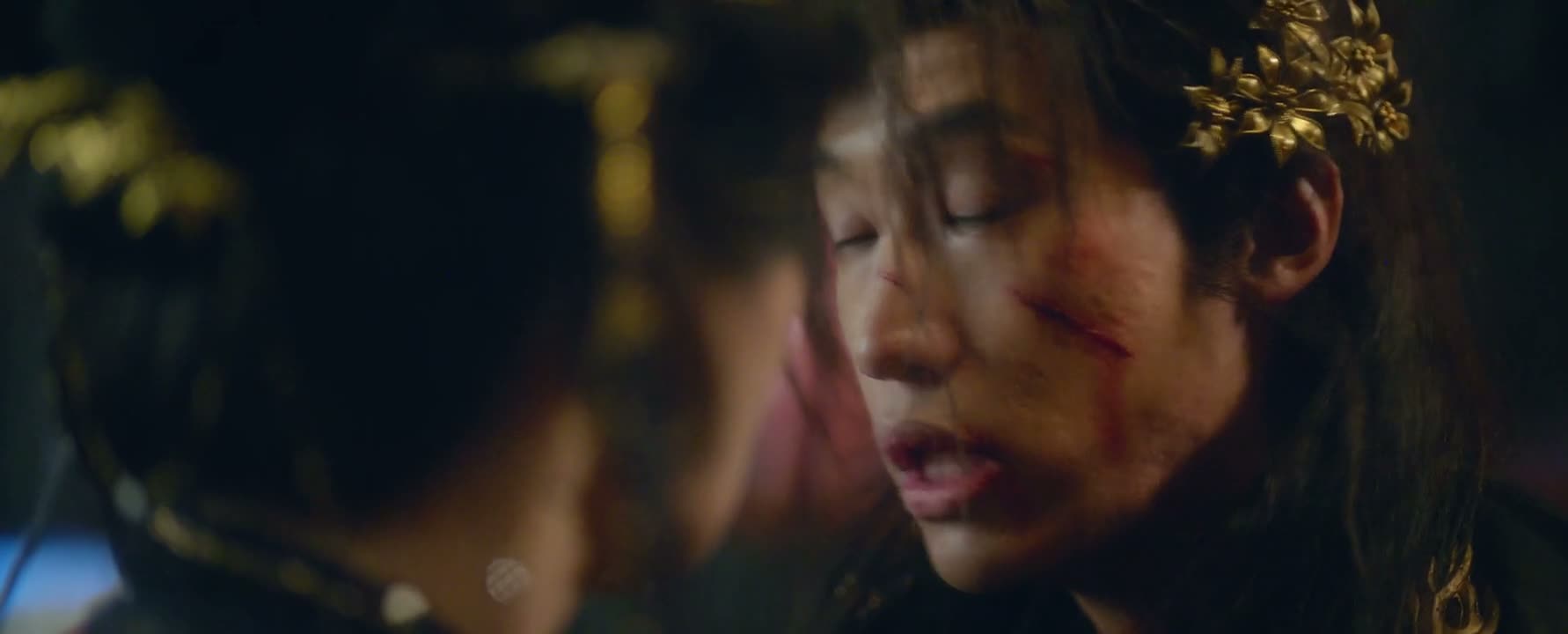
《Cage of Shadows》 S1·E6 (09:05)
HSK 4
hé nà xiē xíng shī zǒu ròu yòu yǒu shén me qū bié
和那些行尸走肉又有什么区别
“How are you any different from those walking corpses?”
《Cage of Shadows》
S1·E6
TIMECODE: 09:05
·
1080P MASTER AUDIO
THE DIALOGUE REEL
[-1] PREVIOUS TURN
nǐ rú cǐ chén nì huàn xiǎng
你如此沉溺幻想
“You're drowned in your own illusion.”
hé nà xiē xíng shī zǒu ròu yòu yǒu shén me qū bié
CURRENT FOCUS
和 那 些 行尸走肉 又有什么区别
“How are you any different from those walking corpses?”
Subtitles synced to millisecond timecode
Browse Show Clips →
Scene:
Crisis & Conflict
Function:
RHETORICAL QUESTIONING
Tone:
CONFRONTATIONAL
Emotion:
DISDAIN
WHAT THEY REALLY MEAN (PRAGMATIC SUBTEXT)
“You are wasting your life and are dead inside.”
💡 Cultural Insight: Awakening Confrontation
Harsh metaphors like '行尸走肉' are used in Chinese rhetoric to administer a sharp psychological shock meant to snap someone out of delusion.
INTENT TAGS:
#criticism
#condemnation
#provocation
#confrontation
🧩
2 CHUNKS · 0 PARTICLES
LEARNING CHUNKS & PARTICLES
行尸走肉
SPOKEN CHUNK
walking corpse / person with no drive or spirit
A powerful idiom used to describe someone living an empty, aimless, or soulless existence.
又有什么区别
SPOKEN CHUNK
what difference is there anyway
A rhetorical structure expressing that there is effectively no distinction between two things.
🏮
3 EXPR · 5 GRAMMAR
VOCABULARY & EXPRESSIONS
COLLOQUIAL EXPRESSIONS:
GRAMMAR BLUEPRINTS:
CROSS-CINEMA CORPUS BOARD · PARALLEL SCENES
EXPLORE BY SEMANTIC SIMILARITY
Parallel Spoken Cinema Scenes (语义近邻切片)

《Cage of Shadows》 S1·E6 (09:05) · Authentic Cinema Dialogue Corpus