刚刚是不是冲爸爸吼了 还推爸爸了是不是
“Did you yell at Dad just now and push him?”
THE DIALOGUE REEL
擦掉 把眼泪
“Dry your tears.”
刚刚 是不是 冲爸爸吼了 还推爸爸了 是不是
“Did you yell at Dad just now and push him?”
没没没 没有 晓晨啊 那个 刚才爸爸做得不对
“No, no. Xiaochen. I was wrong just now.”
Direct spoken expression in this communicative setting.
In traditional Chinese parenting, raising one's voice or using physical force against a father is considered a severe breach of filial piety (xiao), prompting immediate strict correction from family members.
LEARNING CHUNKS & PARTICLES
to yell at; to scream in someone's face
Used to describe an aggressive, disrespectful verbal outburst directed toward someone.
isn't that right?; did you or didn't you?
Used tag-style at the beginning or end of a sentence to press someone for an honest admission of fact.
Marks the completion of the disrespectful actions (yelling and pushing) as concrete, undeniable facts.
VOCABULARY & EXPRESSIONS
Parallel Spoken Cinema Scenes (语义近邻切片)
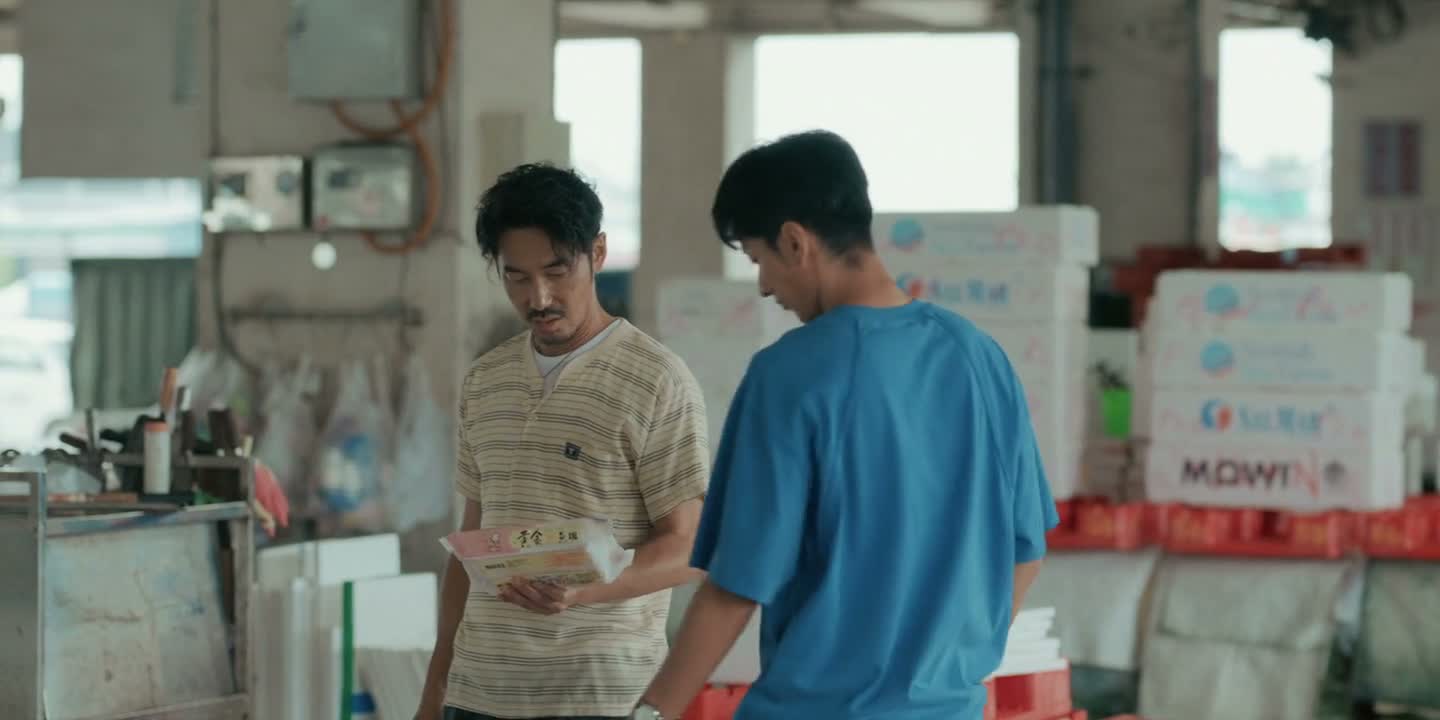
“You and your dad had a fight, didn't you?”

“I made Dad angry before.”

“Your father wouldn't want you to be reckless either, right?”

“I heard that your parents fought a lot. Do they hit you?”
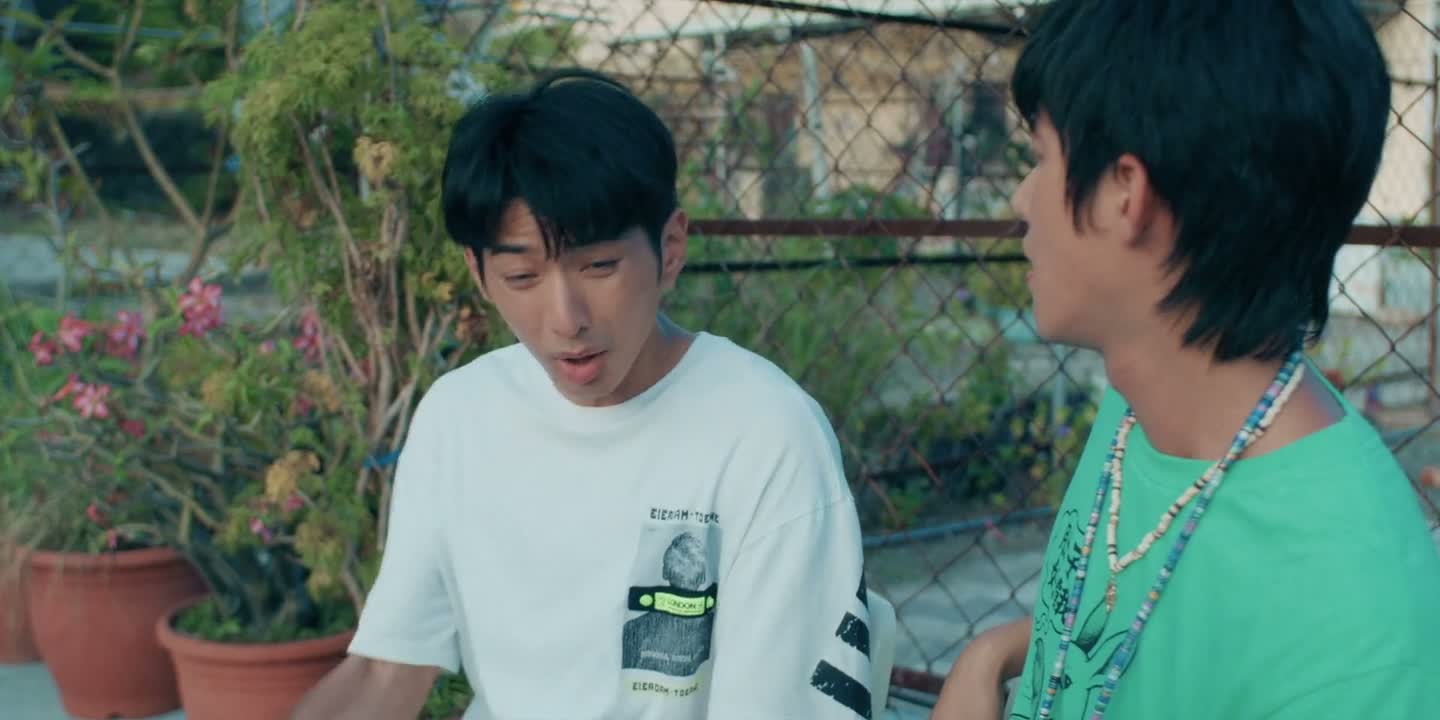
“Didn't I just tell you my dad's going to call the cops on me?”

“It's just that if I end up arguing with your father,”