MC
MandarinClips Cinema Corpus
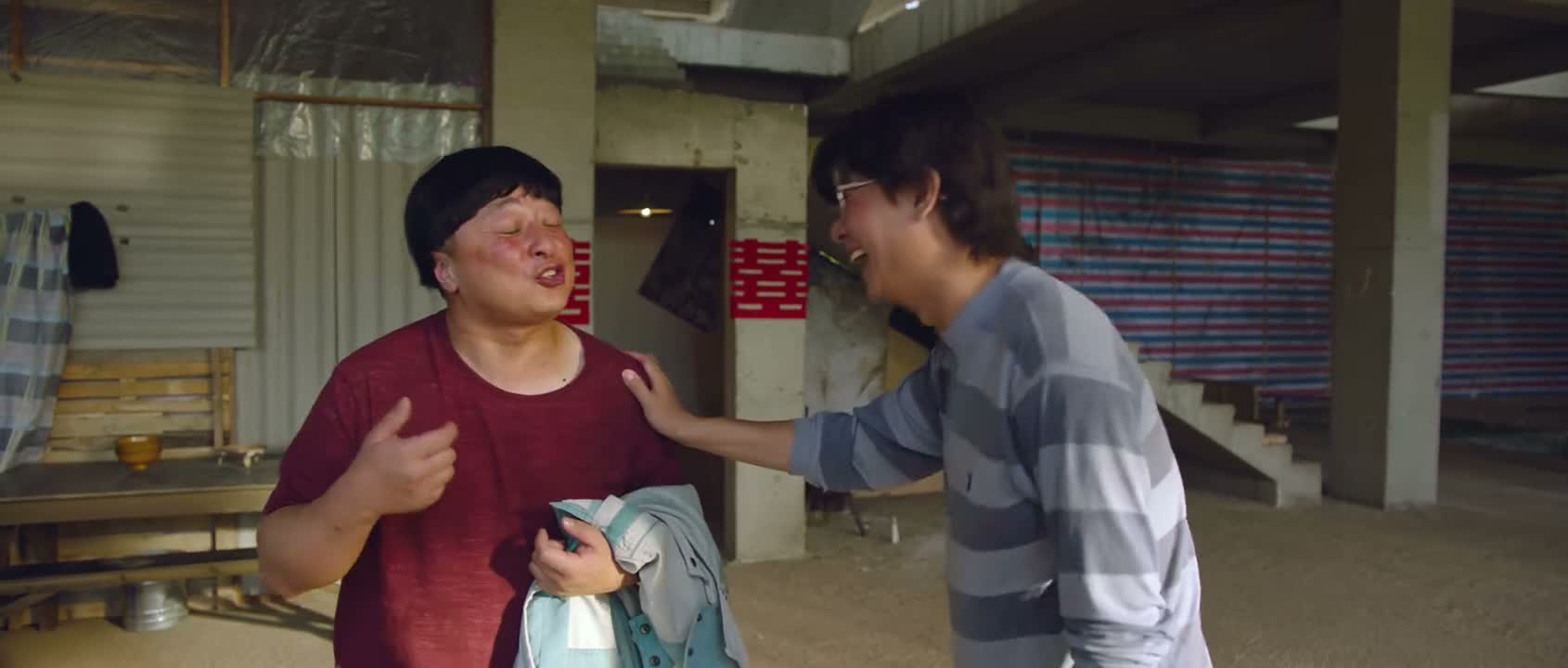
《The First Jasmine》 S1·E10 (22:37) HSK 2
huài le huài le huài le

坏了坏了坏了

“Oh no, oh no!”

《The First Jasmine》 S1·E10
TIMECODE: 22:37 · 1080P MASTER AUDIO

THE DIALOGUE REEL

1+1+1 SPOKEN CONTINUITY
[-1] PREVIOUS TURN hái xiǎng pǎo

还想跑

“Stop running!”

huài le huài le huài le CURRENT FOCUS

坏了 坏了 坏了

“Oh no, oh no!”

[+1] FOLLOW-UP TURN shī fù zhè rén zěn me yì zhí bù shuō huà ya

“Sir, why doesn't this person speak at all?”

Subtitles synced to millisecond timecode Browse Show Clips →
Scene: Crisis & Conflict
Function: EXPRESSING ALARM
Tone: FLUSTERED AND FRANTIC
Emotion: PANIC
WHAT THEY REALLY MEAN (PRAGMATIC SUBTEXT)

Direct spoken expression in this communicative setting.

💡 Cultural Insight: Repetitive exclamations in emergencies

In spoken Chinese, repeating two-character phrases three times (like '坏了坏了坏了' or '完了完了完了') highlights rising panic or helplessness.

INTENT TAGS: #alarm #panic #exclamation #distress
🧩

LEARNING CHUNKS & PARTICLES

1 CHUNKS · 1 PARTICLES
坏了 SPOKEN CHUNK

oh no; damn it; things went wrong

Used colloquially as an exclamation when discovering that a problem or mistake has suddenly occurred.

Modal Particle「了」 (le) CHANGE OF STATE

Marks a completed change of state, conveying the abrupt arrival of a negative situation.

🏮

VOCABULARY & EXPRESSIONS

1 EXPR · 0 GRAMMAR
COLLOQUIAL EXPRESSIONS:
CROSS-CINEMA CORPUS BOARD · PARALLEL SCENES

Parallel Spoken Cinema Scenes (语义近邻切片)

EXPLORE BY SEMANTIC SIMILARITY
《The First Jasmine》 S1·E10 (22:37) · Authentic Cinema Dialogue Corpus