我不该查明宫灯案是你所做
“or discover you were behind the palace lantern case,”
THE DIALOGUE REEL
“Because I wasn't supposed to find you were in on it with the Celestial Lord,”
我 不该 查明宫灯案 是你所做
“or discover you were behind the palace lantern case,”
“or use an investigation to bring you to justice?”
“You blame me only because I exposed your crimes, but I did the right thing.”
Framing one's duty as a potential fault ('Was I wrong to...') is a classic rhetorical device in Chinese disputes to expose the moral corruption of an opponent.
LEARNING CHUNKS & PARTICLES
to investigate and clarify; to ascertain
Commonly used in formal, investigative, or legal contexts when discovering the truth of an incident.
should not; ought not to
Used here in a rhetorical self-reproach frame to highlight the opponent's absurd blame.
VOCABULARY & EXPRESSIONS
Parallel Spoken Cinema Scenes (语义近邻切片)
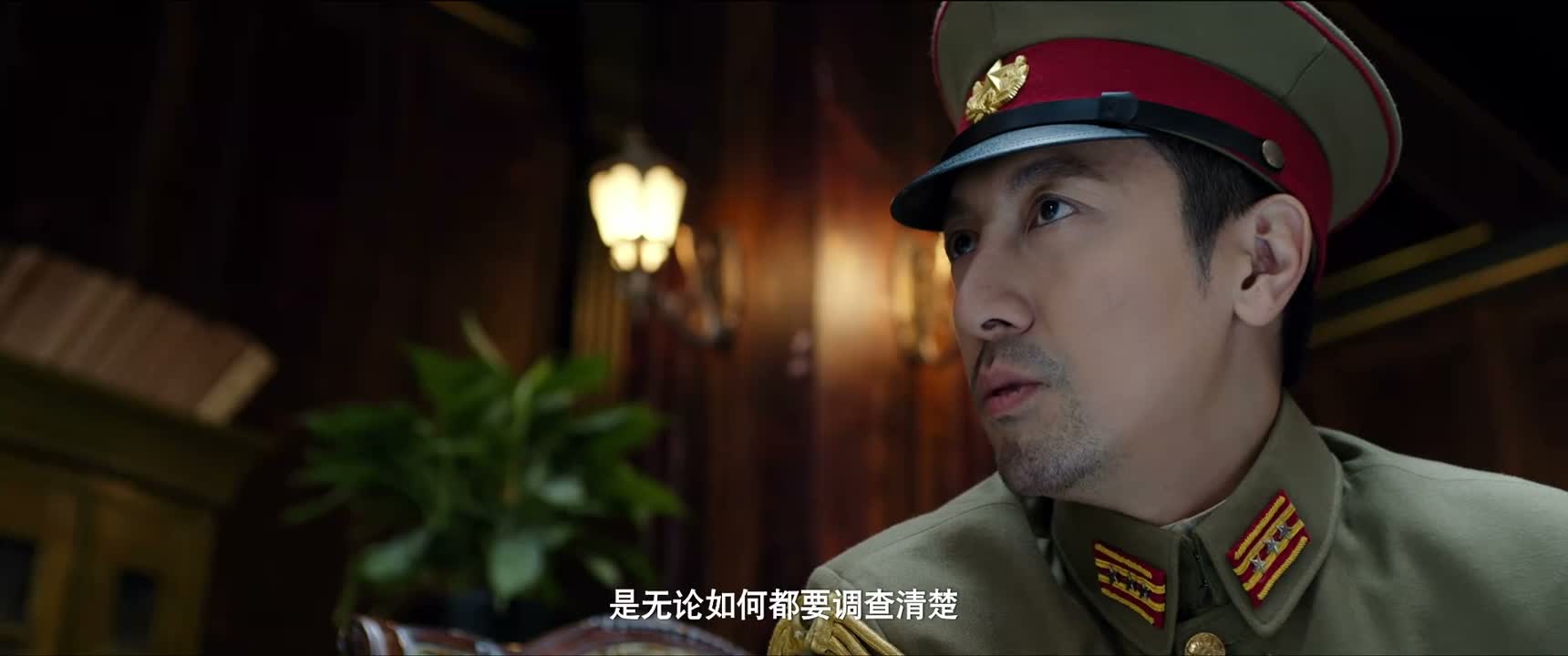
“is to investigate thoroughly, no matter what,”

“As long as we get to the bottom of this, there's no problem.”

“whether true or false, it needs further investigation.”
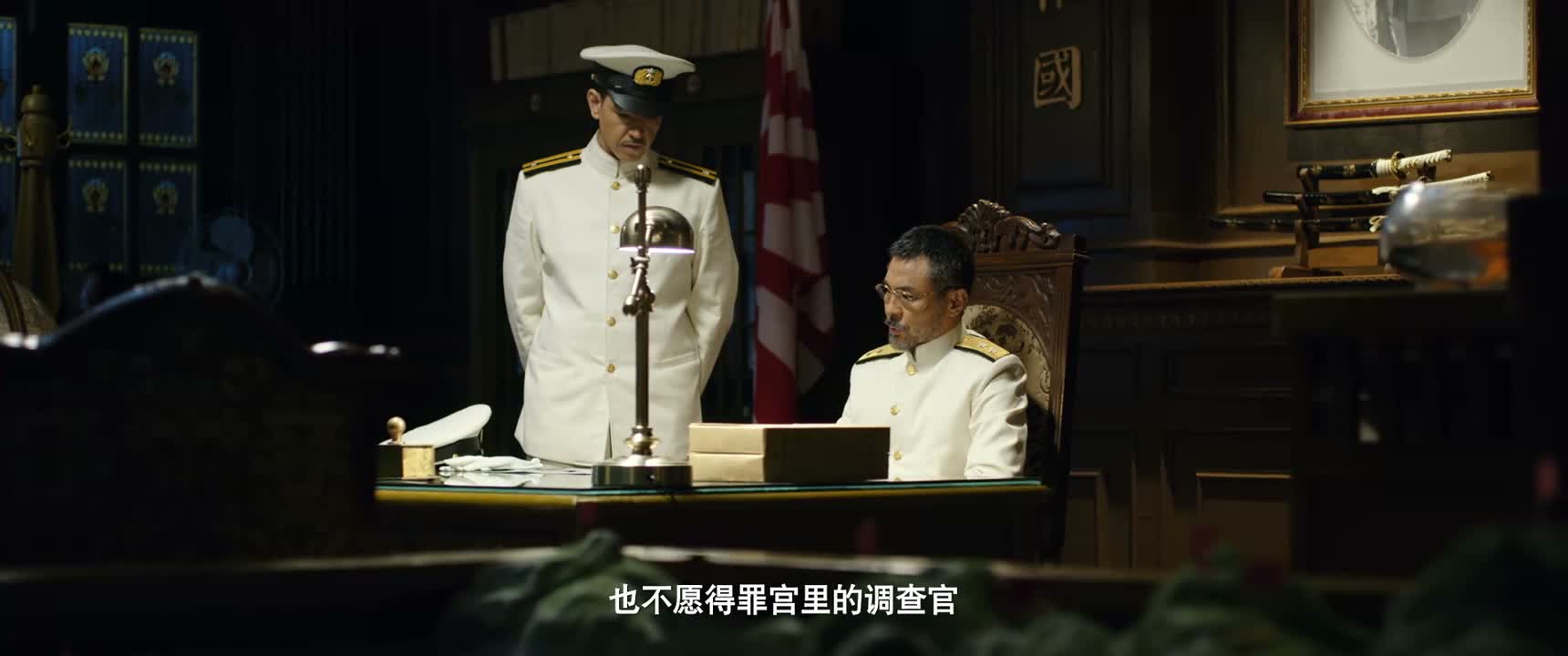
“and I don't wish to offend the investigator from the Palace”