MC
MandarinClips Cinema Corpus
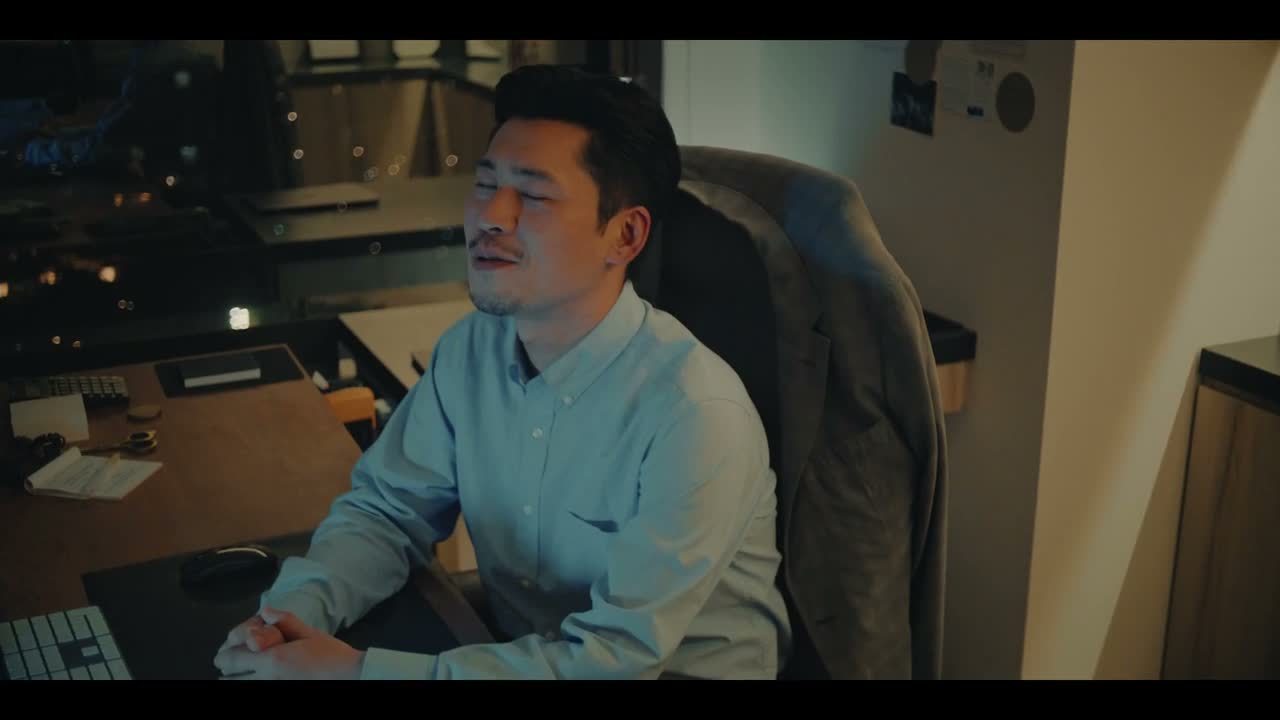
《Born to Be Alive》 S1·E2 (22:25) HSK 6
bó lā mù lā bú shì nǐ yí gè rén de nǐ zài zhè ér chěng shén me yīng xióng

博拉木拉 不是你一个人的 你在这儿逞什么英雄

“Bolamula doesn't belong to you alone. Stop playing the hero.”

《Born to Be Alive》 S1·E2
TIMECODE: 22:25 · 1080P MASTER AUDIO

THE DIALOGUE REEL

1+1+1 SPOKEN CONTINUITY
[-1] PREVIOUS TURN nǐ zhè me shuō shì shén me yì si

你这么说是什么意思

“what do you mean by that?”

bó lā mù lā bú shì nǐ yí gè rén de nǐ zài zhè ér chěng shén me yīng xióng CURRENT FOCUS

博拉木拉 不是 你 一个人 的 你 在这 儿 逞什么英雄

“Bolamula doesn't belong to you alone. Stop playing the hero.”

[+1] FOLLOW-UP TURN hǎo le

好了

“Enough.”

Subtitles synced to millisecond timecode Browse Show Clips →
Scene: Crisis & Conflict
Function: CHASTISING
Tone: SCATHING
Emotion: ANGER
WHAT THEY REALLY MEAN (PRAGMATIC SUBTEXT)
“Stop acting like you're our lone savior; you're being selfish and reckless.”
💡 Cultural Insight: Rejection of Individual Heroism (反个人英雄主义)

In Chinese collective culture, solo heroics ('逞英雄') are often viewed negatively as self-indulgent, reckless bravado that jeopardizes group solidarity and safety.

INTENT TAGS: #reprimand #criticism #deflating_ego #collectivism
🧩

LEARNING CHUNKS & PARTICLES

2 CHUNKS · 1 PARTICLES
不是你一个人的 SPOKEN CHUNK

doesn't belong to you alone / isn't solely your responsibility

Used to remind someone that a place, responsibility, or matter belongs to the collective.

逞什么英雄 SPOKEN CHUNK

playing the hero / acting bravado

A highly critical expression reprimanding someone who takes foolish or unauthorized solo risks to show off.

Modal Particle「的」 (de) CHANGE OF STATE

Functions here in an emphatic nominalization construction stressing possession or attribution.
🏮

VOCABULARY & EXPRESSIONS

4 EXPR · 1 GRAMMAR
CROSS-CINEMA CORPUS BOARD · PARALLEL SCENES

Parallel Spoken Cinema Scenes (语义近邻切片)

EXPLORE BY SEMANTIC SIMILARITY
《Born to Be Alive》 S1·E2 (22:25) · Authentic Cinema Dialogue Corpus