我都带够了 这不胡闹吗
“I‘ve brought enough. That's ridiculous.”
THE DIALOGUE REEL
吃的 用的 还有油
“Food, supplies, and fuel—”
我都带 够了 这不胡闹吗
“I‘ve brought enough. That's ridiculous.”
你里面一遇到暴风雪
“If you run into a blizzard in there,”
“Stop micromanaging me and piling on extra junk; I already have plenty.”
Using the '这不...吗' structure turns a statement into an emphatic rhetorical challenge, directly questioning the rationality of the other party's demands.
LEARNING CHUNKS & PARTICLES
brought enough
Resultative structure indicating that one's inventory or provisions are sufficient.
fool around / act ridiculously
Used to reprimand or dismiss an action or request as irrational, reckless, or absurd.
Marks completed status and emphasizes sufficiency in '带够了'.
Forms a rhetorical question ('这不胡闹吗') to strongly convey indignation rather than genuinely asking for an answer.
VOCABULARY & EXPRESSIONS
Parallel Spoken Cinema Scenes (语义近邻切片)

“No, we don't want to go overboard.”
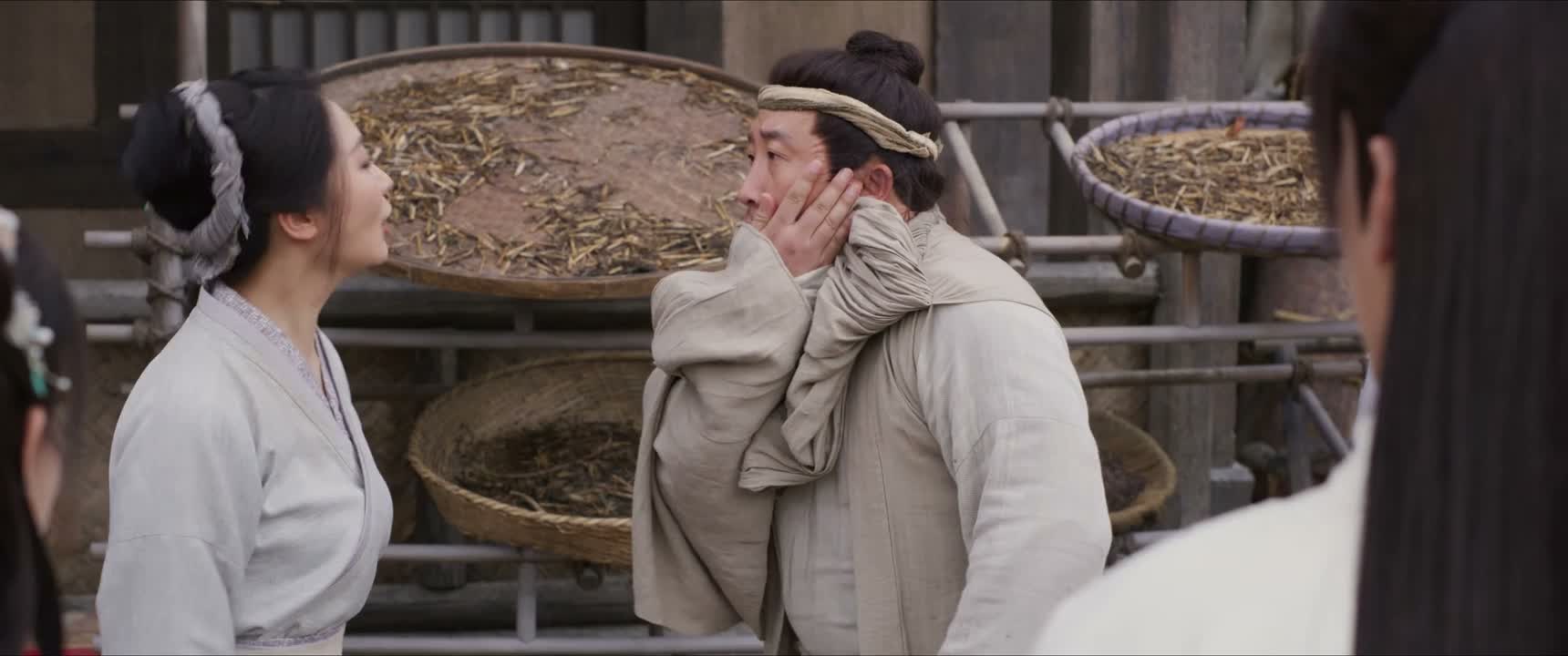
“Enough! When can you stop this kerfuffle?”

“I meet both, right? I joined at 14.”

“I'm already overwhelmed.”

“Not friendly at all. Don't, okay? Just for a bit. Come on.”

“bowls of congee.”