MC
MandarinClips Cinema Corpus
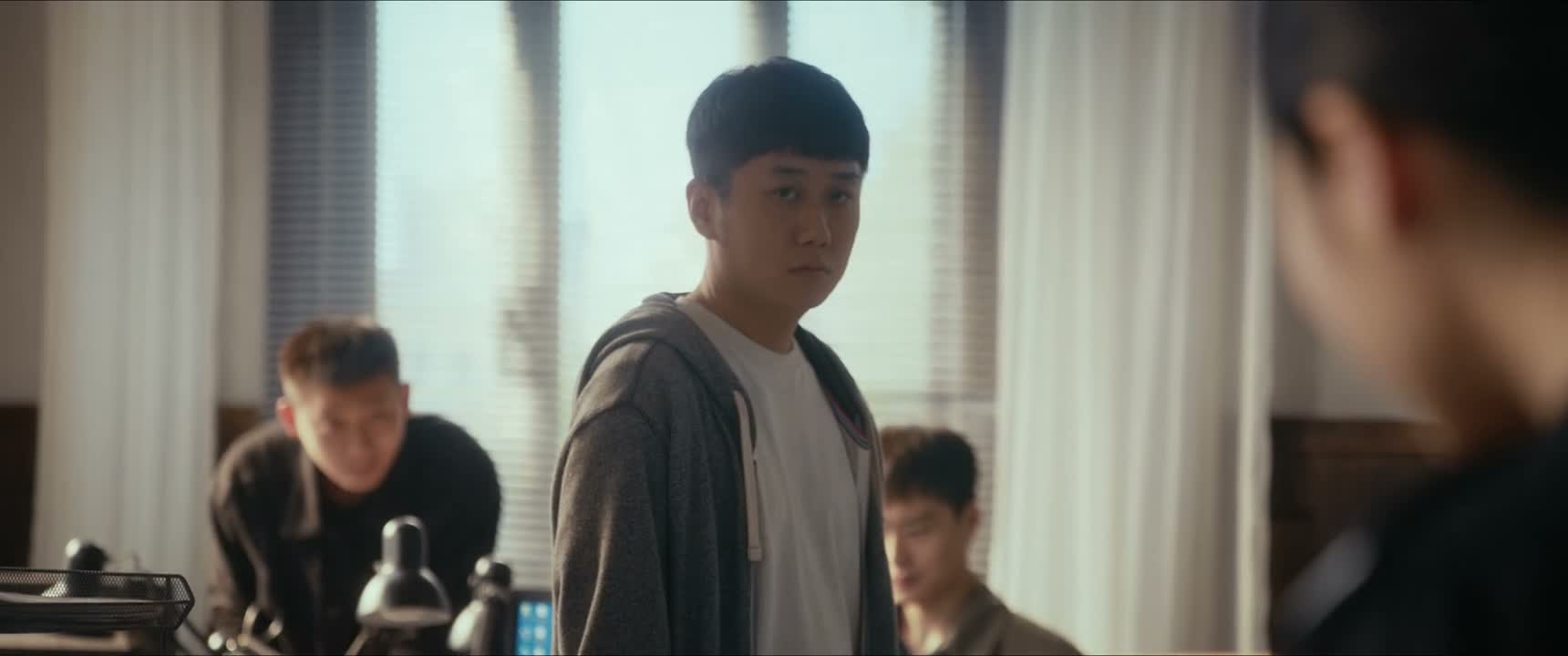
《The Knockout》 S1·E13 (11:36) HSK 5
huā nà yuān wǎng qián gàn shén me ya

花那冤枉钱干什么呀

“Why waste money? I can drive.”

《The Knockout》 S1·E13
TIMECODE: 11:36 · 1080P MASTER AUDIO

THE DIALOGUE REEL

1+1+1 SPOKEN CONTINUITY
[-1] PREVIOUS TURN wǒ jiù gēn nǐ shuō ma zhǎo gè sī jī zhǎo gè sī jī fēi bù tīng

我就跟你说嘛 找个司机 找个司机 非不听

“I told you many times to hire a driver, but you wouldn't listen.”

huā nà yuān wǎng qián gàn shén me ya CURRENT FOCUS

花那 冤枉 钱 干什么呀

“Why waste money? I can drive.”

[+1] FOLLOW-UP TURN zhè bú shì qián bù qián de shì ér nǐ xiàn zài shì jí tuán de zǒng jīng lǐ

这不是钱不钱的事儿 你现在是集团的总经理

“It's not about money. You're the general manager of the group now.”

Subtitles synced to millisecond timecode Browse Show Clips →
Scene: Workplace
Function: DISMISSING SUGGESTION
Tone: DISMISSIVE
Emotion: ANNOYANCE
WHAT THEY REALLY MEAN (PRAGMATIC SUBTEXT)
“Hiring a driver is a total waste of money, and I can manage fine on my own.”
💡 Cultural Insight: Frugality vs Executive Status

Newly elevated executives in China often struggle between ingrained habits of personal thrift and the external expectation to project corporate status.

INTENT TAGS: #rejection #frugality #dismissal #protest
🧩

LEARNING CHUNKS & PARTICLES

2 CHUNKS · 1 PARTICLES
冤枉钱 SPOKEN CHUNK

money spent unnecessarily or wasted

Commonly combined with verbs like 花 to complain about bad investments, scams, or unnecessary expenses.

干什么呀 SPOKEN CHUNK

why do that; what's the point of doing that

A colloquial rhetorical question used to object to someone's proposal or action.

Modal Particle「呀」 (ya) CHANGE OF STATE

Softens the blunt rhetorical question while maintaining a colloquial, protesting tone.
🏮

VOCABULARY & EXPRESSIONS

2 EXPR · 0 GRAMMAR
CROSS-CINEMA CORPUS BOARD · PARALLEL SCENES

Parallel Spoken Cinema Scenes (语义近邻切片)

EXPLORE BY SEMANTIC SIMILARITY
《The Knockout》 S1·E13 (11:36) · Authentic Cinema Dialogue Corpus