你打得过露芜衣和雾妄言吗?
“Can you beat Lu Wuyi and Wu Wangyan?”
THE DIALOGUE REEL
小唯我们是要带回侍鳞宗的
“Xiaowei is coming with us.”
你 打得过 露芜衣和雾妄言吗?
“Can you beat Lu Wuyi and Wu Wangyan?”
你和我
“You and me”
“You don't stand a chance against them, so stop talking like this mission is simple.”
In martial arts narratives (Jianghu/Xianxia), directly asking if someone can beat named martial masters is a standard conversational tactic to shatter naive overconfidence and enforce pragmatic realism.
LEARNING CHUNKS & PARTICLES
capable of defeating / able to win in a fight
A potential complement structure used constantly in martial or competitive contexts to express the ability to triumph over an opponent.
Transforms the statement into a direct yes-no query, functioning rhetorically here to cast heavy doubt on the other person's capability.
VOCABULARY & EXPRESSIONS
Parallel Spoken Cinema Scenes (语义近邻切片)

“Looks like Lu Wuyi is even more formidable than we thought.”
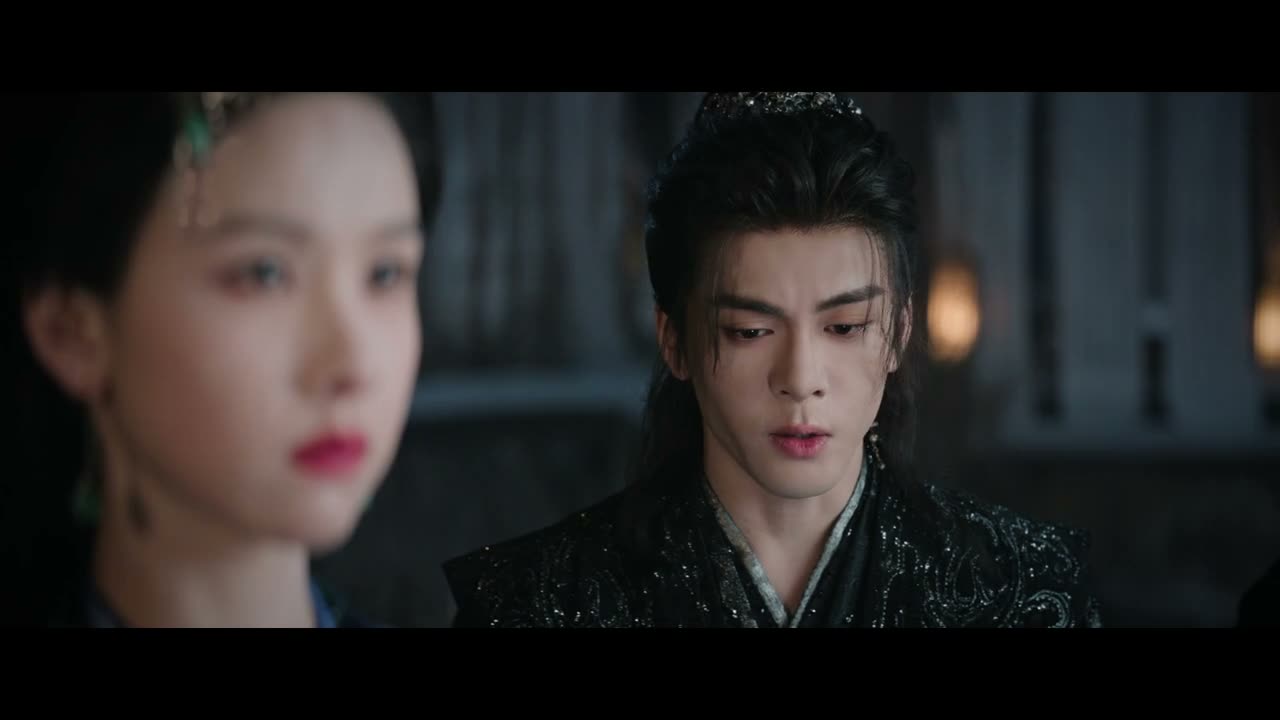
“Why don't you suspect Lu Wuyi?”

“Lu Wuyi really is fearless.”

“Haven't you noticed anything strange about her?”

“to Lu Wuyi?”
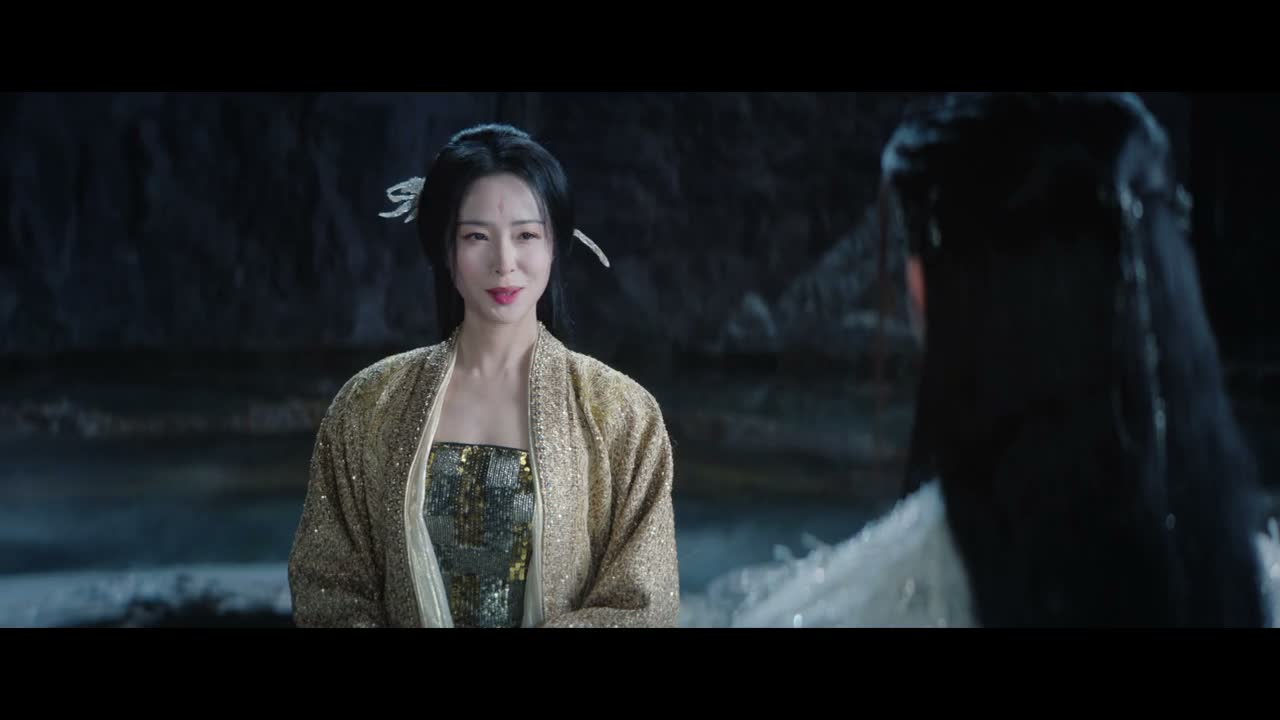
“You actually think Lu Wuyi likes you?”