MC
MandarinClips Cinema Corpus
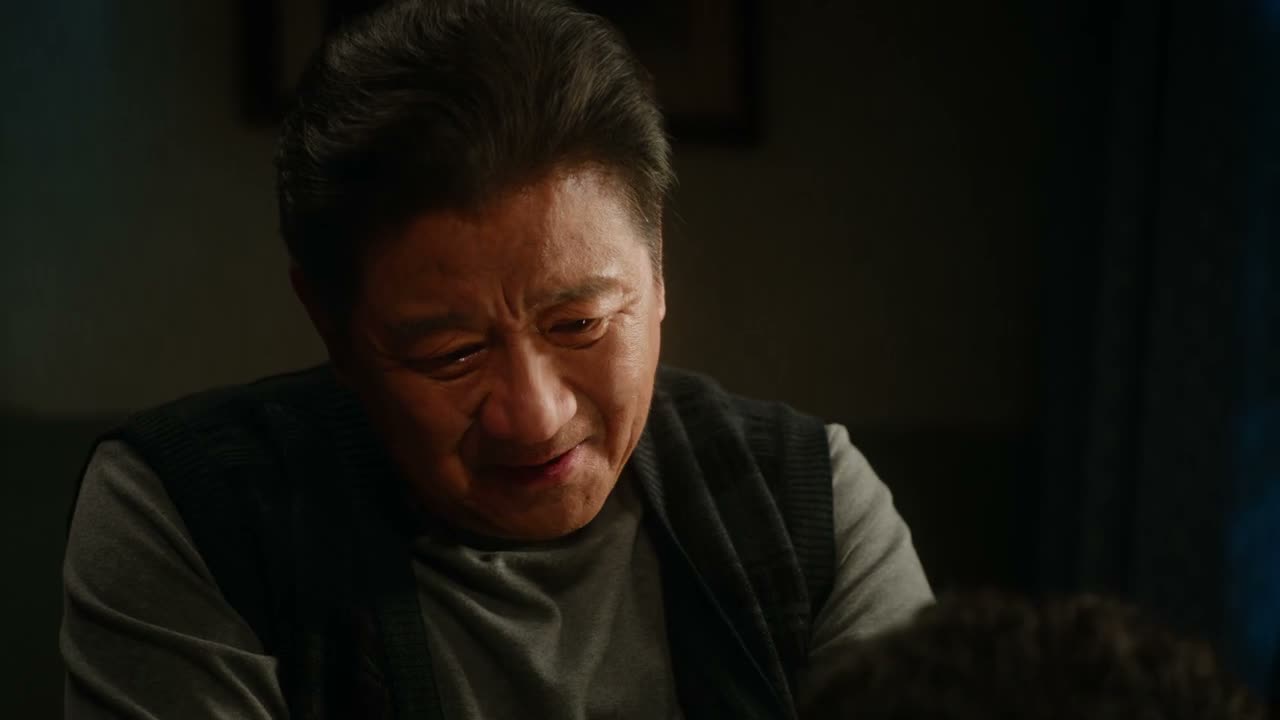
《The Lead》 S1·E32 (10:25) HSK 3
kàn nǐ men zhè bāng zi jiù shì qiàn zòu zǎ yòu lái le ne

看你们这帮子就是欠揍 咋又来了呢

“You're just asking for a beating! He's here again?”

《The Lead》 S1·E32
TIMECODE: 10:25 · 1080P MASTER AUDIO

THE DIALOGUE REEL

1+1+1 SPOKEN CONTINUITY
[-1] PREVIOUS TURN nǐ men zhè bāng rén xiǎng zào fǎn shì bú shì

“You guys want to rebel, huh?”

kàn nǐ men zhè bāng zi jiù shì qiàn zòu zǎ yòu lái le ne CURRENT FOCUS

看你 们这帮子 就是 欠揍 咋又来了 呢

“You're just asking for a beating! He's here again?”

[+1] FOLLOW-UP TURN nǐ jiù nǐ hái yào yǎn zhǔ jué

“You? You're playing the lead?”

Subtitles synced to millisecond timecode Browse Show Clips →
Scene: Crisis & Conflict
Function: VERBAL INTIMIDATION
Tone: AGGRESSIVE
Emotion: ANGER
WHAT THEY REALLY MEAN (PRAGMATIC SUBTEXT)
“Back off right now before I lose my temper and beat you all up.”
💡 Cultural Insight: Confrontational Toughness (叫嚣恐吓)

Using colloquial threats like '欠揍' reflects aggressive spoken posture intended to psychologically intimidate adversaries into submission without necessarily striking immediately.

INTENT TAGS: #intimidation #threat #provocation #annoyance
🧩

LEARNING CHUNKS & PARTICLES

2 CHUNKS · 1 PARTICLES
欠揍 SPOKEN CHUNK

asking for a beating; deserving a thrashing

A highly colloquial, provocative insult used to confront someone exhibiting insolent or irritating behavior.

这帮子 SPOKEN CHUNK

this gang; this whole bunch of people

A dismissive and derogatory spoken classifier phrase for referring to an unwanted group.

Modal Particle「呢」 (ne) CHANGE OF STATE

Expresses rhetorical exasperation and bewilderment in a frustrated question.
🏮

VOCABULARY & EXPRESSIONS

4 EXPR · 0 GRAMMAR
CROSS-CINEMA CORPUS BOARD · PARALLEL SCENES

Parallel Spoken Cinema Scenes (语义近邻切片)

EXPLORE BY SEMANTIC SIMILARITY
《The Lead》 S1·E32 (10:25) · Authentic Cinema Dialogue Corpus