咋了 还要打人啊
“What? You wanna hit someone?”
THE DIALOGUE REEL
不敢 不敢
“Don't do this.”
咋了 还要 打人 啊
“What? You wanna hit someone?”
“- Stop! - I'll hit you outsiders! - What are you doing? - Stop! Stop!”
“You think you can intimidate me with physical violence? Try me.”
Publicly accusing someone of 'hitting people' (打人) strips them of moral high ground, as Chinese social norms strictly condemn physical escalation.
LEARNING CHUNKS & PARTICLES
what's wrong? / what's up?
A highly colloquial and slightly abrasive northern/dialectal opening in a confrontation.
thinking of hitting someone? / planning to get physical?
A rhetorical challenge used to call out someone getting physically aggressive.
Functions as part of the fixed interrogative chunk '咋了', signaling sudden change or urgency in tone.
Heightens the rhetorical challenge and defiant tone of the question.
VOCABULARY & EXPRESSIONS
Parallel Spoken Cinema Scenes (语义近邻切片)
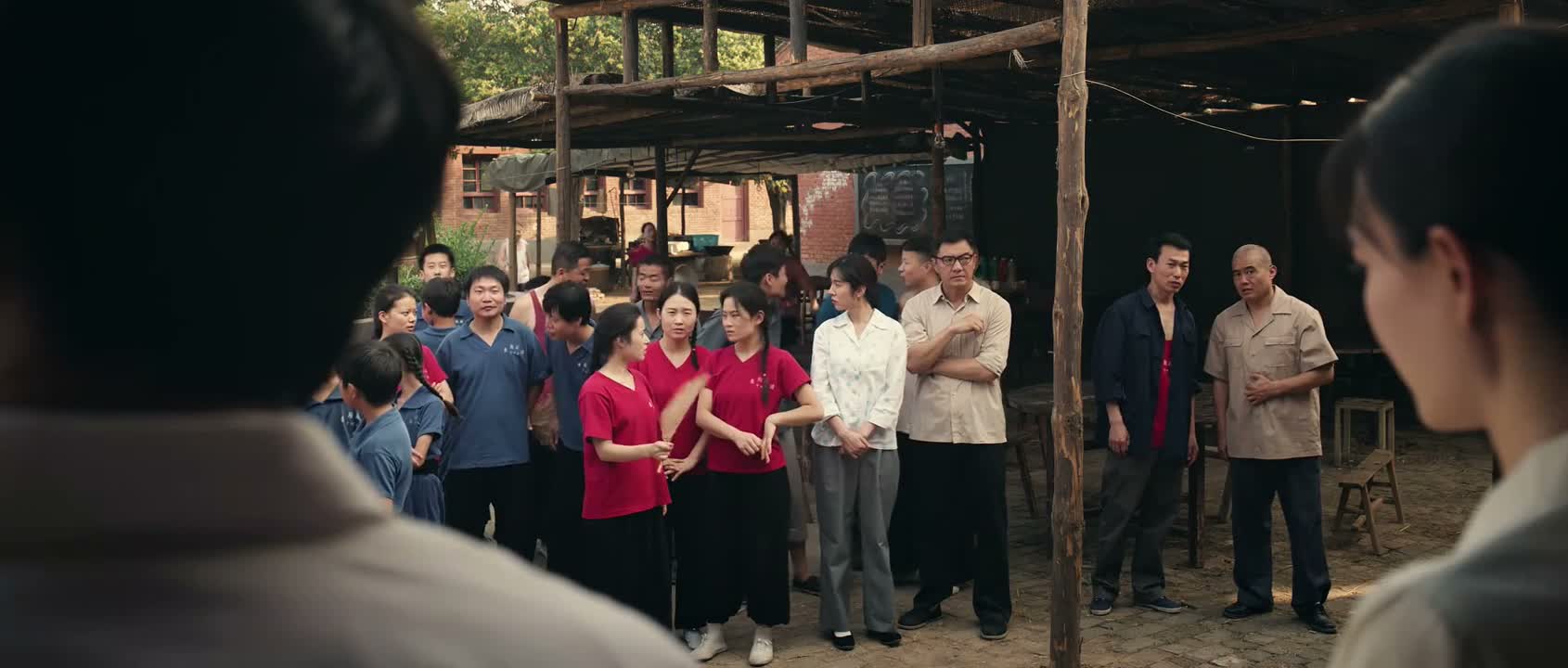
“What's going on? Someone's in trouble.”
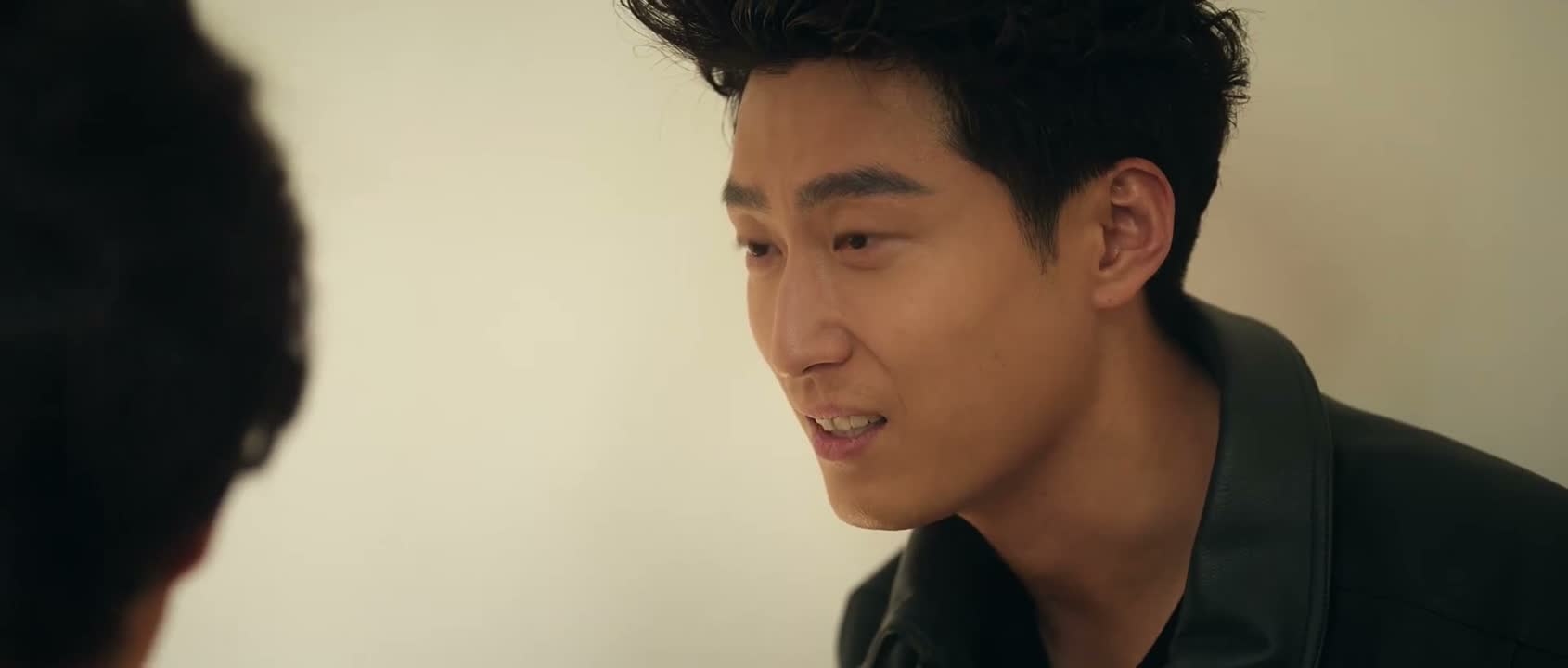
“What? Not happy to see me?”
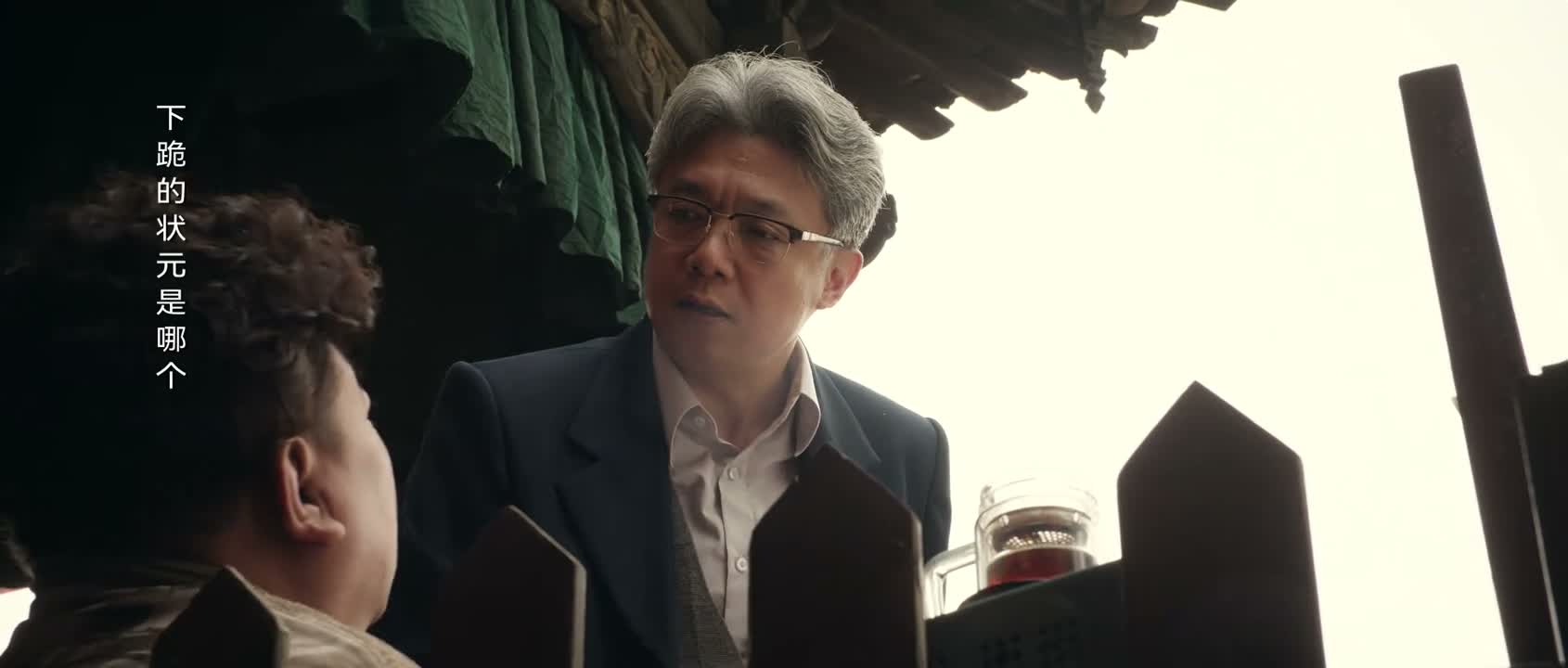
“What's wrong? What are you doing?”

“Seems like they were warned in advance.”
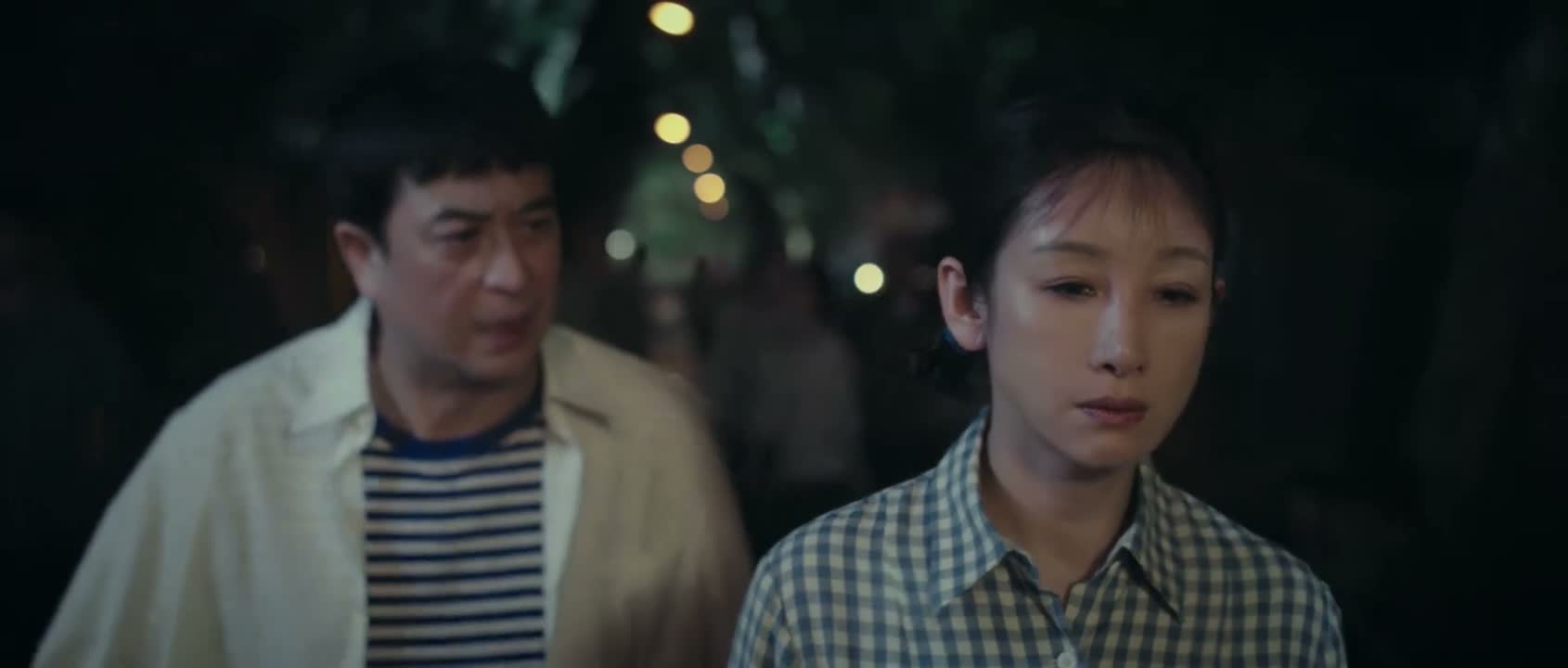
“What's wrong? Who upset you?”

“What's wrong? On stage, you're passionately in love with others. Why not with me?”