我在家实在闲不住嘛
“I really can't stay idle at home.”
THE DIALOGUE REEL
我在 家实在 闲不住 嘛
“I really can't stay idle at home.”
来的都是老客人
“The customers are all regulars,”
“Don't fuss over me; staying home doing nothing drives me crazy.”
In Chinese culture, older generations or traditional small-business owners often feel guilty or uncomfortable resting, equating physical rest with uselessness.
LEARNING CHUNKS & PARTICLES
really, honestly, simply
Used as an adverb before verbs or adjectives to emphasize genuine feeling or unavoidable reality.
cannot stay idle, always needing to be busy
A common colloquial complement structure used to describe hardworking or restless individuals.
Softens the justification by presenting the reason as obvious, natural, and understandable.
VOCABULARY & EXPRESSIONS
Parallel Spoken Cinema Scenes (语义近邻切片)
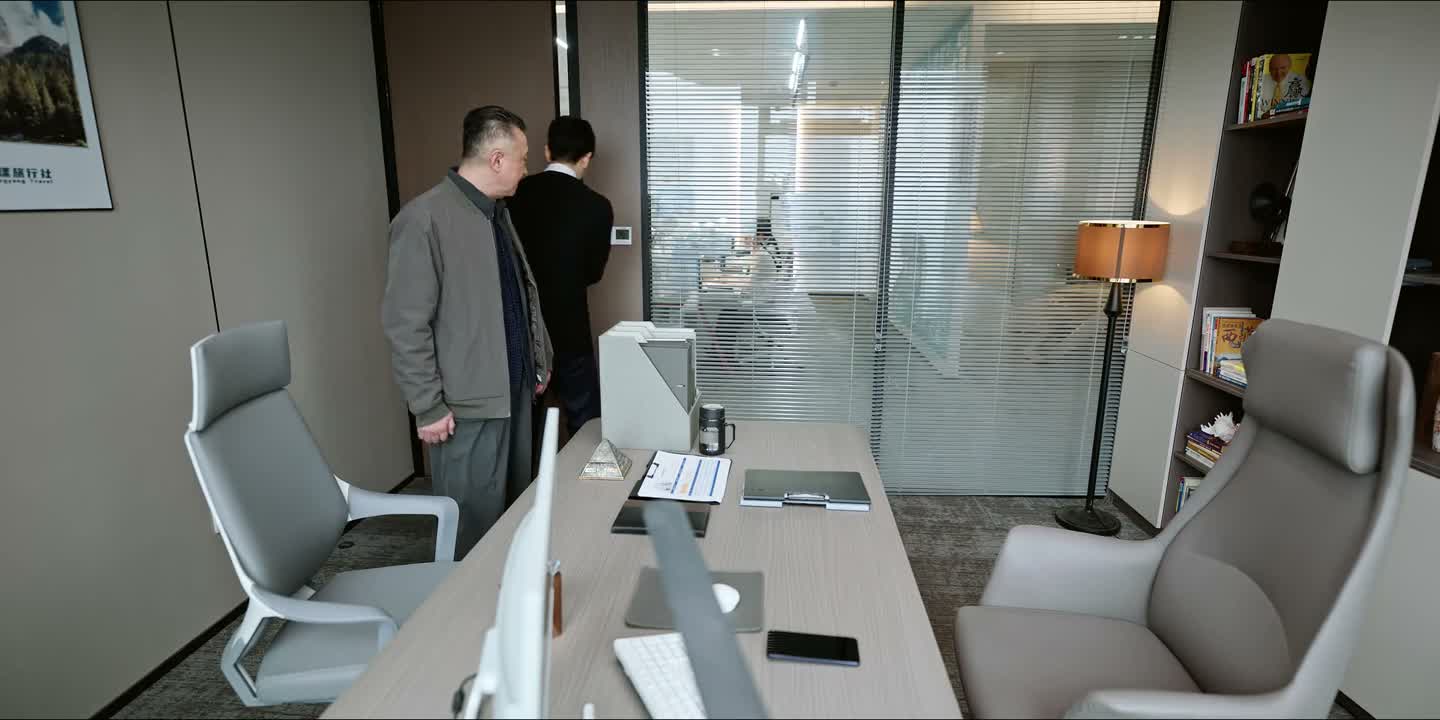
“We had nothing to do at home anyway.”

“I have nothing to do. Then what should I do?”

“I've got nothing else to do anyway.”

“Do I look that idle? You came at midnight and expect me to cook for you?”

“for half a year, right?”
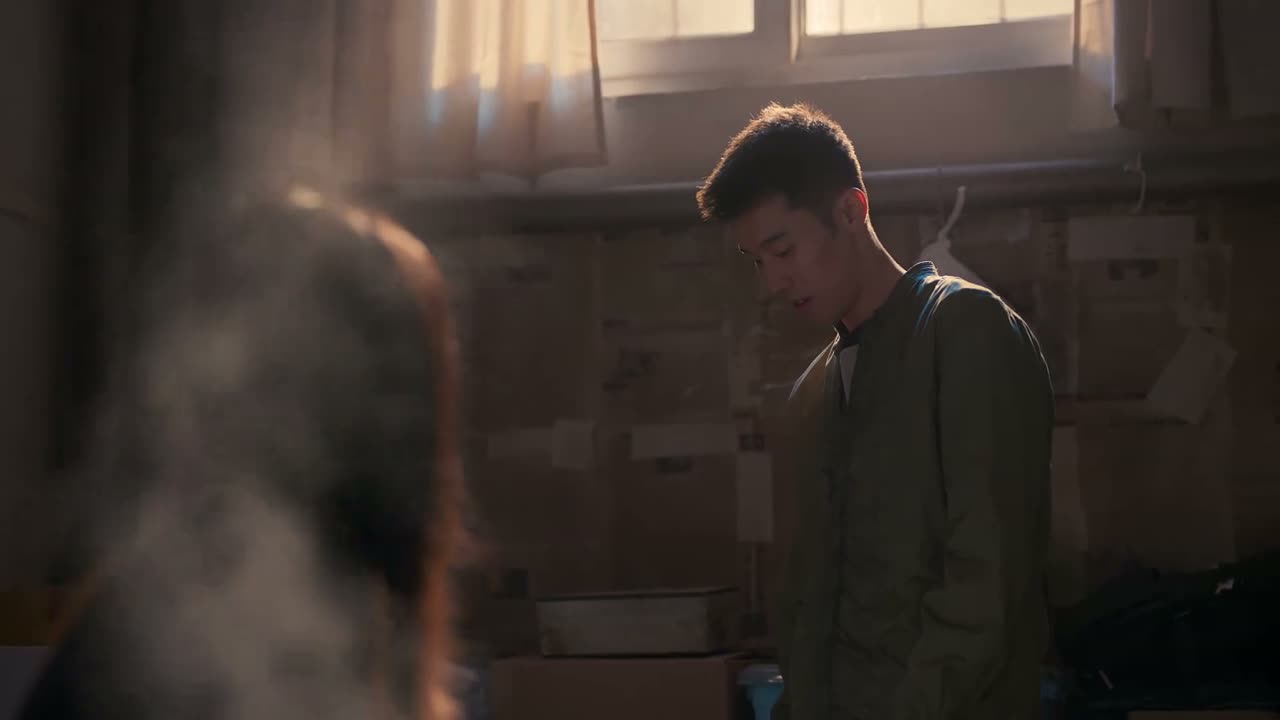
“What do you mean?”