MC
MandarinClips Cinema Corpus
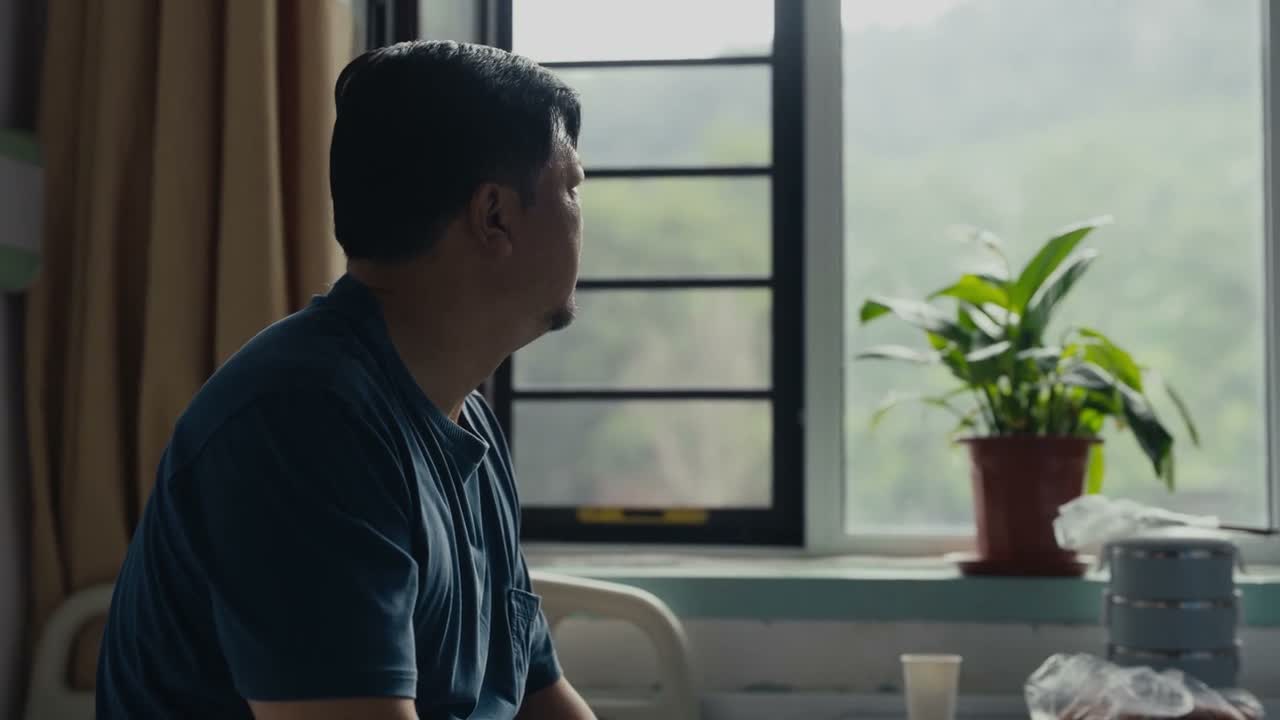
《Our Dazzling Days》 S1·E16 (35:21) HSK 3
nà wǒ tiān tiān gēn nǐ jiā yòu chī yòu hē de

那我天天跟你家又吃又喝的

“I eat and drink at your place every day—”

《Our Dazzling Days》 S1·E16
TIMECODE: 35:21 · 1080P MASTER AUDIO

THE DIALOGUE REEL

1+1+1 SPOKEN CONTINUITY
[-1] PREVIOUS TURN bú shì zhè shá huà ná wǒ qián zěn me le

“What kind of talk is that? What's wrong with taking my money?”

nà wǒ tiān tiān gēn nǐ jiā yòu chī yòu hē de CURRENT FOCUS

那 我 天天 跟你家 又 吃 又 喝的

“I eat and drink at your place every day—”

[+1] FOLLOW-UP TURN wǒ xiào jìng xiào jìng nǐ zěn me le

我孝敬孝敬你怎么了

“what's wrong with me giving you some money?”

Subtitles synced to millisecond timecode Browse Show Clips →
Scene: Family & Home
Function: JUSTIFYING ACTIONS
Tone: ASSERTIVE
Emotion: DEFENSIVENESS
WHAT THEY REALLY MEAN (PRAGMATIC SUBTEXT)
“You feed me every day, so don't make a big deal about sharing money between us.”
💡 Cultural Insight: Familial Reciprocity (不分彼此)

In close Chinese family dynamics, strict financial boundaries are often blurred by continuous reciprocal care, making overt scorekeeping feel cold or unnecessary.

INTENT TAGS: #justification #defensiveness #rationalization #reciprocity
🧩

LEARNING CHUNKS & PARTICLES

2 CHUNKS · 1 PARTICLES
又吃又喝 SPOKEN CHUNK

both eating and drinking; freeloading or indulging

Use this lively spoken idiom to describe constantly consuming meals somewhere, often casually or self-deprecatingly.

天天跟 SPOKEN CHUNK

every day with / at someone's place

A common colloquial pattern in northern Mandarin indicating continuous, daily interaction at someone's home.

Modal Particle「的」 (de) CHANGE OF STATE

Functions as a nominalizer and sentence-final marker asserting an ongoing factual state of affairs.
🏮

VOCABULARY & EXPRESSIONS

1 EXPR · 3 GRAMMAR
COLLOQUIAL EXPRESSIONS:
CROSS-CINEMA CORPUS BOARD · PARALLEL SCENES

Parallel Spoken Cinema Scenes (语义近邻切片)

EXPLORE BY SEMANTIC SIMILARITY
《Our Dazzling Days》 S1·E16 (35:21) · Authentic Cinema Dialogue Corpus