我说警察同志 你怎么这样讲话的
“Officer, how could you talk to me like that?”
THE DIALOGUE REEL
“Cut the crap. Show me your ID card!”
我说 警察同志 你怎么这样讲话 的
“Officer, how could you talk to me like that?”
身份证
“ID card.”
“Show some basic respect instead of treating me like a criminal.”
While 'tongzhi' has fallen out of daily usage among younger citizens, 'jingcha tongzhi' remains the universal, politically correct, and respectful address for police personnel.
LEARNING CHUNKS & PARTICLES
comrade police officer; officer
A standard, respectful, yet assertive spoken vocative used by citizens when addressing public security officers.
why speak in such an unpleasant way
A common spoken complaint directed at someone whose tone is perceived as unnecessarily rude, aggressive, or arrogant.
Ends the sentence to soften the abruptness while reinforcing the speaker's baffled and aggrieved stance.
VOCABULARY & EXPRESSIONS
Parallel Spoken Cinema Scenes (语义近邻切片)

“So this is how you talk to others?”
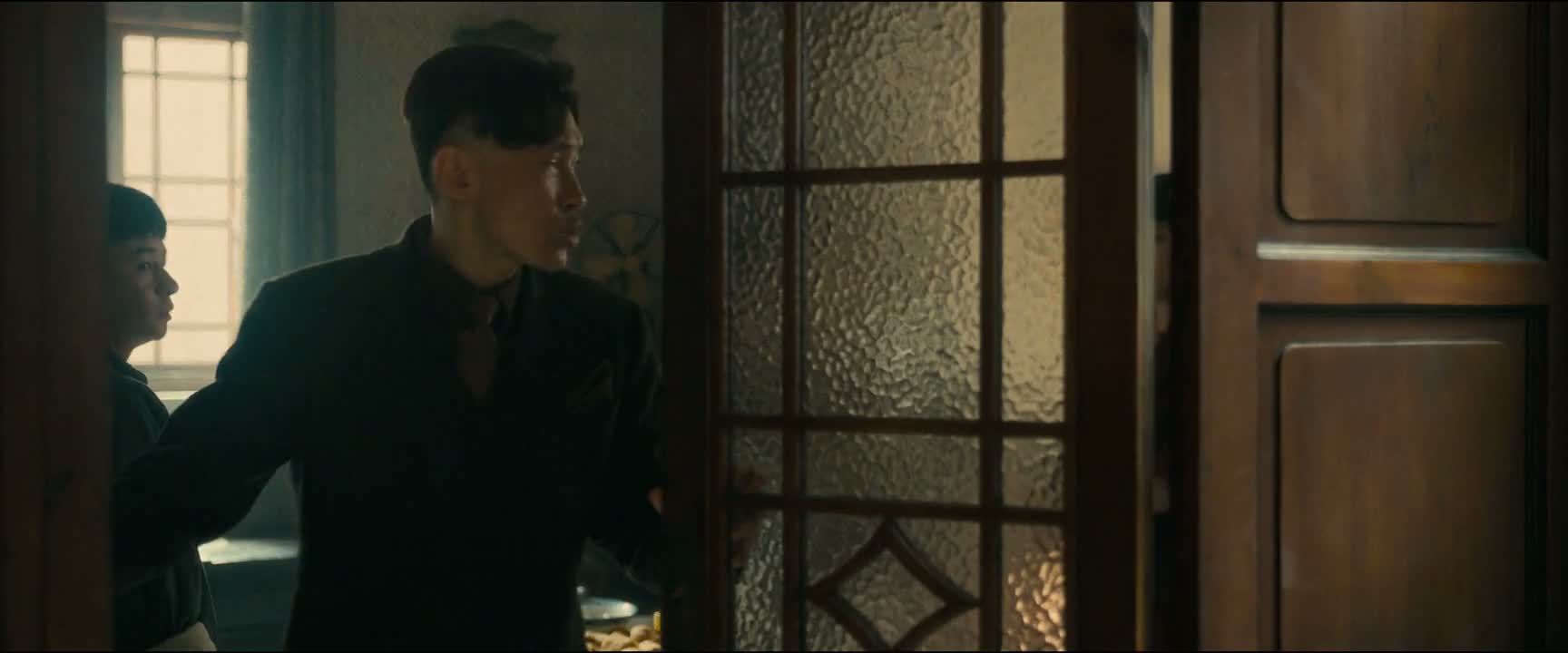
“The way you talk, why is it so harsh?”

“How can you speak like that?”

“Officer, I'm sorry. Can I have a word with you?”

“How can you talk like that?”

“Why is it that only you speak with such an affected tone?”

“How could you speak like that? Who taught you to speak like that?”

“Watch your mouth. Keep your voice down.”