你这小同志 怎么说话这样啊
“How can you talk like that?”
THE DIALOGUE REEL
“Then, may I ask where we can wait? Wherever you like.”
你这 小同志 怎么说话 这样啊
“How can you talk like that?”
我怎么说话了
“What's wrong?”
“Watch your attitude—you have no right to speak to me so disrespectfully.”
Calling a young public servant '小同志' invokes age and institutional hierarchy to demand better attitude and basic public service civility.
LEARNING CHUNKS & PARTICLES
young comrade / young fellow
Commonly used by older individuals or senior officials in mainland China to address younger workers, carrying a condescending or patronizing edge.
why do you speak in such a manner
A direct rhetorical rebuke used to challenge someone's rude or inappropriate tone.
Adds emotional intensity and dissatisfaction to the rhetorical question.
VOCABULARY & EXPRESSIONS
Parallel Spoken Cinema Scenes (语义近邻切片)
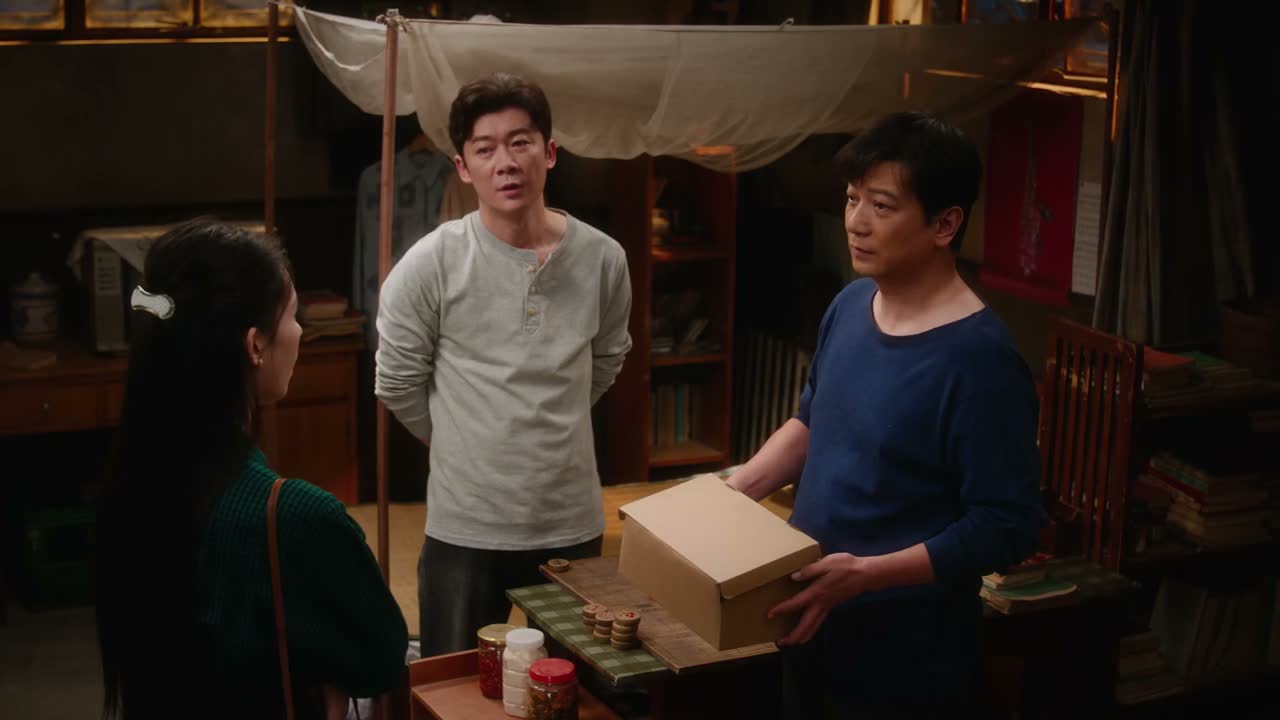
“Why are you talking like that?”

“Why are you so hostile?”
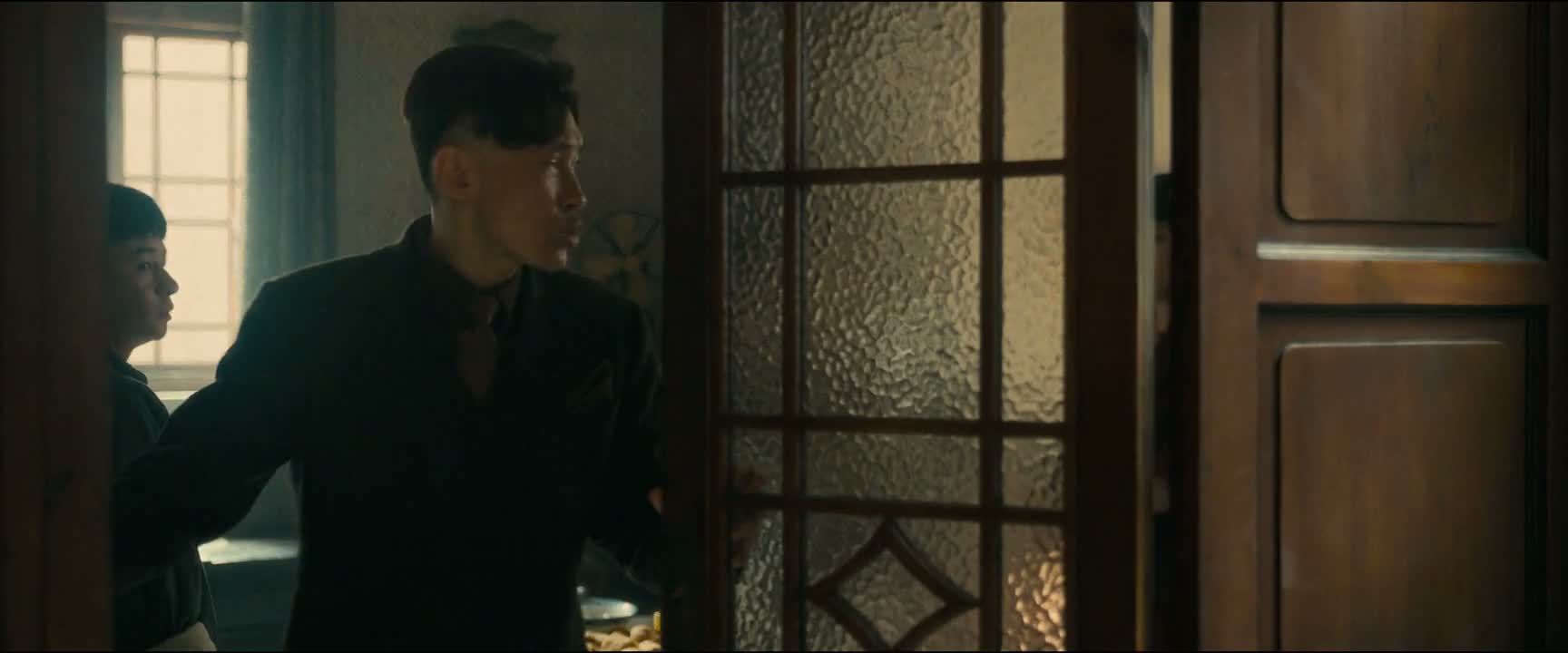
“The way you talk, why is it so harsh?”

“How can you speak like that?”

“Officer, how could you talk to me like that?”

“How could you say that to me?”

“Wait, what do you mean?”

“You're really smooth with words.”

“How could you speak like that? Who taught you to speak like that?”