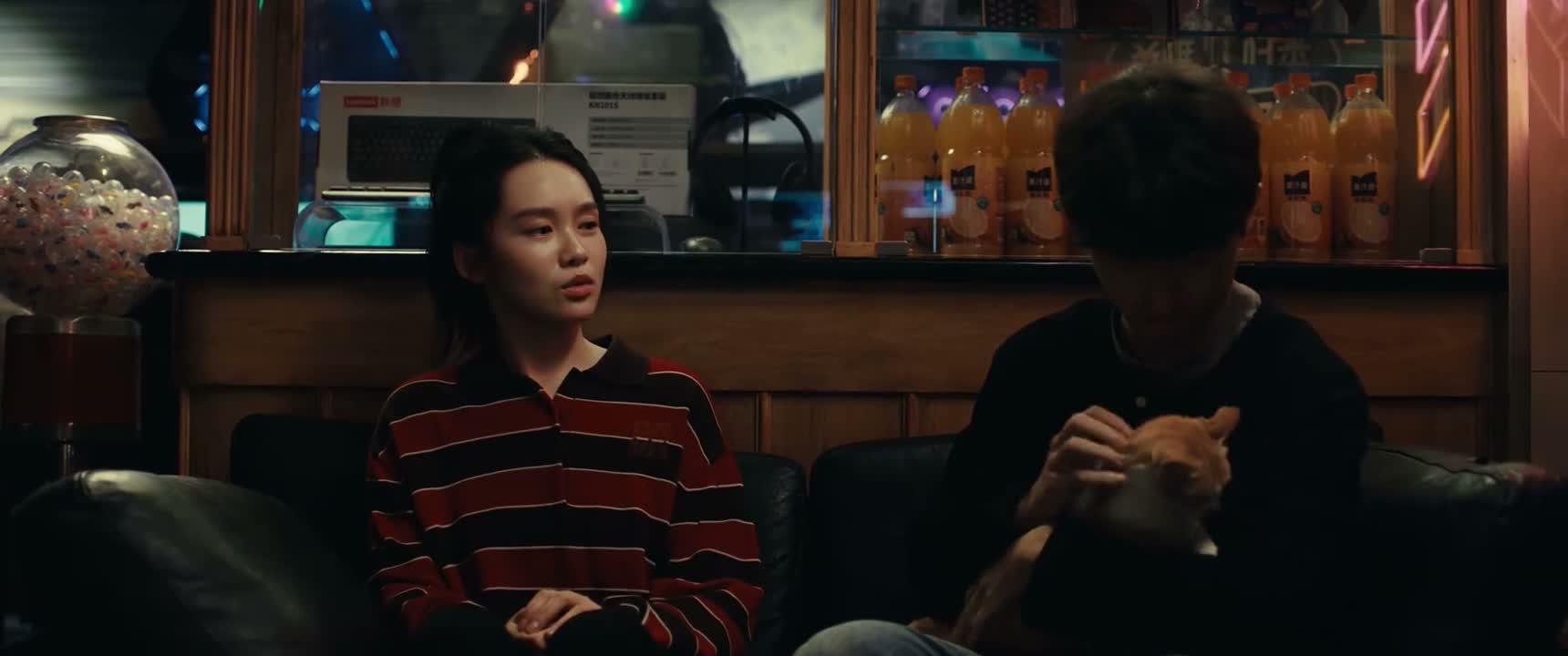
《Light to the Night》 S1·E13 (27:14)
HSK 3
jiǎng shén me le ? gēn wǒ zhuāng hú tú shì bú shì ?
讲什么了? 跟我装糊涂 是不是?
“I… What did he just say? Stop playing dumb.”
《Light to the Night》
S1·E13
TIMECODE: 27:14
·
1080P MASTER AUDIO
THE DIALOGUE REEL
[-1] PREVIOUS TURN
wǒ shī xiōng tā
我师兄他
“I… What did he just say?”
jiǎng shén me le ? gēn wǒ zhuāng hú tú shì bú shì ?
CURRENT FOCUS
讲什么了 ? 跟我 装糊涂 是不是 ?
“I… What did he just say? Stop playing dumb.”
[+1] FOLLOW-UP TURN
tā nà shì mà nǐ ne tā shuō nǐ bāo bì qú dà hǎi
他那是骂你呢 他说你包庇瞿大海
“He was scolding you. He said you were biased towards Qu Dahai.”
Subtitles synced to millisecond timecode
Browse Show Clips →
Scene:
Crisis & Conflict
Function:
PRESSING FOR TRUTH
Tone:
AGGRESSIVE
Emotion:
SUSPICION
WHAT THEY REALLY MEAN (PRAGMATIC SUBTEXT)
“Cut the innocent act; you know exactly what he said.”
💡 Cultural Insight: Zhuang Hu Tu (Strategic Ignorance)
Playing dumb ('装糊涂') is a common interpersonal tactic in Chinese culture to avoid conflict or protect others, but calling it out directly signifies a breakdown in polite diplomatic pretenses.
INTENT TAGS:
#calling_out
#interrogation
#demanding_truth
#confrontation
🧩
2 CHUNKS · 0 PARTICLES
LEARNING CHUNKS & PARTICLES
装糊涂
SPOKEN CHUNK
to play dumb / to feign ignorance
Highly colloquial idiom used when someone deliberately acts confused or oblivious to escape blame or responsibility.
讲什么了
SPOKEN CHUNK
What was said?
Used as an abrupt, demanding prompt to extract specifics when someone hesitates or beats around the bush.
🏮
3 EXPR · 1 GRAMMAR
VOCABULARY & EXPRESSIONS
COLLOQUIAL EXPRESSIONS:
GRAMMAR BLUEPRINTS:
CROSS-CINEMA CORPUS BOARD · PARALLEL SCENES
EXPLORE BY SEMANTIC SIMILARITY
Parallel Spoken Cinema Scenes (语义近邻切片)

《Light to the Night》 S1·E13 (27:14) · Authentic Cinema Dialogue Corpus