MC
MandarinClips Cinema Corpus
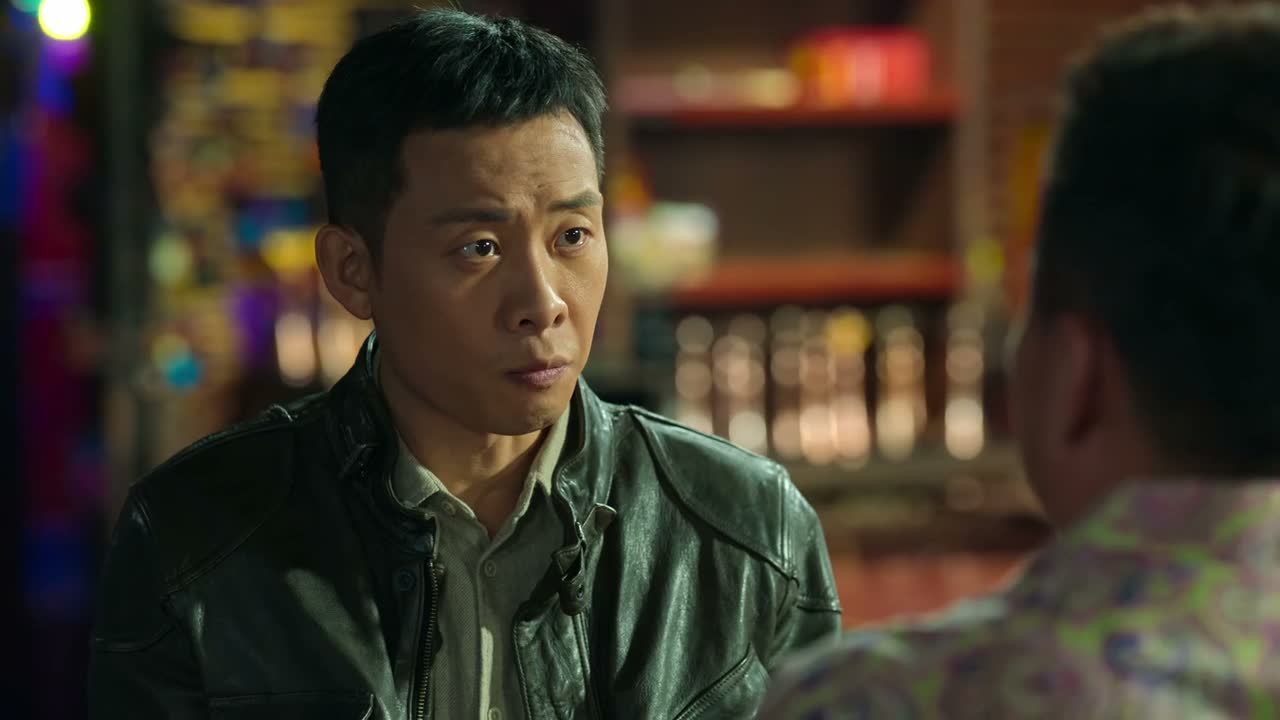
《The Dream Maker》 S1·E18 (26:57) HSK 2
hái dǎ ma zěn me zhe shàng cì méi dǎ fú a

还打吗 怎么着 上次没打服啊

“Want to fight? What? Didn't learn your lesson?”

《The Dream Maker》 S1·E18
TIMECODE: 26:57 · 1080P MASTER AUDIO

THE DIALOGUE REEL

1+1+1 SPOKEN CONTINUITY
[-1] PREVIOUS TURN yáng xiǎo hǎi

杨小海

“Yang Xiaohai.”

hái dǎ ma zěn me zhe shàng cì méi dǎ fú a CURRENT FOCUS

还打吗 怎么着 上次 没打服 啊

“Want to fight? What? Didn't learn your lesson?”

[+1] FOLLOW-UP TURN shǎo fèi huà xíng

少废话 行

“Cut the crap! Fine.”

Subtitles synced to millisecond timecode Browse Show Clips →
Scene: Crisis & Conflict
Function: TAUNTING
Tone: PROVOCATIVE
Emotion: CONTEMPT
WHAT THEY REALLY MEAN (PRAGMATIC SUBTEXT)
“You already lost to me before; do you really want another beating?”
💡 Cultural Insight: Asserting Dominance in Street Disputes

In casual Chinese confrontations, verbally demanding whether an opponent is '服' (submissive/yielding) is a standard psychological tactic to break their resolve without necessarily throwing the first punch.

INTENT TAGS: #taunting #intimidation #provocation #dominance
🧩

LEARNING CHUNKS & PARTICLES

2 CHUNKS · 2 PARTICLES
打服 SPOKEN CHUNK

beat someone into submission or surrender

A common resultative verb compound combining 'hit' and 'yield', used in confrontations to describe complete subjugation.

怎么着 SPOKEN CHUNK

what's up; what are you gonna do about it

A challenging Northern Mandarin colloquial phrase used aggressively to invite or dare an opponent to react.

Modal Particle「吗」 (ma) CHANGE OF STATE

Frames the opening probe as an inquiry that serves as an aggressive taunt.

Modal Particle「啊」 (a) CHANGE OF STATE

Conveys rhetorical disbelief and assertive mockery regarding the opponent's resilience.
🏮

VOCABULARY & EXPRESSIONS

3 EXPR · 1 GRAMMAR
CROSS-CINEMA CORPUS BOARD · PARALLEL SCENES

Parallel Spoken Cinema Scenes (语义近邻切片)

EXPLORE BY SEMANTIC SIMILARITY
《The Dream Maker》 S1·E18 (26:57) · Authentic Cinema Dialogue Corpus