他会不会报警啊
“will he call the police?”
THE DIALOGUE REEL
哥
“Brother,”
他 会不会 报警 啊
“will he call the police?”
报警
“Call the police?”
Direct spoken expression in this communicative setting.
In marginal or extralegal activities, involving the police represents an irreversible escalation and the ultimate threat of exposure for all parties.
LEARNING CHUNKS & PARTICLES
is it possible that / will (someone) ...
A primary spoken pattern for inquiring about probability or expressing tentative worry.
report to the police; call the cops
Standard high-frequency term used whenever law enforcement involvement is suspected or needed.
Softens the question while highlighting genuine underlying insecurity and emotional vulnerability.
VOCABULARY & EXPRESSIONS
Parallel Spoken Cinema Scenes (语义近邻切片)

“So you did it? Why didn't you call the police?”

“I wanted to call the police,”
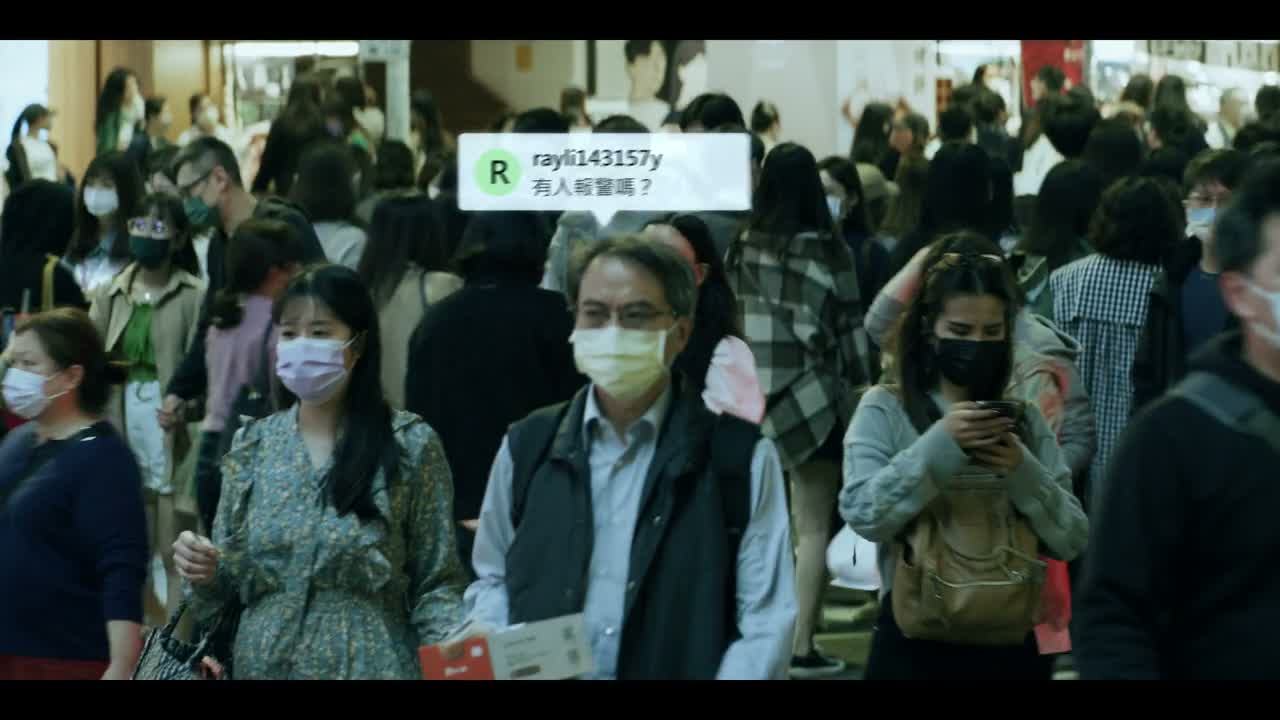
“- [netizen 11] Did anyone call the police? - [netizen 12] He's a cop himself.”
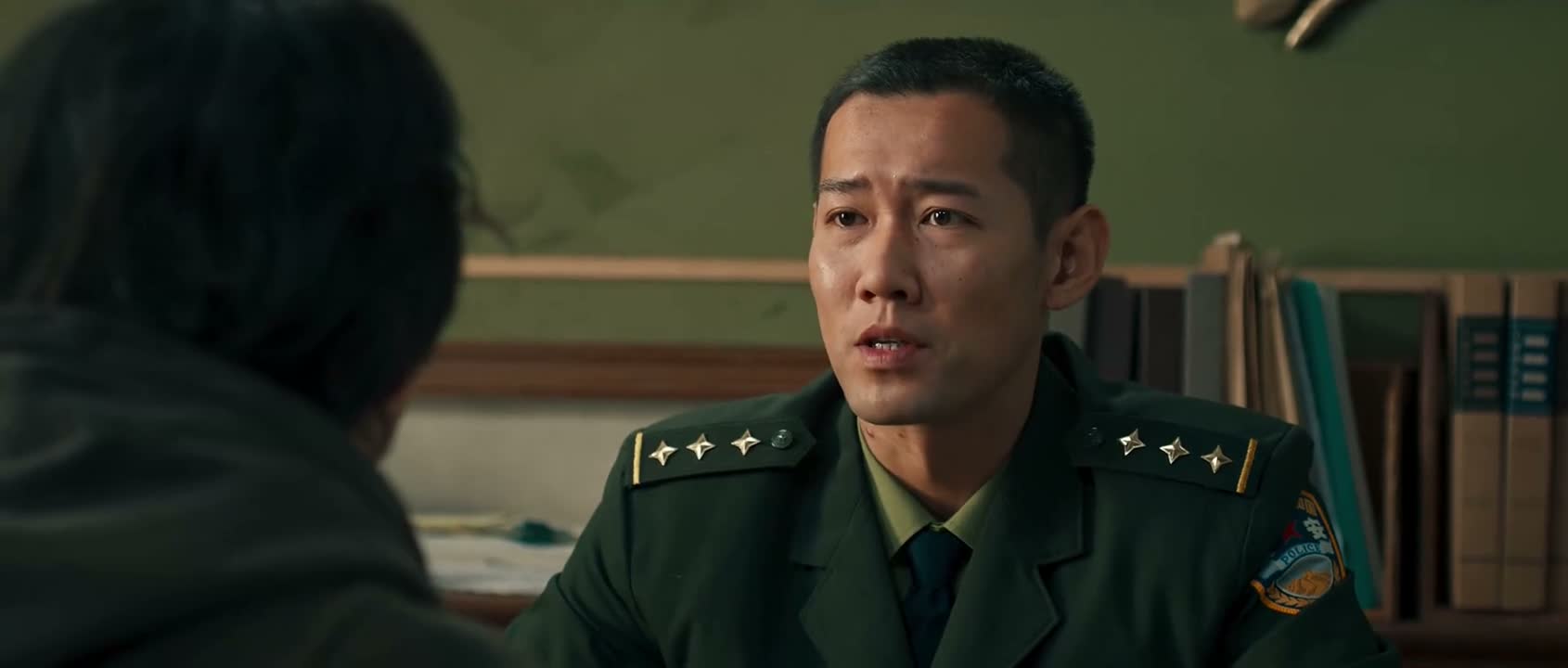
“Weren't you reporting something?”

“I won't call the police.”

“Why would you mention the police report?”