说你提那报警干什么
“Why would you mention the police report?”
THE DIALOGUE REEL
你看你
“Look at you.”
说你 提 那 报警干什么
“Why would you mention the police report?”
“At most, she'd get a few days in detention.”
“You made a mess of things by threatening to call the cops!”
In traditional Chinese conflict resolution, bringing in formal authorities like the police is often seen as an unnecessary escalation that destroys harmony and flexibility.
LEARNING CHUNKS & PARTICLES
why; what for
Commonly placed at the end of a clause in spoken Chinese to express mild irritation or question the necessity of an action.
bring up calling the police
Used informally to refer to mentioning or threatening police involvement.
VOCABULARY & EXPRESSIONS
Parallel Spoken Cinema Scenes (语义近邻切片)

“Look at you. Why would you mention the police report?”

“Why are you always jumping to call the police?”
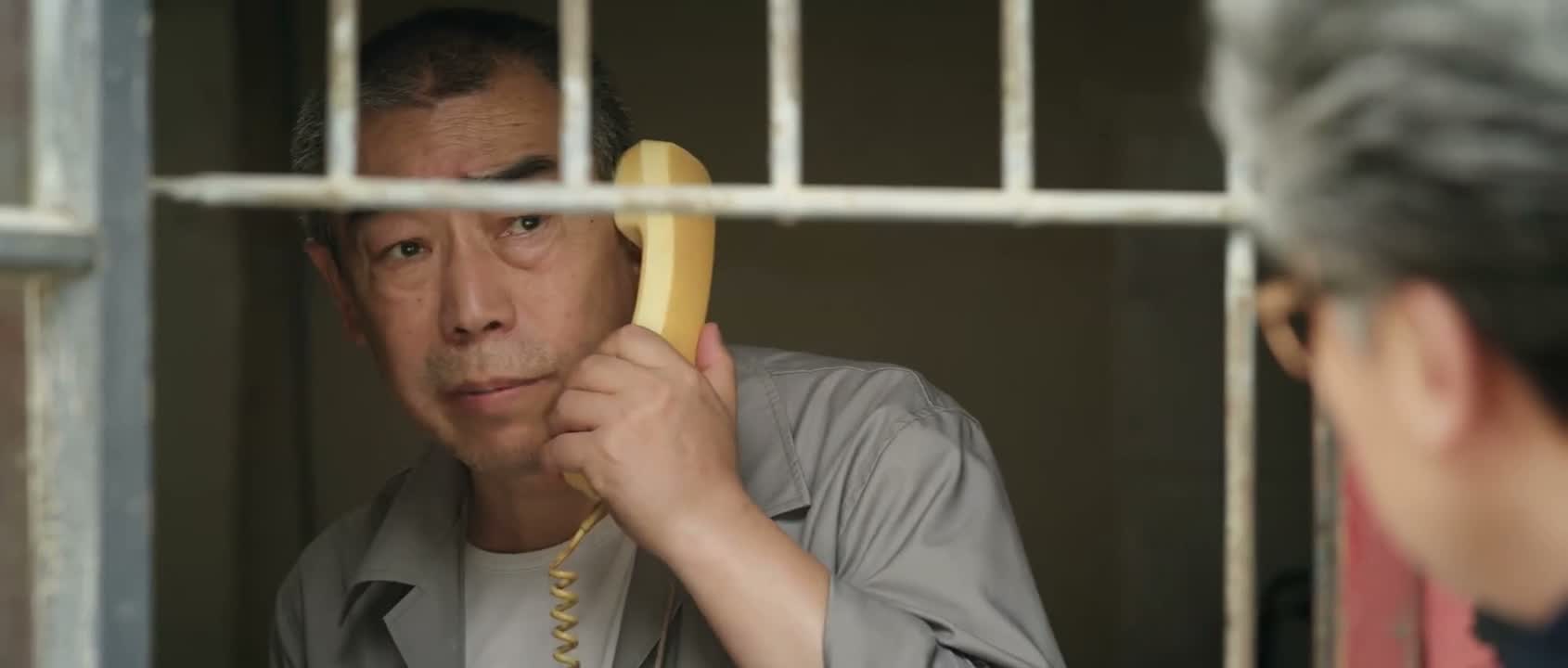
“Calling the police. Why call the police? Hang up!”
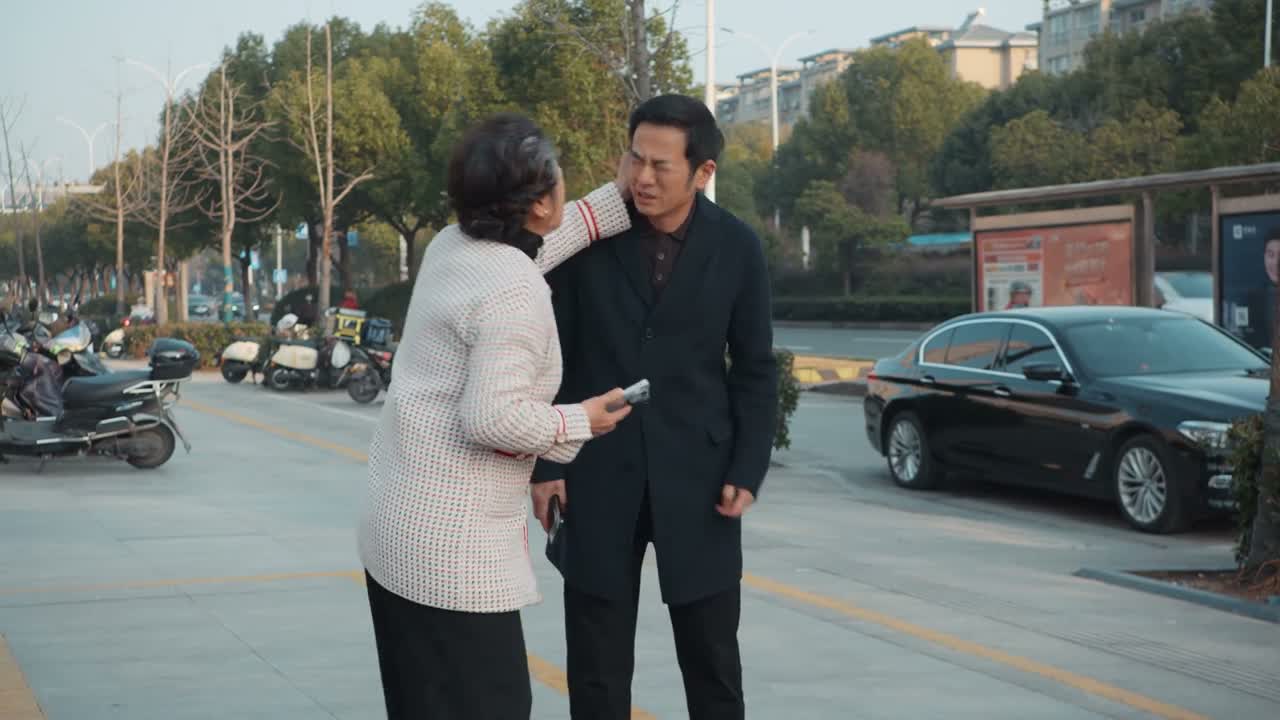
“What did she say? Look at you. Call the police.”

“What are you doing? Call the police! What police?”