那谁说的嘛 热烈欢迎着呢嘛
“Who said that? You're more than welcome here.”
THE DIALOGUE REEL
不欢迎我嘛
“I'm not welcome here.”
那谁 说的 嘛 热烈欢迎着呢 嘛
“Who said that? You're more than welcome here.”
我有自知之明
“I know where I stand.”
“Don't overthink it, of course we are glad to have you here.”
Chinese social etiquette requires hosts to energetically dispel any self-deprecation or feeling of intrusion expressed by a guest.
LEARNING CHUNKS & PARTICLES
who said that?
A rhetorical denial used immediately to dismiss an awkward or untrue assumption.
warmly welcome
A formal set phrase often used humorously or emphatically in casual spoken conversation.
Used to convey that something is self-evident or to insist that the counterpart should not worry.
Combined with '着' to emphasize ongoing, genuine hospitality.
VOCABULARY & EXPRESSIONS
Parallel Spoken Cinema Scenes (语义近邻切片)

“Who told you that? It's all over the internet.”

“What do you mean? What I said. Say that again... That's enough.”
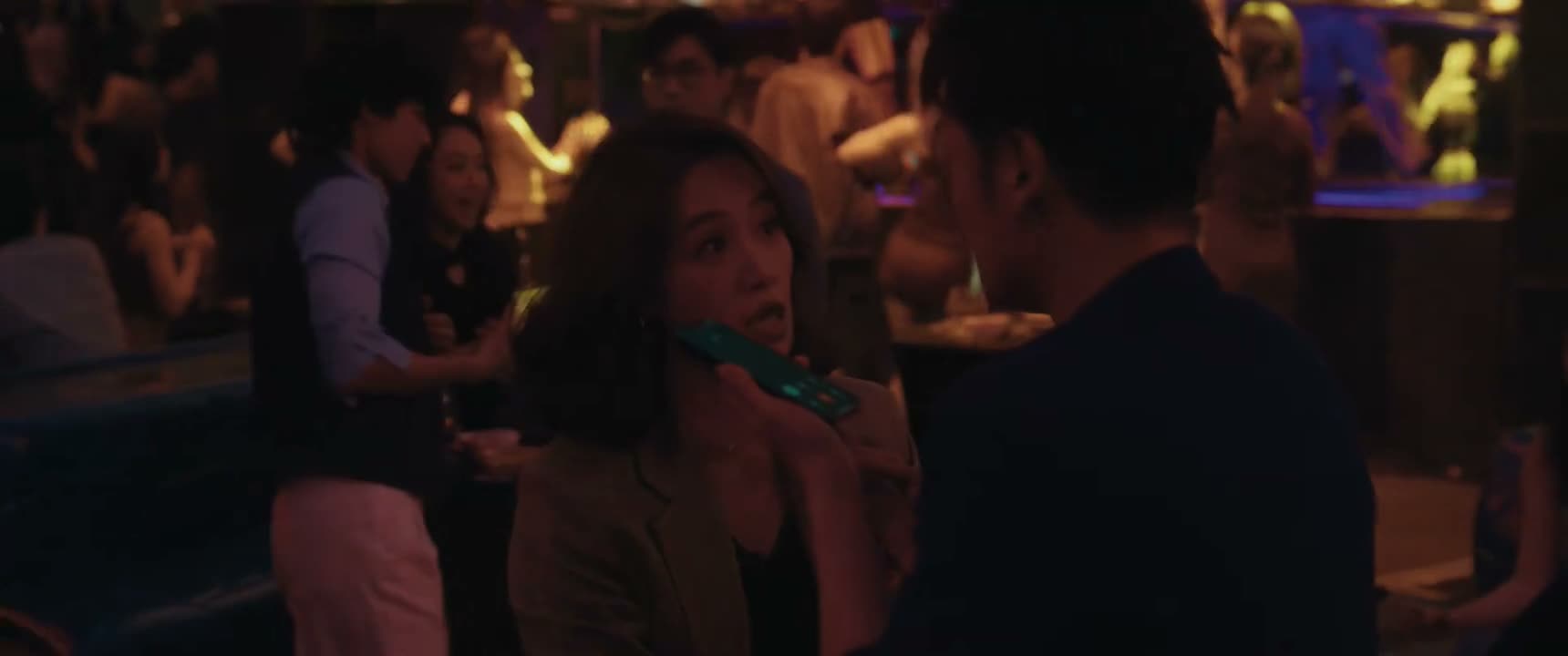
“Someone else? Who?”
“Hey, look who's here.”

“Tell me. Who has it?”

“Who says so? I do.”