MC
MandarinClips Cinema Corpus
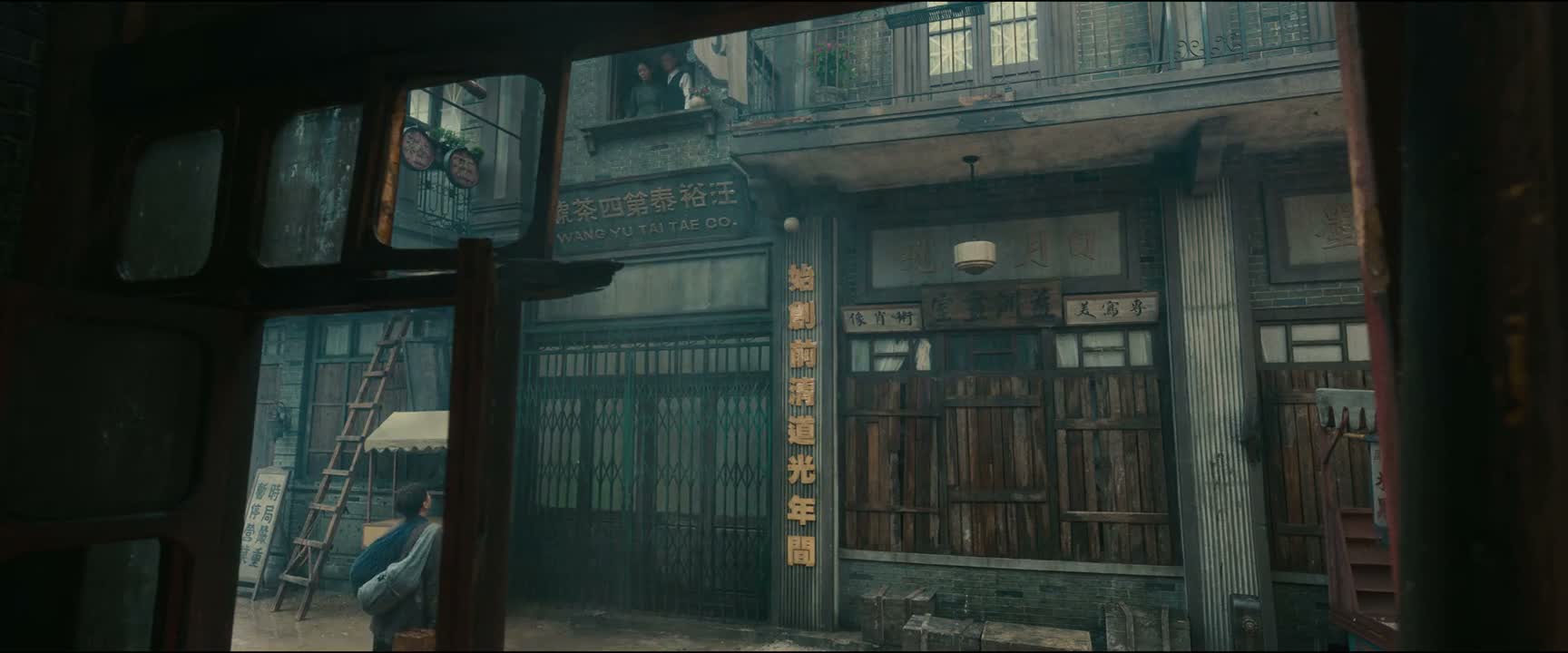
《Echoes of a Thousand Moons》 S1·E9 (37:57) HSK 3
dà jiě dà jiě nǐ xíng xíng hǎo fàng wǒ men jìn qù hǎo ma

大姐 大姐 你行行好 放我们进去好吗

“Ma'am. Ma'am, please, can you let us in?”

《Echoes of a Thousand Moons》 S1·E9
TIMECODE: 37:57 · 1080P MASTER AUDIO

THE DIALOGUE REEL

1+1+1 SPOKEN CONTINUITY
[-1] PREVIOUS TURN dà gē dà gē bié zǒu dà gē

大哥 大哥 别走 大哥

“Sir, sir, don't go. Sir.”

dà jiě dà jiě nǐ xíng xíng hǎo fàng wǒ men jìn qù hǎo ma CURRENT FOCUS

大姐 大姐 你 行行好 放我们进去 好吗

“Ma'am. Ma'am, please, can you let us in?”

[+1] FOLLOW-UP TURN dà

大

“Ma-”

Subtitles synced to millisecond timecode Browse Show Clips →
Scene: Crisis & Conflict
Function: BEGGING FOR HELP
Tone: PLEADING
Emotion: ANXIETY
WHAT THEY REALLY MEAN (PRAGMATIC SUBTEXT)

Direct spoken expression in this communicative setting.

💡 Cultural Insight: Appealing to Renqing (Human Sympathy)

When facing strict rules or closed doors, Chinese speakers frequently appeal to benevolence (行好) and use kinship terms (大姐) to soften rigid boundaries and solicit exceptional sympathy.

INTENT TAGS: #pleading #begging #petitioning #urgency
🧩

LEARNING CHUNKS & PARTICLES

3 CHUNKS · 1 PARTICLES
大姐 SPOKEN CHUNK

ma'am; older sister

A respectful, friendly kinship term used to address an unfamiliar middle-aged woman to build quick rapport.

行行好 SPOKEN CHUNK

do a good deed; have mercy; do a kindness

A strong plea asking someone for mercy, pity, or an exceptional favor when in distress.

放我们进去 SPOKEN CHUNK

let us go in; let us enter

A direct request directed at a gatekeeper or guard to grant passage.

Modal Particle「吗」 (ma) CHANGE OF STATE

Forms a tag question softening the plea and seeking immediate consent.
🏮

VOCABULARY & EXPRESSIONS

4 EXPR · 0 GRAMMAR
CROSS-CINEMA CORPUS BOARD · PARALLEL SCENES

Parallel Spoken Cinema Scenes (语义近邻切片)

EXPLORE BY SEMANTIC SIMILARITY
《Echoes of a Thousand Moons》 S1·E9 (37:57) · Authentic Cinema Dialogue Corpus