MC
MandarinClips Cinema Corpus
《Go Ahead》 S1·E11 (23:41) HSK 5
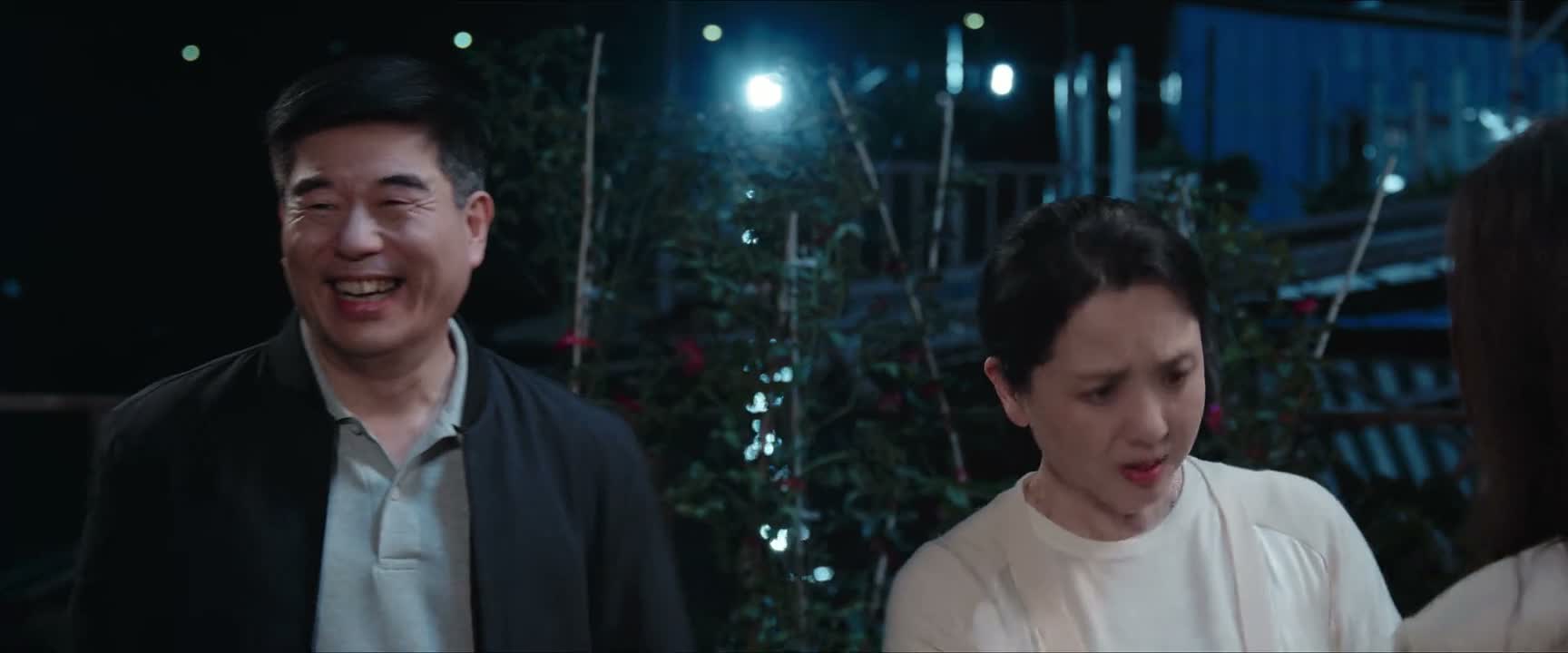
nǐ men liǎ zěn me dōu shòu le ya

你们俩怎么都瘦了呀

“Why are you both losing weight?”

《Go Ahead》 S1·E11
TIMECODE: 23:41 · 1080P MASTER AUDIO

THE DIALOGUE REEL

1+1+1 SPOKEN CONTINUITY
[-1] PREVIOUS TURN guò guò nián hǎo guò nián hǎo a méi shì méi shì kàn jiàn jiù hǎo

过 过年好过年好啊 没事没事 看见就好

“Happy, Happy New Year. It's okay. It's good to see you.”

nǐ men liǎ zěn me dōu shòu le ya CURRENT FOCUS

你们俩 怎么 都 瘦了 呀

“Why are you both losing weight?”

[+1] FOLLOW-UP TURN duō chī diǎn ròu chī ròu zhǎng ròu

“Eat more meat.”

Subtitles synced to millisecond timecode Browse Show Clips →
Scene: Family & Home
Function: AFFECTIONATE CONCERN
Tone: WARM
Emotion: CARING
WHAT THEY REALLY MEAN (PRAGMATIC SUBTEXT)

Direct spoken expression in this communicative setting.

💡 Cultural Insight: Weight Loss as a Sign of Hardship

In Chinese culture, especially among elders, noticing that young people have gotten thinner is not viewed as a compliment but as evidence that they are overworking and not eating well, triggering nurturing behavior.

INTENT TAGS: #care #concern #affection #greeting
🧩

LEARNING CHUNKS & PARTICLES

2 CHUNKS · 1 PARTICLES
怎么都 SPOKEN CHUNK

how come (all of you); why has everyone

A natural spoken phrase used to express mild surprise upon noticing a shared state among multiple people.

瘦了 SPOKEN CHUNK

to have gotten thinner; to have lost weight

Frequently said by older Chinese relatives as a sign of affectionate concern rather than a cosmetic compliment.

Modal Particle「呀」 (ya) CHANGE OF STATE

Softens the question and adds an affectionate, tender tone of motherly or familial care.
🏮

VOCABULARY & EXPRESSIONS

2 EXPR · 0 GRAMMAR
COLLOQUIAL EXPRESSIONS:
CROSS-CINEMA CORPUS BOARD · PARALLEL SCENES

Parallel Spoken Cinema Scenes (语义近邻切片)

EXPLORE BY SEMANTIC SIMILARITY
《Go Ahead》 S1·E11 (23:41) · Authentic Cinema Dialogue Corpus