MC
MandarinClips Cinema Corpus
《Live up to Your Youth》 S1·E30 (16:09) HSK 4
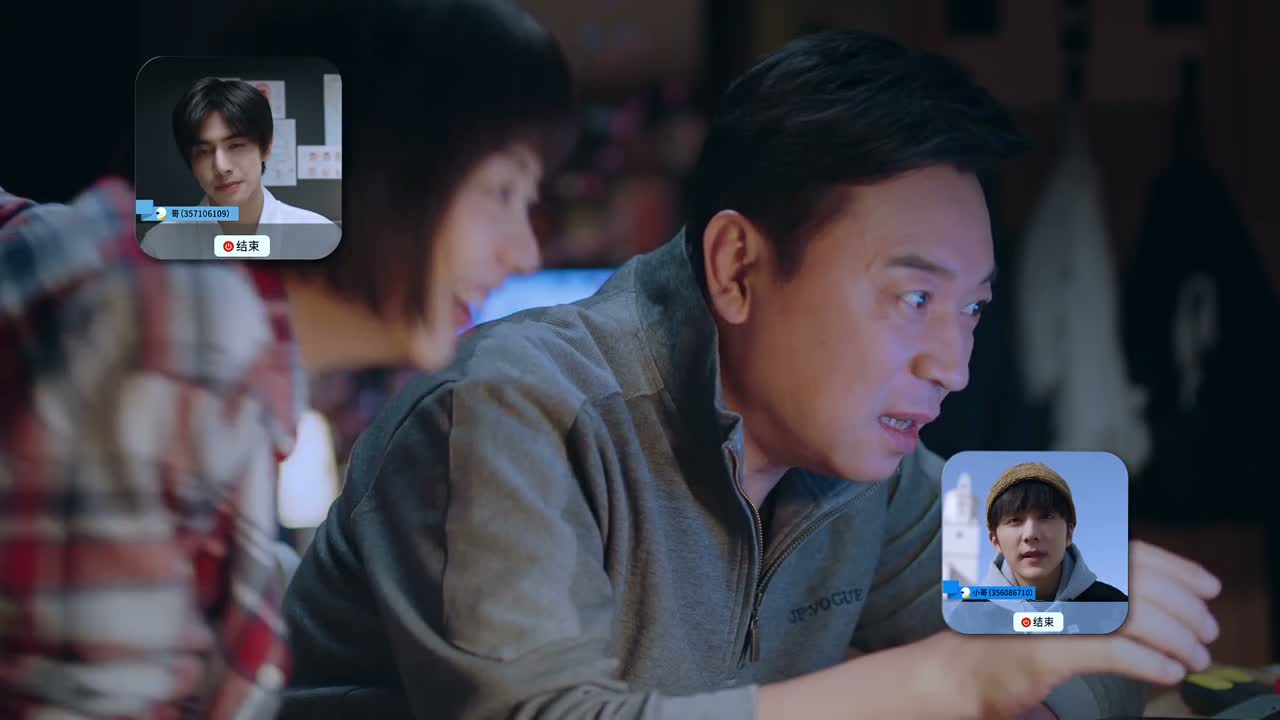
wǒ zǎ kàn nǐ men liǎ dōu shòu le ne

我咋看你们俩都瘦了呢

“I noticed you both look a bit thinner.”

《Live up to Your Youth》 S1·E30
TIMECODE: 16:09 · 1080P MASTER AUDIO

THE DIALOGUE REEL

1+1+1 SPOKEN CONTINUITY
[-1] PREVIOUS TURN zhè huí huí lái

这回回来

“when you two came back this time,”

wǒ zǎ kàn nǐ men liǎ dōu shòu le ne CURRENT FOCUS

我咋 看你 们俩 都瘦了 呢

“I noticed you both look a bit thinner.”

[+1] FOLLOW-UP TURN shì zài běi jīng méi hǎo hǎo chī fàn

“Did you not eat well in Beijing?”

Subtitles synced to millisecond timecode Browse Show Clips →
Scene: Family & Home
Function: EXPRESSING CONCERN
Tone: CARING
Emotion: CONCERN
WHAT THEY REALLY MEAN (PRAGMATIC SUBTEXT)
“You look exhausted and underfed; have you been taking care of yourselves at all?”
💡 Cultural Insight: Weight Loss as a Sign of Hardship (瘦了代表受苦)

Unlike Western body-image standards where weight loss is often praised, Chinese elders view weight loss in young people returning from big cities as evidence of hardship and poor nourishment.

INTENT TAGS: #concern #care #family_warmth #inquiry
🧩

LEARNING CHUNKS & PARTICLES

2 CHUNKS · 1 PARTICLES
我咋看……呢 SPOKEN CHUNK

why does it seem to me that...

Colloquial Northern Mandarin pattern used to express observation mixed with mild surprise or inquiry.

都瘦了 SPOKEN CHUNK

both/all lost weight

In traditional Chinese culture, telling someone they lost weight upon returning home is an expression of care rather than a compliment.

Modal Particle「呢」 (ne) CHANGE OF STATE

Softens the rhetorical query and highlights the speaker's mild bewilderment or reflective concern.
🏮

VOCABULARY & EXPRESSIONS

2 EXPR · 1 GRAMMAR
COLLOQUIAL EXPRESSIONS:
GRAMMAR BLUEPRINTS:
CROSS-CINEMA CORPUS BOARD · PARALLEL SCENES

Parallel Spoken Cinema Scenes (语义近邻切片)

EXPLORE BY SEMANTIC SIMILARITY
《Live up to Your Youth》 S1·E30 (16:09) · Authentic Cinema Dialogue Corpus