实际上你不欠任何人 我欠我妈的
“The fact is you don't owe anyone anything. I owe my mom a lot.”
THE DIALOGUE REEL
自私
“or selfish.”
实际上 你 不欠任何人 我 欠我 妈的
“The fact is you don't owe anyone anything. I owe my mom a lot.”
我爸的意外
“My dad's accident...”
“Stop beating yourself up; the only real debt that matters here is the one I can never repay to my mother.”
In Chinese culture, owing family members—especially mothers—carries enormous emotional and ethical weight that can overshadow all other relational conflicts.
LEARNING CHUNKS & PARTICLES
in fact / actually / as a matter of fact
Used to introduce an objective clarification or contrast with what was previously perceived.
owe anyone (an emotional or financial debt)
Frequently used figuratively in Chinese to talk about moral or relational obligations rather than just money.
Serves as an assertive nominalizing marker at the end of the clause, emphasizing the absolute finality of owing their mother.
VOCABULARY & EXPRESSIONS
Parallel Spoken Cinema Scenes (语义近邻切片)

“at least, I won't owe your sister anything.”

“You're the one who owes me!”
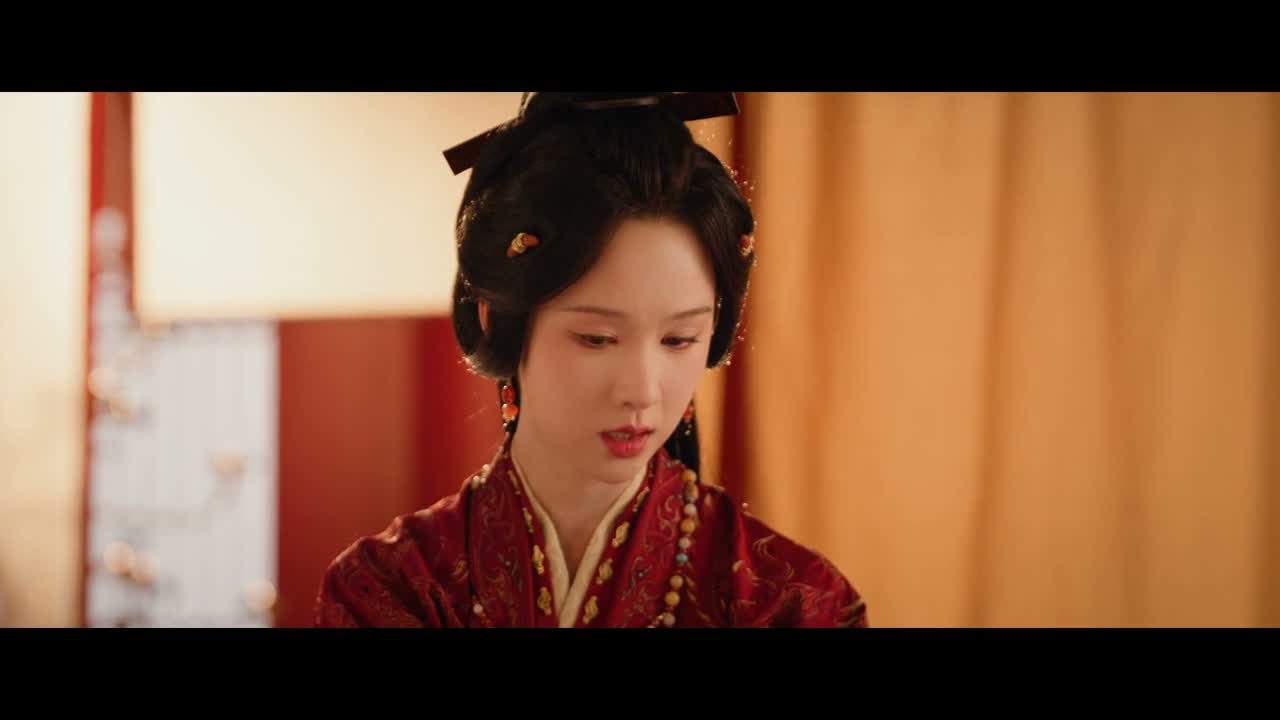
“I owe you.”

“You don't owe her anything anymore.”
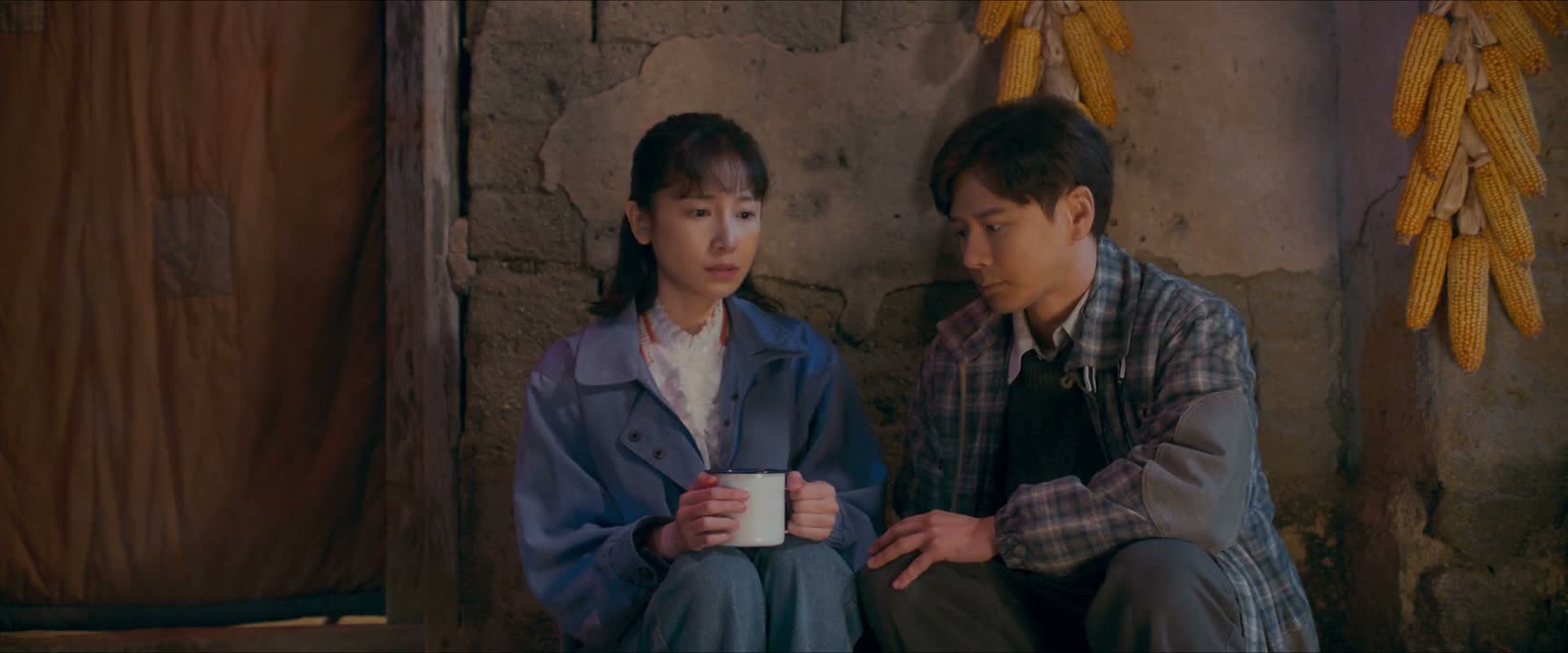
“From now on, you don't owe her anything.”

“Didn't I owe you a favor? Consider it repaid.”