看到我给你画的画没
“See the painting I made for you?”
THE DIALOGUE REEL
“Yes, sir. Come. Need to talk to you about something.”
看到 我 给你 画的画没
“See the painting I made for you?”
你最喜欢的伦勃朗的风格
“It's in your favorite Rembrandt style.”
“Look at what I made for you before we talk about serious business.”
Subordinates or close colleagues often bring up personal favors or shared artistic interests to soften the mood before entering private discussions.
LEARNING CHUNKS & PARTICLES
the painting/drawing that was made
A common verb-object nominalization where the first character is the verb 'to draw' and the second is the noun 'picture'.
did you see...
A classic affirmative-negative question pattern in northern colloquial Mandarin, equivalent to '看到了没有'.
Functions as a sentence-final interrogative particle in spoken Chinese to form a polar question.
VOCABULARY & EXPRESSIONS
Parallel Spoken Cinema Scenes (语义近邻切片)

“I know which one is yours.”

“I saw you looking at the drawing.”
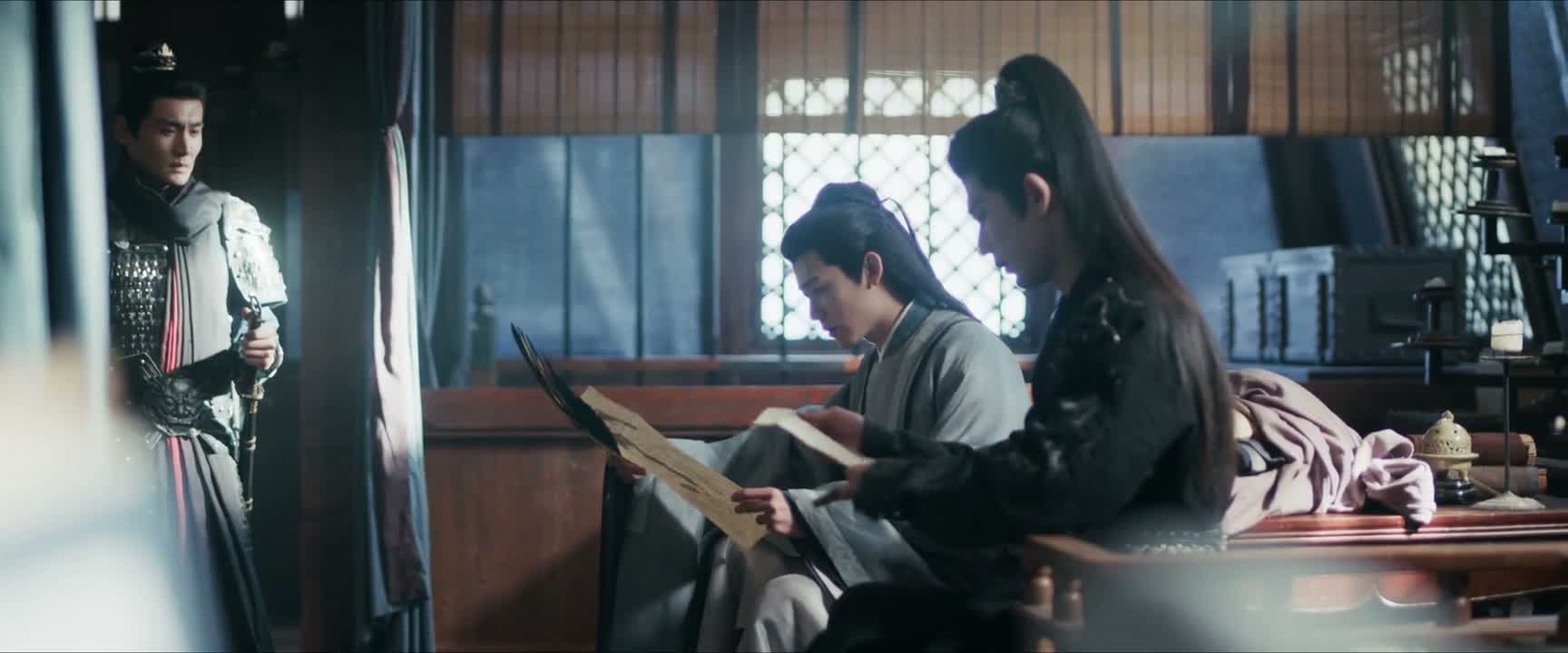
“Didn't I paint this?”

“Can you draw another one in front of me?”
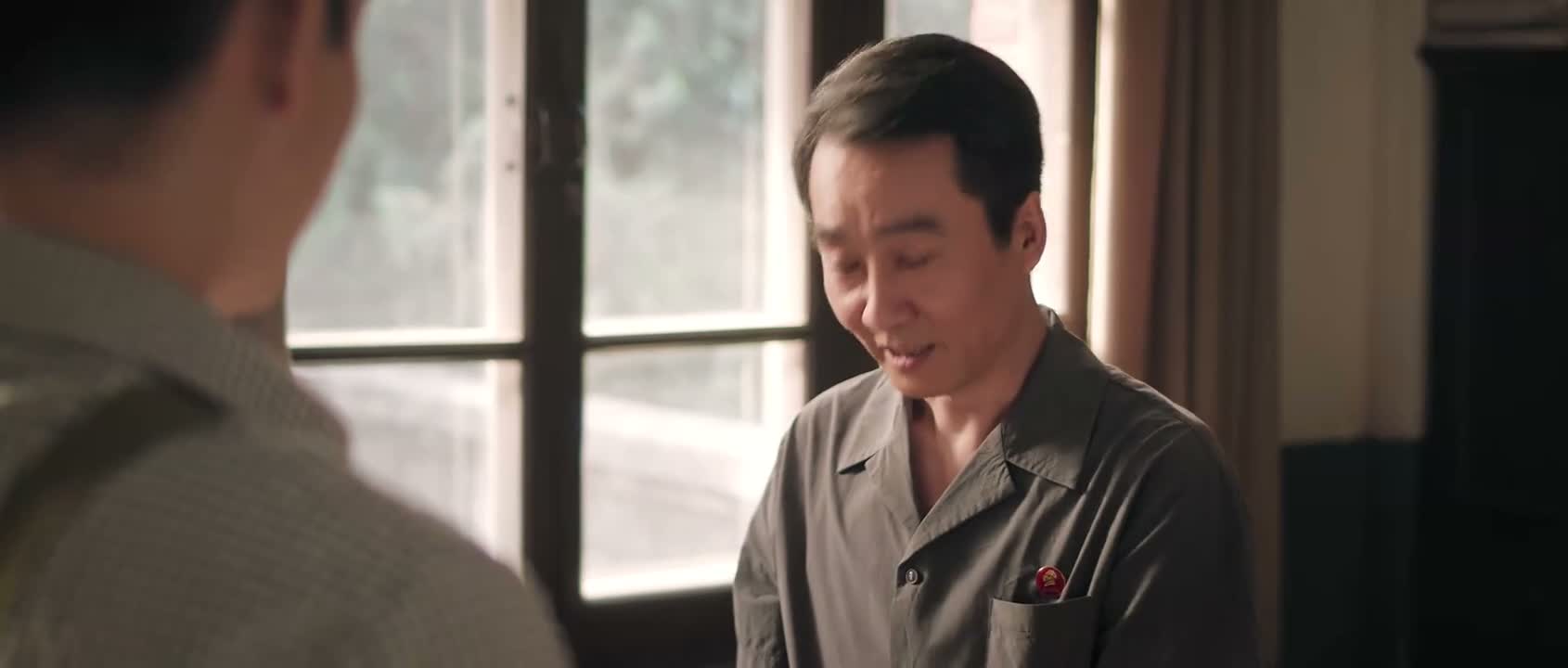
“I saw your painting. They're good.”

“I almost made a mistake in my drawing just now.”