我不敢说 怕你们嫌我
“I was afraid you'd look down on me.”
THE DIALOGUE REEL
“I didn't dare tell you. I didn't mean to deceive you.”
我不敢 说 怕你们嫌我
“I was afraid you'd look down on me.”
我要知道你们早就知道了 我早说了
“Had I known you knew it, I would've said it sooner.”
“Please don't think less of me or abandon me because of this.”
The verb '嫌' carries deep social connotations of being considered inadequate, inferior, or burdensome, highlighting acute sensitivity to peer and familial evaluation.
LEARNING CHUNKS & PARTICLES
too afraid to say / hesitate to mention
Use this to explain self-censorship stemming from anxiety or shame.
look down on me / dislike me / find fault with me
A highly colloquial northern phrase used to describe fear of social or familial rejection.
VOCABULARY & EXPRESSIONS
Parallel Spoken Cinema Scenes (语义近邻切片)

“I won't dare anymore. I will never act on my own again.”

“You lot might not dare. Now that's an insult.”

“or that you dare not say?”

“You dare say it, but you won't let everyone hear it?”
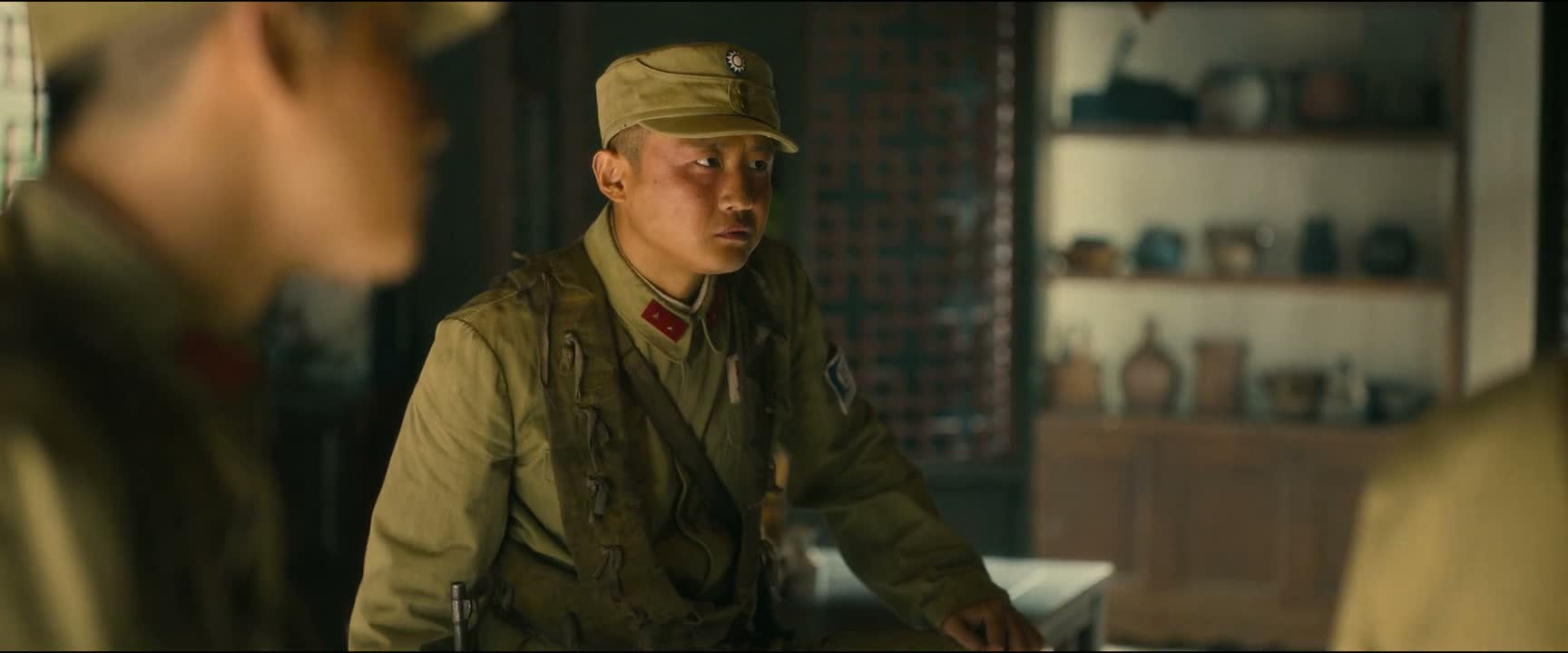
“I wouldn't dare lie.”

“what is there left to hide?”