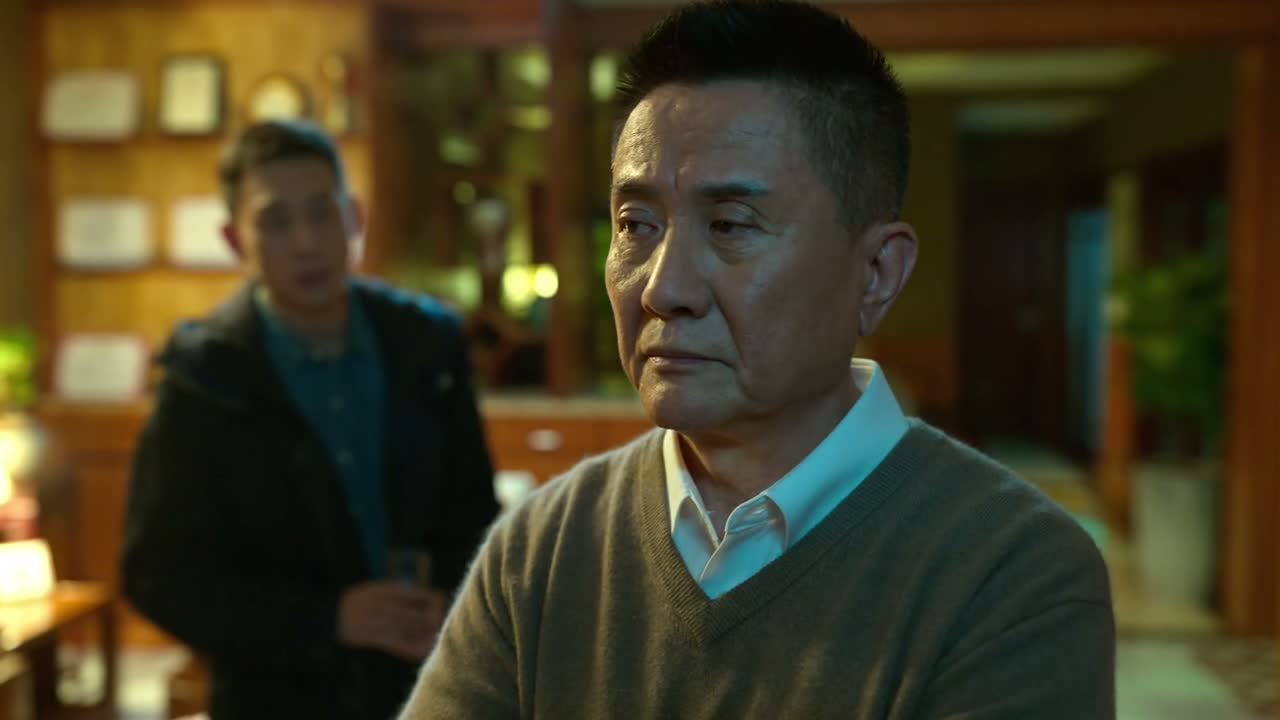
我总不能让你一直体谅我吧
“I can't always expect you to understand me.”
THE DIALOGUE REEL
不是你的错
“It's not your fault.”
我 总不能 让你一直 体谅我 吧
“I can't always expect you to understand me.”
是我不适合庆州
“I'm not suited for Qingzhou.”
“You have sacrificed too much for me, and I can no longer bear the guilt of holding you back.”
In Chinese interpersonal ethics, mutual 'tiliang' is essential, but one-sided forbearance creates an unbearable moral debt of guilt for the recipient.
LEARNING CHUNKS & PARTICLES
cannot possibly; surely one cannot
Rhetorical construction appealing to reason, expressing that an ongoing situation is untenable.
to empathize with and make allowances for someone
A key interpersonal verb denoting thoughtful forbearance toward another's difficulties.
Invites agreement on a rhetorical statement, emphasizing the speaker's inner conviction that this situation cannot continue.
VOCABULARY & EXPRESSIONS
Parallel Spoken Cinema Scenes (语义近邻切片)

“Please understand my position.”

“I know I've been tiring you out.”

“Because I don't want you to stay in the dark any longer.”

“"This isn't about my wife." "I want you to know that I see you."”
“You could understand us the best.”

“I wasn't there for you all the time.”