我是谁呀
“Who am I?”
THE DIALOGUE REEL
我是谁呀
“Who am I?”
抓他
“Catch him.”
“How dare you call me that! Do you have any idea what you are saying?”
Using self-referential rhetorical questions like 'Who am I?' is a common way in spoken Chinese to reject an outrageous label and demand respect.
LEARNING CHUNKS & PARTICLES
Who do you think I am?!
A rhetorical question often used when feeling insulted, challenged, or wrongfully accused.
Softens the phonetics but heightens the rhetorical urgency and indignant tone of the question.
VOCABULARY & EXPRESSIONS
Parallel Spoken Cinema Scenes (语义近邻切片)

“You know me. Growing up, I've always been lucky. I'm perfectly fine, aren't I?”

“Who are you? I don't know you.”

“Do you know who I am?”
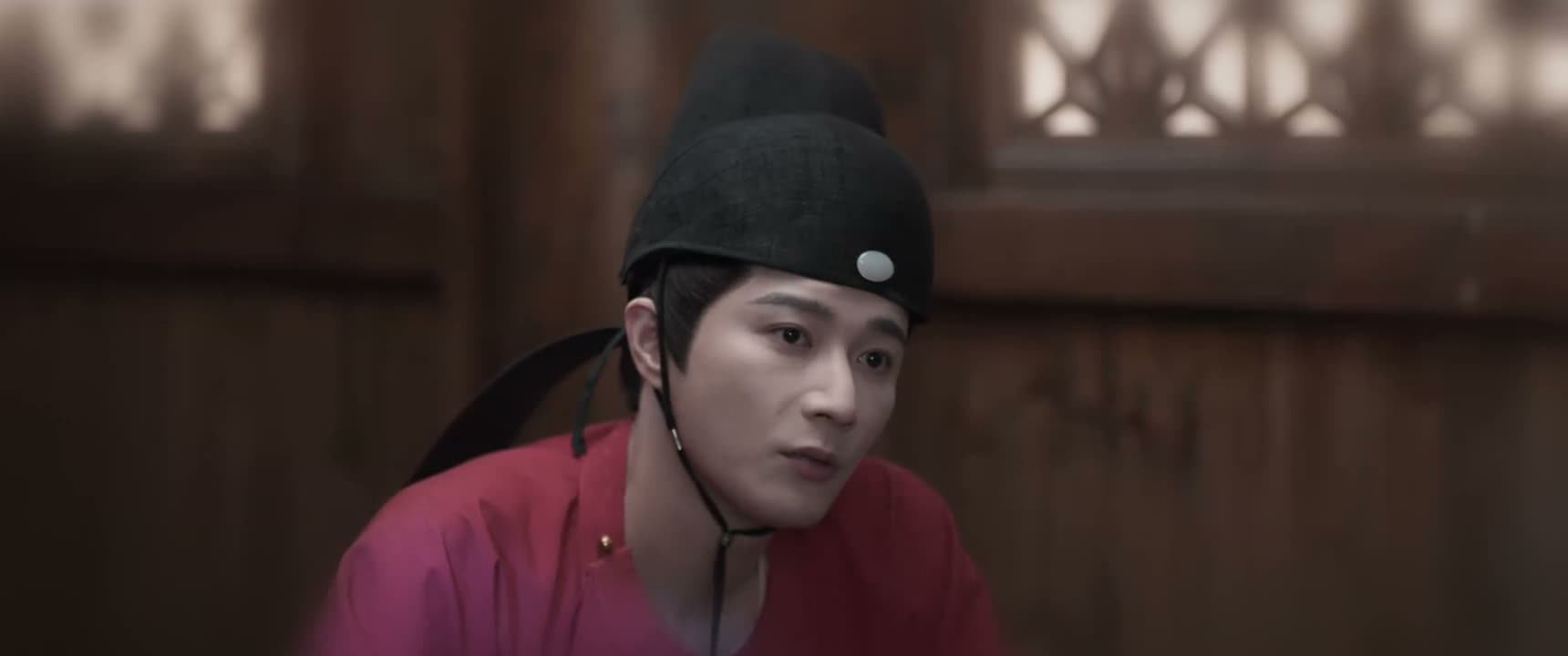
“Don't you know who I am?”

“-Who are you? -Who are you?”

“Now I know who I am.”