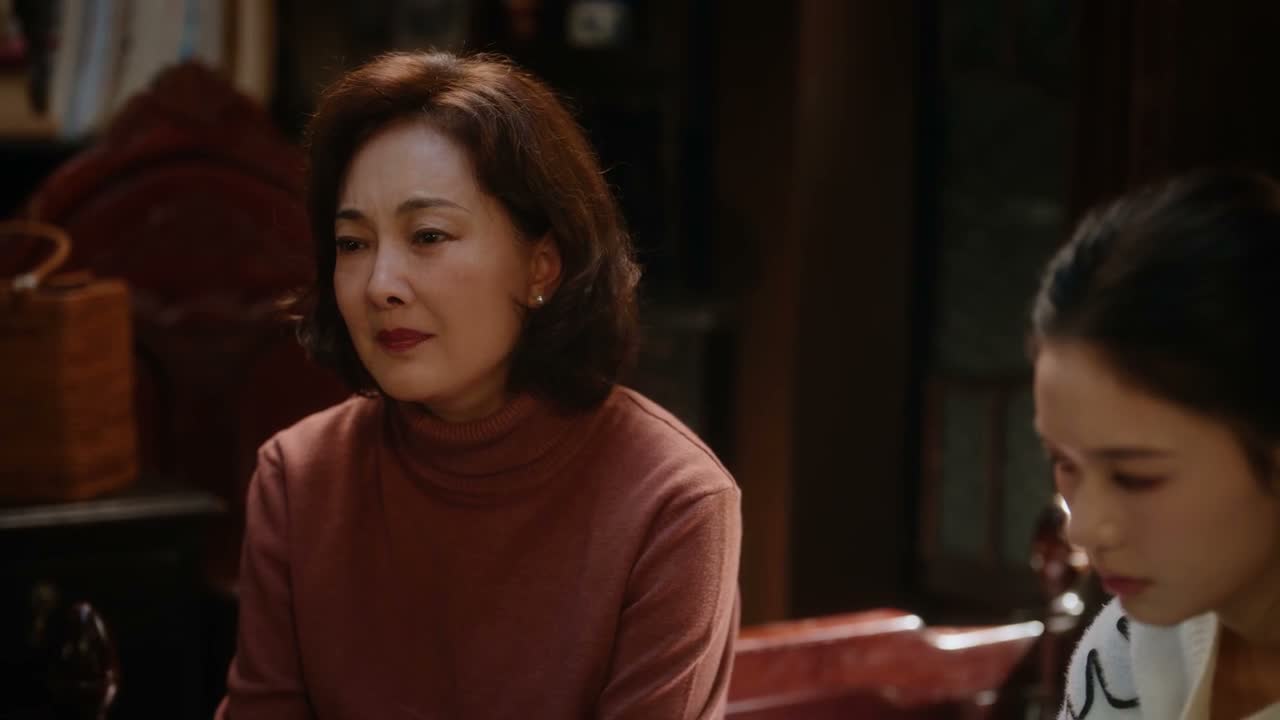
你生我下来 养过我一天吗
“Have you ever raised me, even for a single day?”
THE DIALOGUE REEL
哪个不要钱
“and staff costs.”
你 生我下来 养过 我一天吗
“Have you ever raised me, even for a single day?”
“Since you're here, pay the money for me. Then we'll be even.”
“You abandoned me, so you have no right to demand anything from me.”
Traditional Chinese ethics heavily emphasize filial piety simply for the gift of life ('sheng en'), but modern discourse strongly prioritizes parental nurturing ('yang en'). Challenging an elder on neglect breaks conventional filial taboos to justify severance.
LEARNING CHUNKS & PARTICLES
gave birth to me
Refers strictly to biological childbirth, often paired in contrast with raising or nurturing (yang).
did you raise me for even a single day?
A potent rhetorical question expressing grievance against an absentee caregiver or parent.
Turns the sentence into an aggressive rhetorical question expecting a negative answer.
VOCABULARY & EXPRESSIONS
Parallel Spoken Cinema Scenes (语义近邻切片)

“Go ahead. Be mad. Order for yourself when you're done.”

“Isn't this the place that raised me?”

“[Lucheng] you have a good daughter.”
“I gave birth to such a beautiful daughter,”

“thank you for giving me life and raising me.”

“He is my child.”