这是我生的呀
“He is my child.”
THE DIALOGUE REEL
这 是我 生的呀
“He is my child.”
不哭了
“Stop crying.”
“How can you expect me not to care? This child came from my own body!”
In Chinese culture, giving birth to a child establishes an absolute emotional and moral responsibility that overrides rational detachment.
LEARNING CHUNKS & PARTICLES
is born of me / my own flesh and blood
Commonly used by mothers to assert an unbreakable emotional or legal claim over their child.
Softens the assertion while adding an emotional, pleading emphasis.
VOCABULARY & EXPRESSIONS
Parallel Spoken Cinema Scenes (语义近邻切片)

“[Lucheng] you have a good daughter.”
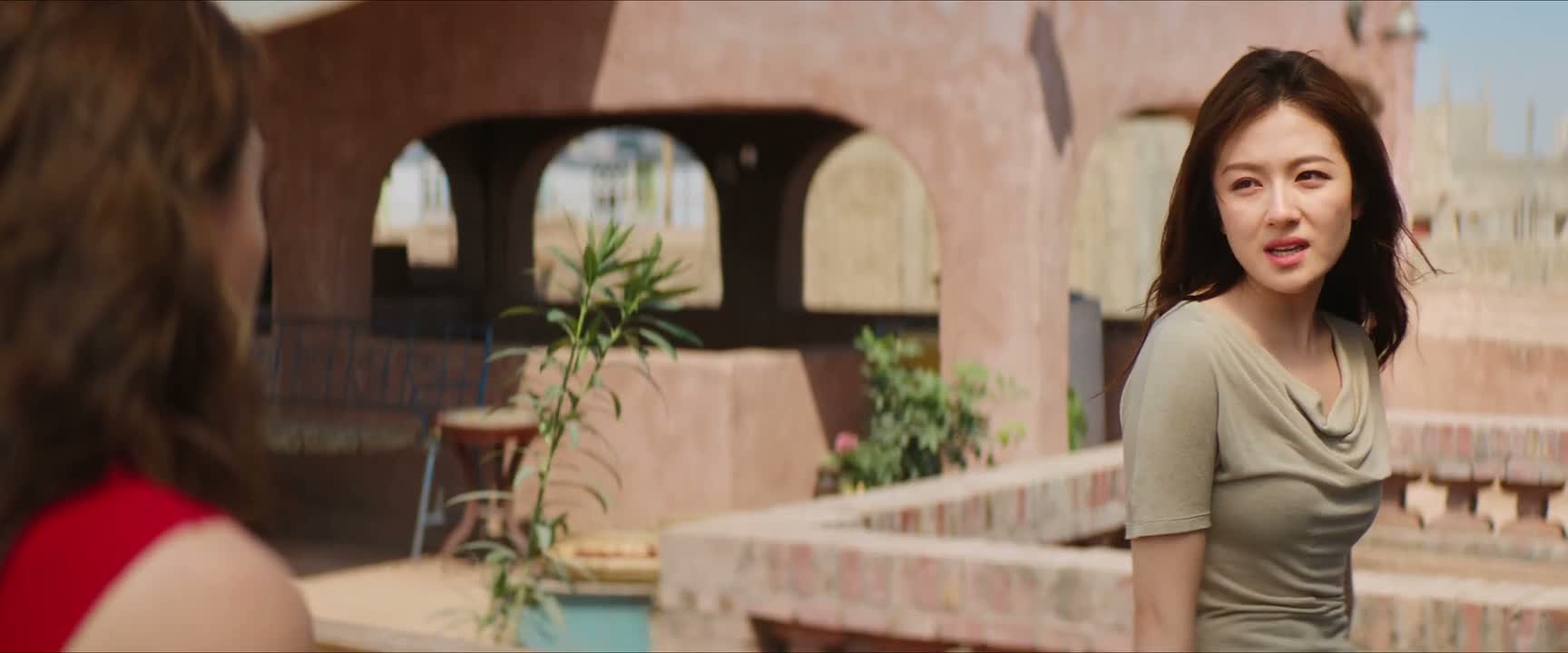
“Wasn't I born here too?”
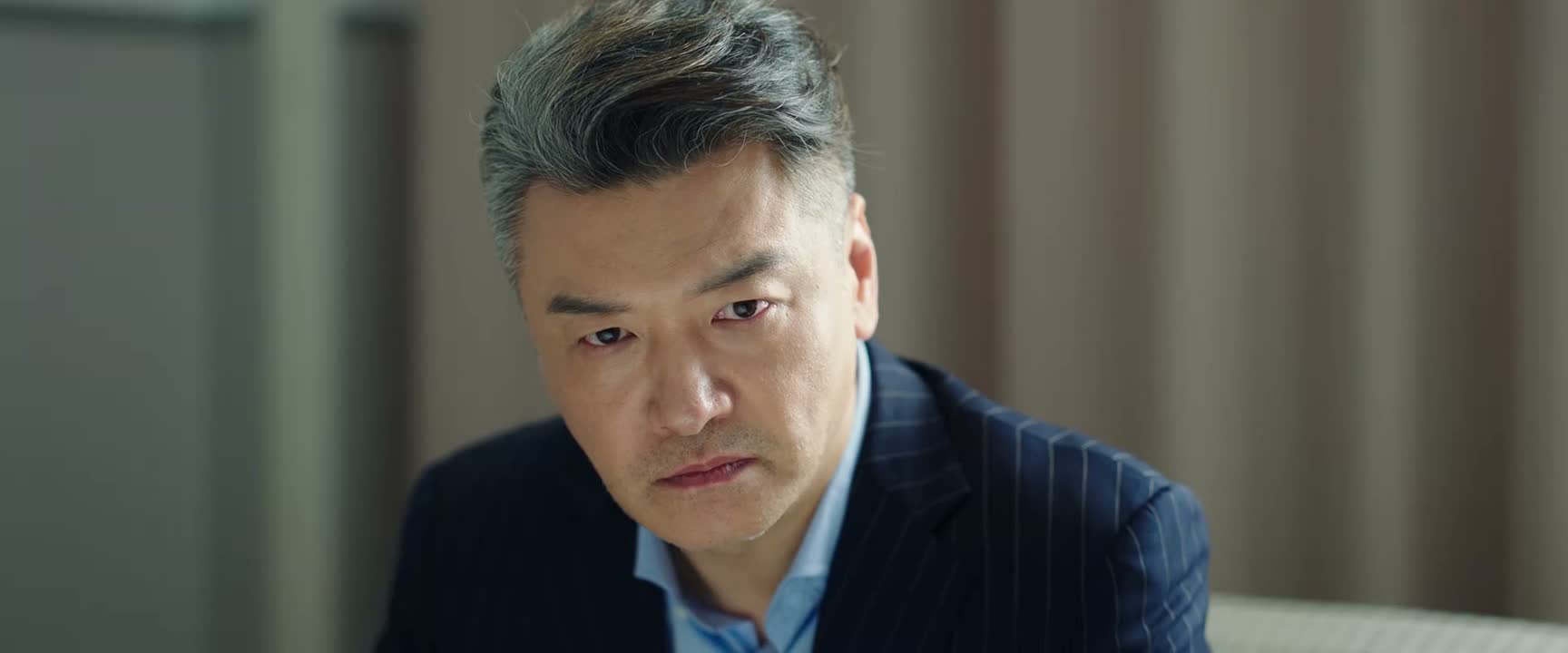
“But after this illness,”

“she suffered terribly in childbirth.”
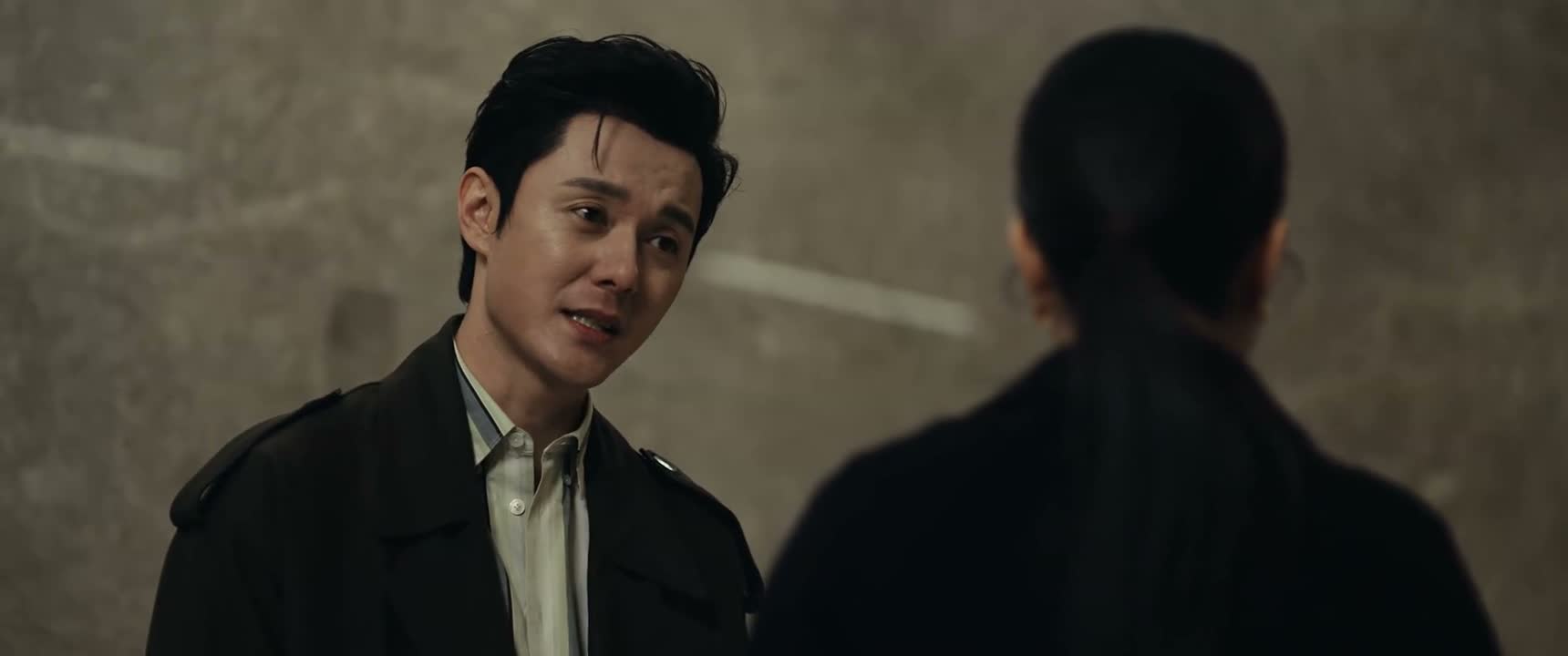
“Once the babies are born, I'll take good care of all of you.”

“How did I give birth to someone like you?”