你爸还说 让你有空回家吃饭呢
“Your dad said you should come back for dinner when you have time.”
THE DIALOGUE REEL
谁说的
“Says who?”
你爸 还说 让你 有空回家吃饭 呢
“Your dad said you should come back for dinner when you have time.”
我妈呢
“What about my mom?”
“Your dad misses you and wants to see you, even if he feels awkward saying it directly.”
Chinese parents frequently use eating together as a non-confrontational way to bridge distance, express affection, or resolve unspoken friction.
LEARNING CHUNKS & PARTICLES
when free; to have spare time
A common conversational hedge used before invitations to make requests sound low-pressure.
go home for a meal
A quintessential Chinese expression symbolizing family reunion and emotional care.
Softens the relayed message and adds an encouraging, reminder-like tone.
VOCABULARY & EXPRESSIONS
Parallel Spoken Cinema Scenes (语义近邻切片)
“Explain to your dad when he comes home!”

“Come back home for lunch with me.”

“You heard what your father said during the meal.”
“What could your dad possibly find?”
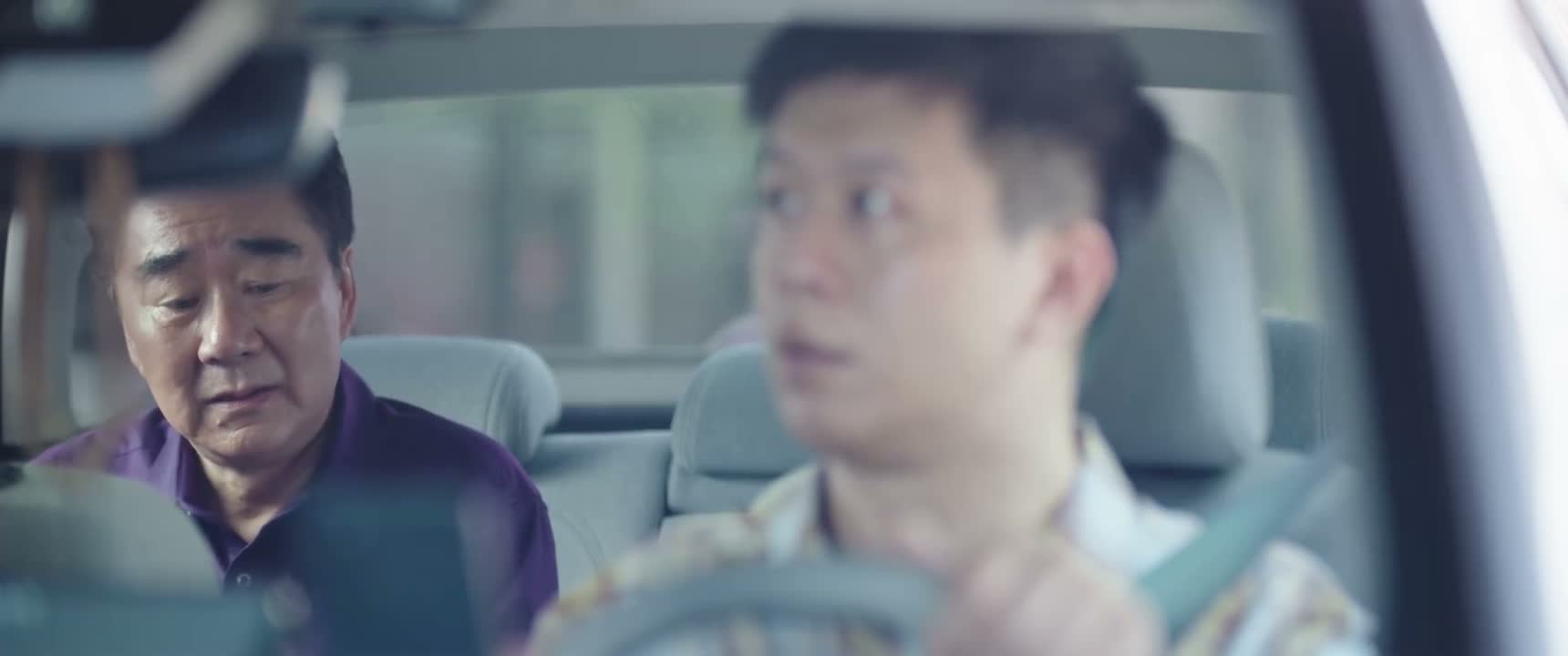
“How is your dad doing?”

“Looks like your dad really wants you to go home.”